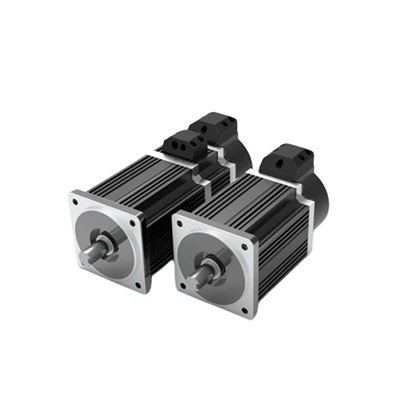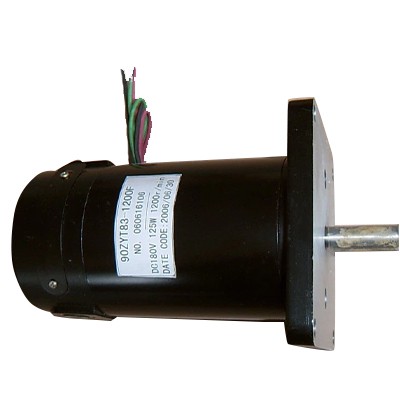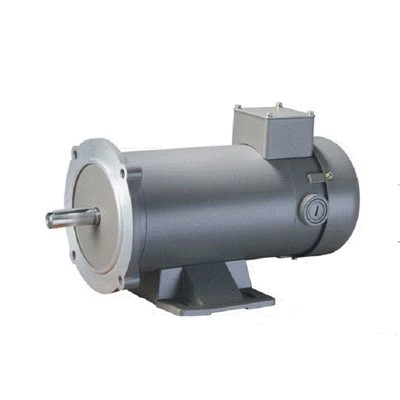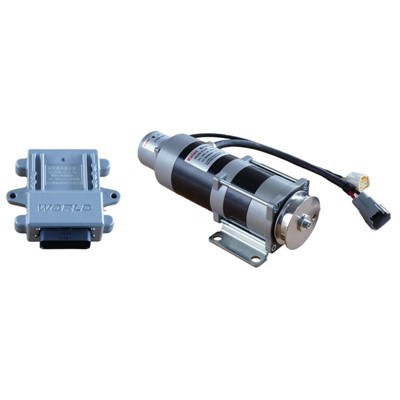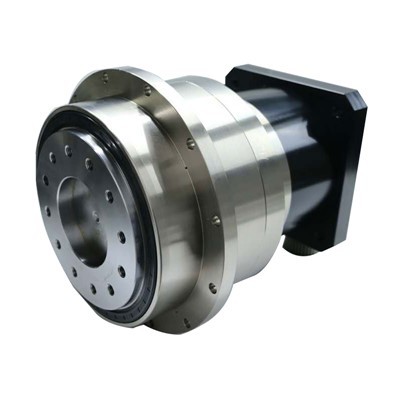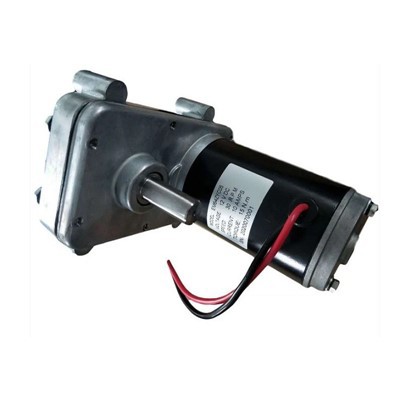
In today's intelligent manufacturing environment, machines require accurate positioning, high dynamic response, and energy-efficient motion control. Industrial servo motors have become the preferred drive solution for advanced automation systems because they deliver exceptional speed regulation, torque control, and positioning accuracy.
From robotics and packaging equipment to CNC machines and textile systems, servo motors help manufacturers improve productivity while maintaining consistent precision. This article explores how industrial servo motors work, their main features, and why they are essential for modern machinery.
What Is a Servo Motor?
A servo motor is a specialized electric motor designed for precise control of position, speed, and torque. Unlike conventional motors that simply rotate at a fixed speed, servo motors operate in a closed-loop control system.
This system typically includes:
A motor
A feedback device (encoder or resolver)
A servo drive or controller
The controller constantly monitors feedback from the encoder and adjusts the motor's motion in real time. As a result, the system can achieve extremely accurate positioning and smooth dynamic movement.
Because of this capability, servo motors are widely used in industries where precision and responsiveness are critical.

Key Features of Modern Industrial Servo Motors
1. Modular Design for Flexible Integration
Modern servo motors are typically built using a modular architecture that allows manufacturers to configure the motor according to specific machine requirements.
Common configurable elements include:
Gearboxes
Holding brakes
Connection types
Encoder options
Cooling systems
This flexibility enables engineers to design drive solutions that perfectly match the mechanical and performance requirements of each application.
2. Multiple Cooling Options for High Power Density
Thermal management is essential for maintaining stable performance in servo systems. Advanced servo motors can be equipped with several cooling configurations, including:
Natural air cooling
Forced air cooling
Water or liquid cooling
Liquid cooling is particularly beneficial in high-performance machines because it improves heat dissipation and increases power density, allowing motors to deliver greater output in compact installations.
This also makes it easier to install multiple motors close together in multi-axis automation systems.
3. High Efficiency and Energy Savings
Industrial servo motors typically achieve efficiency levels above 90%, converting most electrical energy into mechanical output.
Higher efficiency provides several benefits:
Lower energy consumption
Reduced operating costs
Less heat generation
Longer system lifespan
For manufacturers operating continuous production lines, these savings can significantly reduce the total cost of ownership.
4. Advanced Encoder and Feedback Technologies
Precision control depends heavily on feedback accuracy. Modern servo motors support a wide range of encoder technologies, such as:
Incremental encoders
Absolute encoders
Resolver feedback systems
High-resolution digital encoders
These devices continuously measure the motor's speed and position, ensuring that the control system can correct deviations instantly and maintain precise motion.
5. High Dynamics for Faster Production Cycles
One of the biggest advantages of servo motors is their excellent torque-to-inertia ratio. This allows the motor to accelerate and decelerate rapidly while maintaining smooth control.
For machine builders, this means:
Faster machine cycle times
Improved productivity
Higher throughput in automated processes
Applications such as packaging machines, pick-and-place robots, and CNC systems rely heavily on these dynamic characteristics.
Typical Applications of Servo Motors
Servo motors are used in a wide variety of industrial sectors, especially where precision motion control is required.
Common applications include:
Robotics and Automation
Robotic arms use servo motors to achieve highly accurate positioning and repeatability.
CNC Machine Tools
Servo systems provide the precise axis control required for milling, drilling, and cutting operations.
Packaging Machinery
High-speed servo motors enable synchronized motion for filling, sealing, labeling, and sorting equipment.
Textile and Printing Machines
Accurate motion control improves product quality and reduces waste in continuous production processes.
Material Handling Systems
Servo motors control conveyors, pick-and-place units, and automated storage systems.
Advantages of Using Servo Motor Systems
Compared with traditional AC or induction motors, servo motors offer several important advantages:
Precise motion control
High torque at low speeds
Fast acceleration and deceleration
Compact design with high power density
Lower maintenance requirements
Better energy efficiency
These benefits make servo motors the ideal solution for modern smart factories and Industry 4.0 environments.
Choosing the Right Servo Motor for Your Application
Selecting the correct servo motor requires evaluating several key parameters:
Required torque and power output
Speed range
Load inertia
Cooling requirements
Installation space
Feedback accuracy
Working with an experienced supplier ensures the motor, drive, and controller are properly matched to achieve optimal performance and reliability.
Future Trends in Servo Motor Technology
As industrial automation continues to evolve, servo motor technology is also advancing rapidly. Future developments focus on:
Higher efficiency and sustainability
Integrated smart sensors
Digital twin simulation for machine design
Compact high-power motors
Seamless integration with industrial IoT systems
These innovations will enable manufacturers to build smarter, faster, and more energy-efficient production systems.
Servo motors have become a cornerstone of modern automation because they deliver precision motion control, energy efficiency, and outstanding dynamic performance. Whether used in robotics, CNC machines, or packaging lines, they allow manufacturers to achieve higher productivity while maintaining exceptional accuracy.
If you are designing or upgrading industrial equipment, selecting the right servo motor solution can dramatically improve machine performance and operational efficiency.
Looking for reliable industrial servo motors for your automation system? Contact our engineering team today to find the best solution for your application.