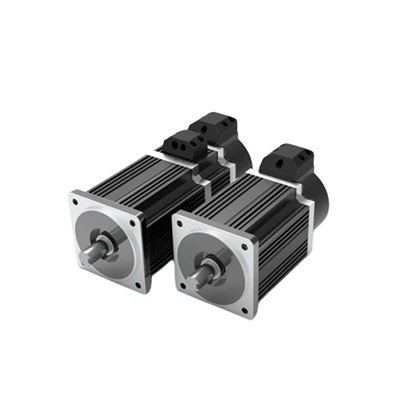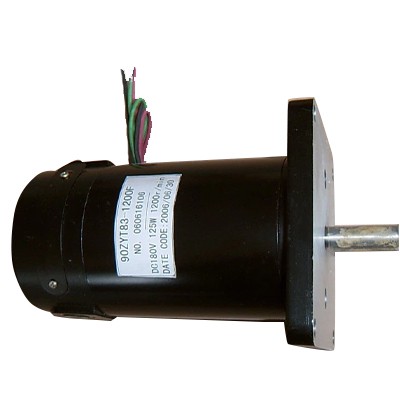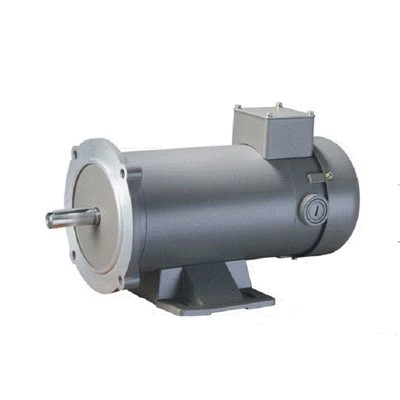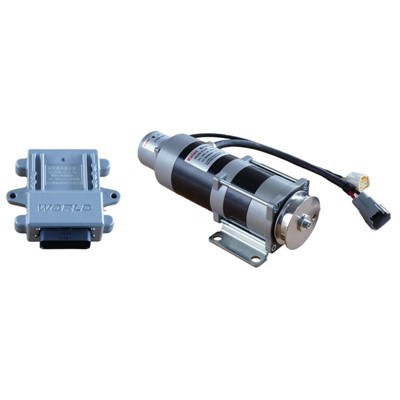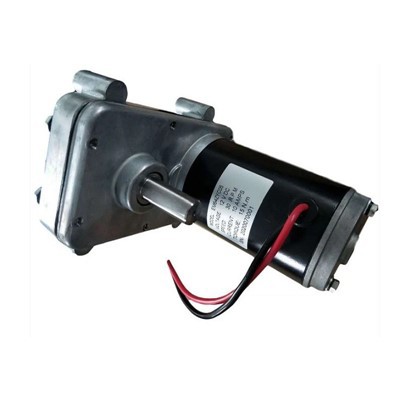
In many industrial systems, motion control must be precise, reliable, and easy to maintain. That is why the Direct Current Permanent Magnet Motor (PMDC motor) continues to be widely used in automation equipment, robotics, conveyor systems, medical devices, and battery-powered machinery.
Unlike complex drive systems that require sophisticated control electronics, a permanent magnet DC motor provides efficient torque output with a relatively simple structure. However, buyers often face a challenge: motors with the same name can perform very differently in real-world applications.
This guide explains how to evaluate a Direct Current Permanent Magnet Motor, what parameters truly matter, and how industrial buyers can avoid common purchasing mistakes.

Why Direct Current Permanent Magnet Motors Remain Popular
Although many industrial systems now use servo motors and AC drives, PMDC motors still occupy a crucial position in applications that demand simplicity and reliability.
The reason lies in the motor's construction. Instead of using electromagnetic field windings, a PMDC motor uses permanent magnets mounted on the stator to generate the magnetic field. This design eliminates field winding losses and reduces the number of components required to operate the motor.
For manufacturers and system integrators, this brings several practical advantages:
Higher efficiency compared with traditional wound-field DC motors
Simplified speed control using basic DC voltage regulation
Reduced energy consumption in continuous operation
Compact design with high torque density
Because of these characteristics, permanent magnet DC motors are widely adopted in systems where stable torque and straightforward control are more important than ultra-precise motion feedback.
Key Industrial Applications of PMDC Motors
Understanding where these motors are typically used helps buyers determine whether they are suitable for their own equipment.
In automation equipment, PMDC motors often drive small conveyor belts, positioning tables, or feeder systems. Their ability to provide stable torque at low speeds makes them ideal for continuous-duty mechanical motion.
Battery-powered equipment also relies heavily on PMDC motors. Forklifts, electric carts, mobile robots, and portable medical devices require motors that can deliver high torque while maintaining energy efficiency.
In the automotive industry, many auxiliary systems use permanent magnet DC motors. Examples include seat adjustment mechanisms, windshield wipers, power windows, and cooling fans.
Another growing field is compact industrial machinery such as labeling machines, packaging equipment, and light manufacturing tools, where the motor must operate continuously with minimal maintenance.
Critical Performance Parameters Buyers Must Evaluate
When selecting a Direct Current Permanent Magnet Motor, focusing only on voltage and power rating can lead to costly mismatches. Industrial buyers should carefully examine several additional parameters.
1. Rated Torque and Starting Torque
Torque is often the most important parameter in industrial applications. Many machines require strong starting torque to overcome mechanical resistance at startup.
Permanent magnet motors naturally provide high starting torque, but the actual value depends on magnet strength, armature design, and winding configuration. Always verify the stall torque and rated torque to ensure the motor can handle load conditions.
2. Speed Characteristics
PMDC motor speed is roughly proportional to the applied voltage. However, speed stability also depends on load variation.
For conveyor systems or automated equipment where consistent speed matters, check the motor's speed regulation performance. Poor speed stability can lead to production inconsistencies or product defects.
3. Thermal Performance
Heat is one of the primary factors affecting motor lifespan. Permanent magnets can lose magnetic strength if exposed to excessive temperature.
Industrial buyers should review:
Maximum operating temperature
Insulation class
Cooling method (natural cooling or forced ventilation)
In heavy-duty environments, selecting a motor with better thermal design significantly improves long-term reliability.
4. Duty Cycle
Many buyers overlook duty cycle requirements. Some PMDC motors are designed for intermittent operation, while others are built for continuous industrial duty.
For equipment that runs multiple shifts or operates 24/7, choosing a motor rated for continuous duty (S1) prevents premature wear and overheating.
5. Brush and Commutator Quality
Because PMDC motors use brushes and commutators, these components directly affect service life.
High-quality carbon brushes reduce electrical noise and wear. Industrial-grade motors also use precision-machined commutators to improve current transfer and reduce sparking.
In environments where maintenance access is limited, longer brush life becomes an important purchasing factor.
Permanent Magnet Motor vs Other DC Motor Types
Industrial buyers frequently compare PMDC motors with other DC motor designs before making a decision.
PMDC Motor vs Wound Field DC Motor
Traditional wound-field motors generate their magnetic field using energized coils rather than permanent magnets.
While they offer adjustable field control, they are heavier, less efficient, and require more electrical components. For compact industrial equipment, PMDC motors usually provide a better balance between efficiency and simplicity.
PMDC Motor vs Brushless DC Motor
Brushless DC motors eliminate brushes and commutators by using electronic controllers.
They offer higher efficiency and longer service life, but the control system is significantly more complex and expensive.
In applications where advanced motion control is unnecessary, a permanent magnet DC motor often remains the more economical solution.
Common Mistakes Industrial Buyers Should Avoid
Over the years, many equipment manufacturers have encountered similar problems when selecting DC motors.
One frequent mistake is oversizing the motor unnecessarily. While a larger motor may appear safer, it increases energy consumption and equipment cost without improving performance.
Another mistake is ignoring environmental conditions. Dust, vibration, humidity, and ambient temperature can dramatically affect motor reliability. Industrial environments often require sealed housings or special insulation.
Finally, some buyers rely solely on catalog specifications without considering the actual mechanical load characteristics of their machines. Torque spikes, frequent starts, or shock loads can all shorten motor lifespan if not properly accounted for.
Manufacturing Quality Matters More Than Specifications
Two motors with identical ratings on paper may behave very differently in operation. The difference often comes down to manufacturing quality.
Critical factors include:
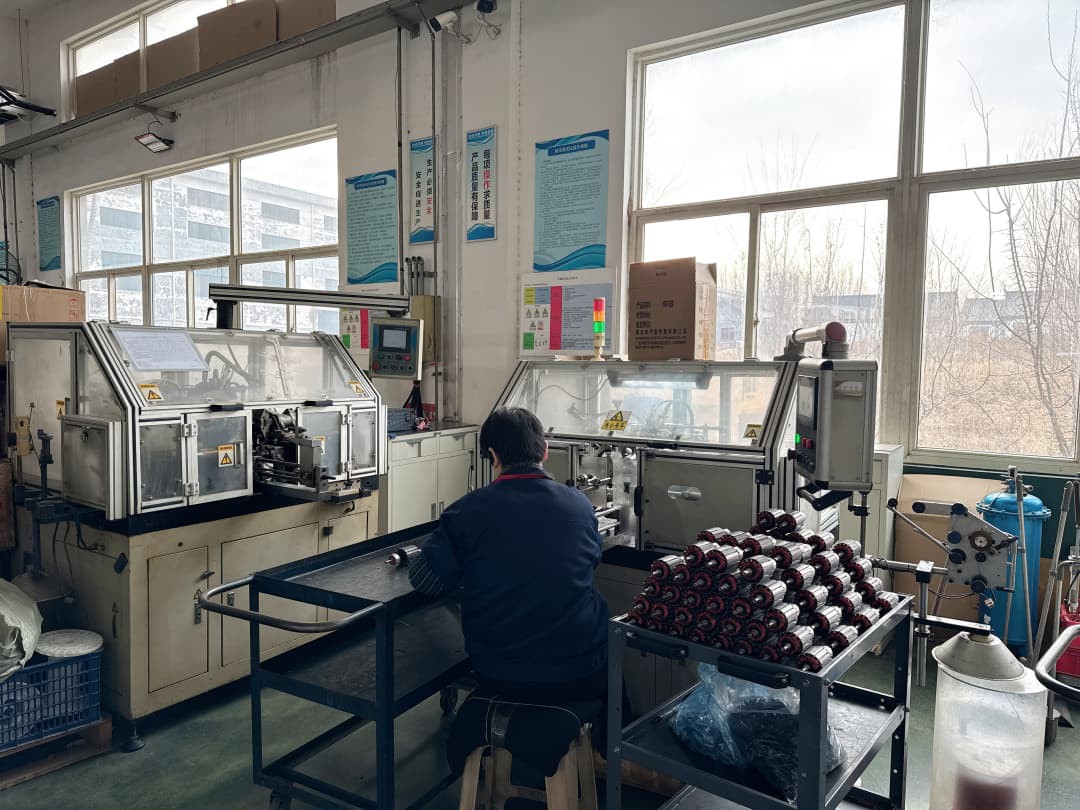
Precision balancing of the rotor
Magnet material quality (ferrite or rare-earth magnets)
Copper winding purity
Bearing selection and lubrication
A well-engineered motor will maintain stable torque, generate less noise, and deliver a longer operational life.
At Auric Mechanical, engineering teams focus heavily on electromagnetic design optimization and mechanical durability. This approach ensures that permanent magnet DC motors perform reliably in demanding industrial environments rather than only meeting basic catalog parameters.
Future Trends for Permanent Magnet DC Motors
Even as brushless technologies expand, permanent magnet DC motors continue evolving.
New magnet materials, improved insulation systems, and advanced winding methods are enabling higher torque density and better thermal performance. Many manufacturers are also optimizing motors for integration with compact electronic speed controllers.
These improvements allow PMDC motors to remain competitive in applications where cost efficiency, reliability, and simple control are still the top priorities.

Final Thoughts
Selecting the right Direct Current Permanent Magnet Motor is not simply a matter of matching voltage and horsepower. Real performance depends on torque characteristics, thermal design, manufacturing quality, and the specific demands of the application.
For equipment manufacturers, choosing a motor that aligns with the mechanical load profile and operating environment will reduce downtime, improve efficiency, and extend system lifespan.
If you are evaluating permanent magnet DC motors for industrial equipment, working with an experienced manufacturer can make a significant difference. Engineering support, customization capability, and consistent manufacturing quality often determine whether a motor performs reliably for years-or fails prematurely.
Auric Mechanical continues to support equipment manufacturers worldwide by providing carefully engineered motor solutions designed for real industrial conditions, not just laboratory specifications.