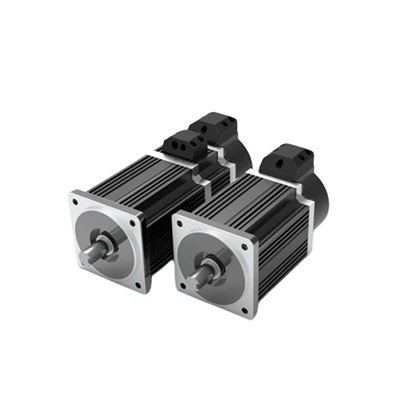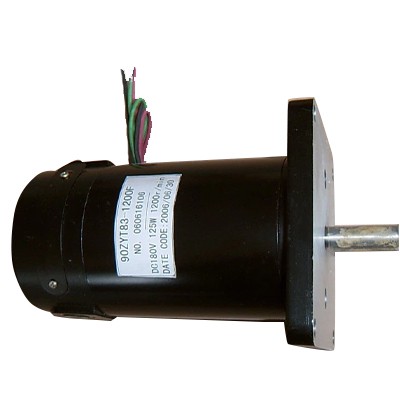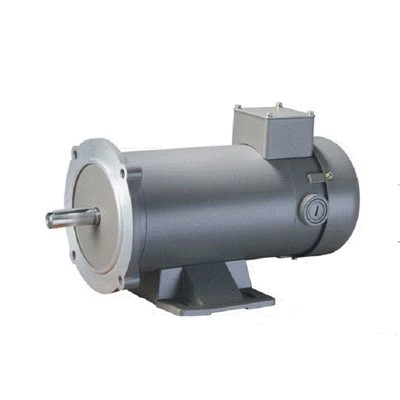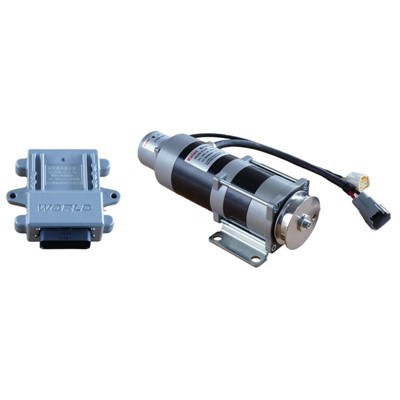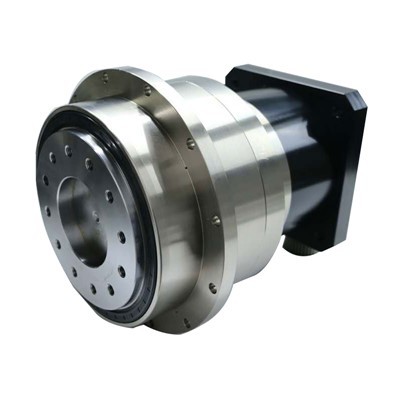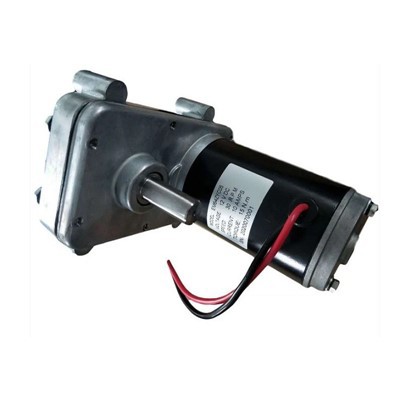
In modern industrial automation, motion control systems play a critical role in determining machine accuracy, productivity, and long-term reliability. Among the many motion technologies available today, the 3 phase servo motor has become one of the most widely used solutions for high-precision and high-efficiency equipment.
From CNC machines and packaging lines to robotics and semiconductor manufacturing, three phase servo motors are designed to deliver accurate positioning, fast response, and stable torque under demanding working conditions. However, choosing the right servo motor is not always straightforward. Factors such as torque requirements, system compatibility, feedback technology, and environmental conditions can significantly influence overall performance.
This buying guide explains how to select the right 3 phase servo motor for your application, what parameters truly matter, and how engineers and equipment manufacturers can avoid common purchasing mistakes.
What Is a 3 Phase Servo Motor?
A 3 phase servo motor is a high-performance electric motor designed for closed-loop motion control systems. Unlike traditional motors that run at a fixed speed, servo motors continuously adjust their motion based on real-time feedback signals.
A complete three phase servo system typically consists of three core components:
Servo motor – generates mechanical motion and torque.
Servo drive (servo amplifier) – controls current, speed, and position.
Feedback device – an encoder or resolver that monitors motion in real time.
Three phase servo motors operate using three-phase electrical power supplied by a servo drive. The drive precisely regulates the current flowing through the motor windings, allowing the motor to achieve smooth acceleration, rapid response, and accurate positioning.
This closed-loop architecture is what makes servo motors essential for equipment that requires precise control.
Why 3 Phase Servo Motors Are Widely Used in Automation
Compared with stepper motors or standard induction motors, three phase servo motors offer several advantages that make them ideal for demanding industrial environments.
Higher Precision
Servo systems constantly monitor position and speed through feedback devices. This allows the motor to maintain extremely accurate positioning, even during rapid acceleration or load changes.
Fast Dynamic Response
Three phase servo motors can accelerate and decelerate quickly. This is especially important for applications such as pick-and-place machines, automated assembly equipment, and packaging lines.
High Torque Density
Modern servo motors are designed to generate strong torque within compact dimensions. This allows machine builders to reduce equipment size while maintaining performance.
Smooth and Stable Operation
Because the servo drive precisely controls motor current, the system delivers smooth rotation and minimal vibration across a wide speed range.
Key Factors to Consider When Buying a 3 Phase Servo Motor
Selecting the right servo motor requires more than simply choosing a power rating. A well-matched system ensures higher efficiency, longer service life, and lower operating costs.
Determine the Required Torque
Torque is one of the most critical parameters when selecting a servo motor. Engineers should evaluate three different torque values:
Rated torque during normal operation
Peak torque required during acceleration
Load torque under maximum mechanical resistance
If the motor torque is underestimated, the system may suffer from overheating, instability, or positioning errors.
Evaluate the Required Speed Range
Servo motors are typically selected based on the required operating speed and the maximum speed needed during motion cycles.
Applications such as CNC machines and robotics often require both high speed and precise low-speed control. A well-selected motor should maintain stable torque throughout the working speed range.
Consider Motor Power and Voltage
Three phase servo motors are available in various voltage classes, such as:
Low voltage servo motors
Medium voltage servo motors
Industrial AC servo motors
The choice usually depends on the existing power infrastructure of the machine and the servo drive specifications.
Choose the Right Encoder Resolution
The feedback system determines how accurately the servo system can control motion. High-resolution encoders provide better positioning accuracy and smoother motion control.
For precision equipment such as semiconductor manufacturing or medical devices, encoder resolution becomes a critical selection factor.
Evaluate Inertia Matching
Proper inertia matching between the motor and the load ensures stable motion control and prevents oscillation. If the load inertia is significantly higher than the motor inertia, system performance may be compromised.
Servo system designers often aim for an inertia ratio that allows stable control without sacrificing responsiveness.

Matching the Servo Drive and Motor
A three phase servo motor cannot operate independently; it must work together with a compatible servo drive. When selecting a motor, it is essential to verify drive compatibility.
Important compatibility factors include:
Voltage and current ratings
Encoder communication protocols
Control interfaces
Protection features
A well-matched servo motor and drive combination ensures optimal performance and reduces commissioning complexity.
Typical Applications of 3 Phase Servo Motors
Because of their precision and responsiveness, three phase servo motors are widely used across various automation industries.
Industrial Robots
Robotic arms require accurate joint movement and rapid acceleration. Servo motors provide the precise control needed for multi-axis robotic systems.
CNC Machine Tools
CNC machines rely on servo motors for spindle control, tool positioning, and axis movement, ensuring consistent machining accuracy.
Packaging Equipment
High-speed packaging lines require precise motion control to synchronize cutting, sealing, labeling, and filling processes.
Semiconductor Manufacturing
Semiconductor production demands ultra-precise positioning and vibration-free motion, making servo motors a critical component.
Automated Assembly Systems
Servo motors allow manufacturers to achieve repeatable positioning during high-speed assembly operations.
Common Mistakes When Purchasing a Servo Motor
Many equipment builders encounter performance issues because of incorrect servo motor selection. Avoiding several common mistakes can significantly improve system reliability.
One common mistake is choosing a motor based only on rated power rather than torque requirements. Another frequent issue is ignoring inertia matching, which can lead to unstable motion and reduced control accuracy.
Some buyers also overlook environmental conditions such as temperature, humidity, and dust levels. In harsh environments, motors may require higher protection ratings or specialized sealing.
Finally, selecting a servo motor without considering long-term maintenance and technical support can create operational challenges for equipment manufacturers.
How the Right Servo Motor Improves Machine Performance
A properly selected three phase servo motor does more than move mechanical components. It directly influences machine productivity, energy efficiency, and operational stability.
Optimized servo systems can reduce cycle times, improve positioning accuracy, and minimize downtime caused by mechanical stress or control instability.
For machine manufacturers, selecting the right servo motor also improves product competitiveness by delivering higher performance and reliability to end users.


Final Thoughts
Choosing a 3 phase servo motor is a critical decision that affects the entire motion control system. By carefully evaluating torque requirements, speed range, encoder resolution, inertia matching, and drive compatibility, engineers can ensure that the servo system performs reliably under real operating conditions.
As automation technology continues to advance, three phase servo motors remain one of the most powerful tools for achieving precise, efficient, and intelligent motion control.
For equipment manufacturers and system integrators, investing time in proper servo motor selection is not simply a purchasing step-it is a strategic decision that determines the long-term performance and value of the machine.