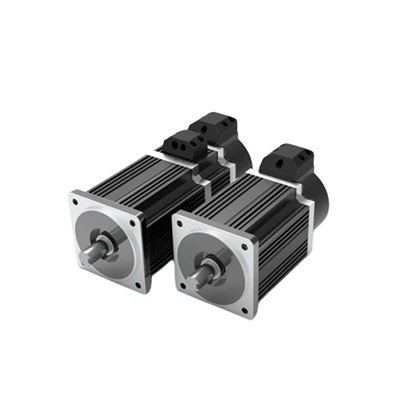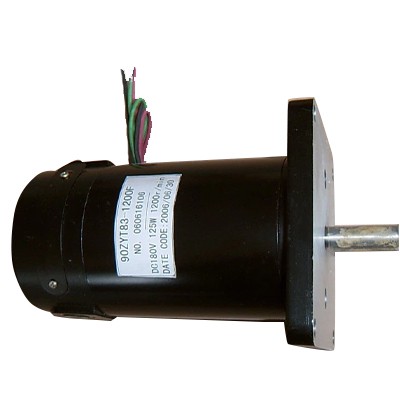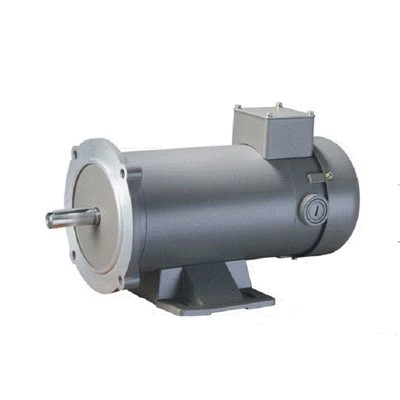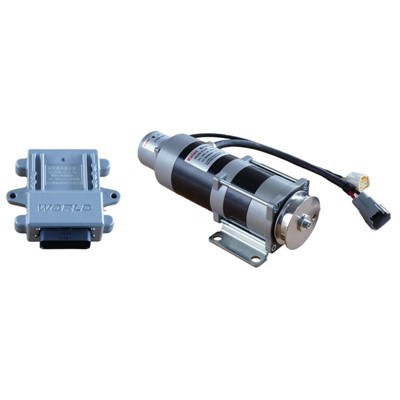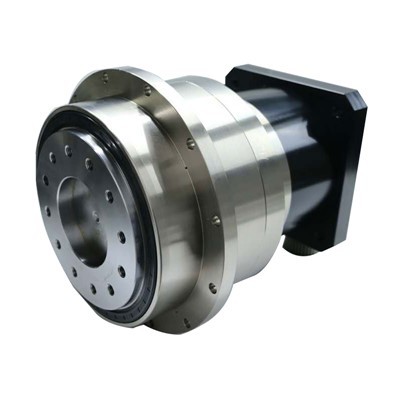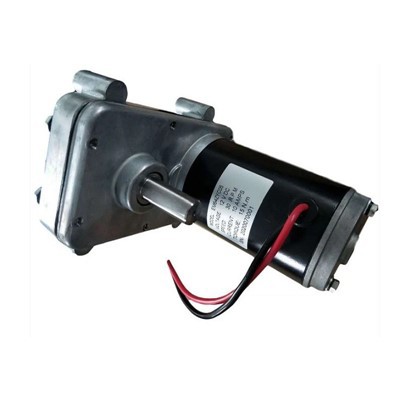
When selecting a DC motor for industrial or equipment applications, engineers often prioritize stability, controllability, and efficiency. Among many available options, the 1 HP permanent magnet DC motor remains a widely used solution for applications that require reliable torque, simple speed control, and compact design.
Despite the rapid development of AC drive systems, permanent magnet DC motors are still commonly used in equipment such as conveyor systems, small industrial machinery, mobility equipment, and battery-powered systems. Their relatively simple control method and predictable torque characteristics make them practical in many engineering scenarios.
However, choosing the right 1 horsepower permanent magnet DC motor is not simply a matter of selecting the power rating. Parameters such as voltage configuration, torque characteristics, duty cycle, and mechanical structure determine whether the motor will operate efficiently and reliably over time.
This guide focuses on the practical engineering factors that should be considered when purchasing a 1 HP permanent magnet DC motor.

Understanding the Working Principle of a Permanent Magnet DC Motor
A permanent magnet DC motor generates torque through the interaction between a magnetic field and current flowing through the armature winding. Unlike wound-field DC motors, the magnetic field in a permanent magnet motor is produced by fixed permanent magnets rather than an energized field winding.
This design offers several practical advantages:
The motor structure is simpler because no field excitation circuit is required.
Energy losses caused by field windings are eliminated.
The motor becomes more compact and efficient for small to medium power ranges.
In a typical configuration, the stator contains permanent magnets that create a constant magnetic field. When current flows through the rotor windings, electromagnetic force interacts with the magnetic field, generating torque and causing the rotor to rotate.
Because the magnetic flux remains constant, the speed of the motor can be controlled primarily by adjusting the armature voltage.
Why the 1 HP Rating Is Common in Industrial Equipment
The 1 horsepower permanent magnet DC motor occupies an important middle ground between small fractional horsepower motors and large industrial drives.
At this power level, the motor can deliver sufficient torque for many mechanical systems while still remaining compact and relatively easy to integrate.
Typical applications include:
Conveyor systems
Small machine tools
Automated handling equipment
Electric mobility devices
Hydraulic pump drives
Packaging machinery
In these systems, the combination of controllable speed and reliable torque output is often more important than extremely high power.
Step One: Confirm the Required Operating Voltage
One of the most critical selection parameters for a permanent magnet DC motor is its rated voltage. Common configurations for a 1 HP motor include 90 VDC and 180 VDC systems.
The voltage rating affects several aspects of system performance.
A 90 VDC motor is often used in applications powered by rectified single-phase AC supplies or battery systems. These motors are typically paired with compact DC drives and are common in small industrial machines.
A 180 VDC motor, on the other hand, is frequently used when the system is powered by rectified 230 VAC input. Because higher voltage reduces current for the same power output, 180 VDC motors generally operate with lower current and improved efficiency in continuous-duty industrial equipment.
When selecting a motor, the voltage must match the control drive and available power source.
Step Two: Evaluate the Torque Requirements
Power ratings alone do not determine whether a motor will meet application requirements. Torque characteristics must be carefully evaluated.
The relationship between horsepower, torque, and speed can be expressed by the standard formula:
Torque (lb-ft) = (HP × 5252) / RPM
For a 1 HP motor operating at 1750 RPM, the rated torque is approximately 3 lb-ft. However, many real-world applications require higher torque during startup or acceleration.
Permanent magnet DC motors typically provide strong starting torque, which is one of their advantages. Still, engineers must confirm that the motor can handle peak torque demands without overheating.
Applications with heavy loads, high inertia, or frequent start-stop cycles may require a motor with higher torque capability or additional gearing.
Step Three: Consider Duty Cycle and Thermal Performance
Thermal management is often overlooked during motor selection, but it has a direct impact on reliability and service life.
Most industrial motors are rated for specific duty cycles, such as:
Continuous duty (S1)
Intermittent duty
Short-time duty
A conveyor operating continuously for hours requires a motor rated for continuous operation. In contrast, equipment that runs briefly and then stops may tolerate a different duty classification.
Permanent magnet motors are sensitive to excessive temperature because high heat can weaken the magnets. For this reason, selecting a motor with adequate thermal capacity is essential.
Ventilation, enclosure type, and ambient temperature should also be considered.
Step Four: Examine Speed Control Requirements
One of the main reasons permanent magnet DC motors remain popular is their straightforward speed control.
Because the magnetic field is constant, motor speed is primarily determined by armature voltage. By adjusting the DC voltage supplied by a motor drive, operators can smoothly regulate speed across a wide range.
In practice, many systems use SCR-based or PWM DC drives to control motor speed.
However, it is important to verify that the motor and controller are compatible. The drive must be capable of supplying the correct voltage and current while maintaining stable control across the required speed range.
Step Five: Check Mechanical Configuration and Mounting
Mechanical compatibility is another important factor when selecting a motor.
Engineers should verify:
Frame size and mounting pattern
Shaft diameter and keyway dimensions
Shaft orientation
Overall motor length and clearance space
Standard frame sizes allow easier replacement and maintenance. If the motor will replace an existing unit, matching the original frame and shaft specifications can simplify installation.
Coupling methods, such as direct coupling or belt drive, also influence shaft load and bearing requirements.
Step Six: Evaluate Environmental Conditions
Operating conditions can significantly affect motor lifespan.
Dust, moisture, vibration, and ambient temperature must be considered during motor selection.
For example, equipment operating in a dusty factory environment may require a totally enclosed motor housing to protect internal components. Applications exposed to moisture or washdown conditions may require higher enclosure ratings.
Ignoring environmental factors often leads to premature wear or unexpected motor failure.
Step Seven: Consider Maintenance and Serviceability
Although permanent magnet DC motors are relatively simple machines, they still contain wear components such as brushes and commutators.
Regular inspection and brush replacement are part of routine maintenance. Therefore, selecting a motor with accessible brush assemblies and widely available spare parts can reduce long-term operating costs.
Manufacturers that provide detailed documentation and consistent parts availability are generally better choices for industrial equipment.

Practical Advice Before Purchasing
Before finalizing a motor selection, it is helpful to review several practical questions:
What is the actual load profile of the machine during operation?
Does the motor need to handle frequent starts or reversals?
Is the power supply stable and compatible with the motor drive?
Are the mounting dimensions suitable for the equipment structure?
Answering these questions early in the design process helps avoid costly redesigns or unexpected performance issues later.
Conclusion
The 1 HP permanent magnet DC motor continues to serve as a practical and reliable solution for many industrial and equipment applications. Its simple control method, compact structure, and dependable torque characteristics make it especially suitable for machines that require adjustable speed and moderate power.
However, selecting the right motor requires more than choosing a horsepower rating. Voltage compatibility, torque demand, duty cycle, mechanical integration, and environmental conditions all influence whether the motor will perform reliably in real-world operation.
By carefully evaluating these factors during the purchasing process, engineers and equipment manufacturers can ensure that the selected motor delivers stable performance, long service life, and efficient operation in the intended application.
A well-matched motor is not just a component-it is a critical part of the machine's long-term reliability and productivity.