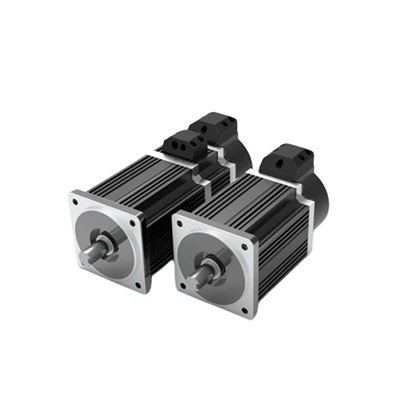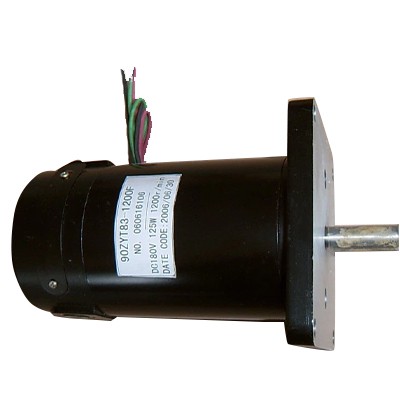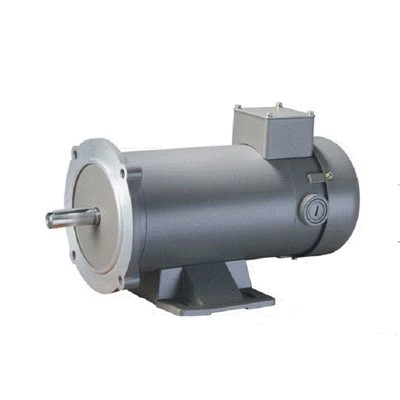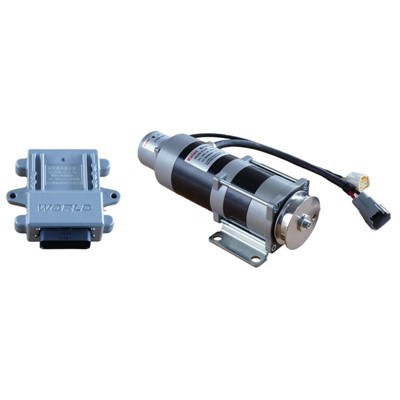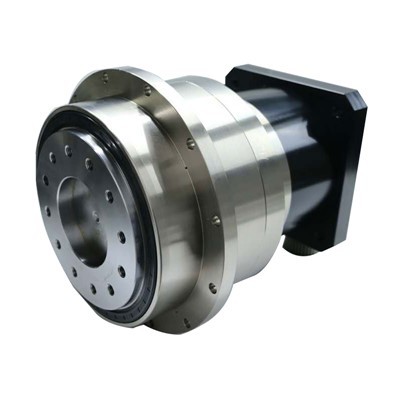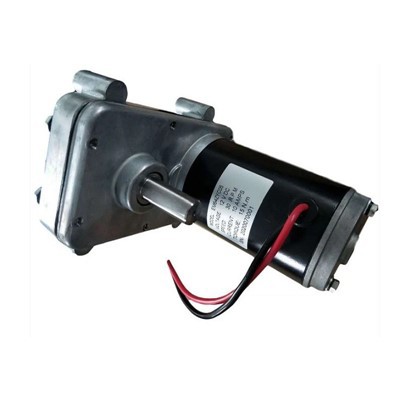
In modern automation systems, efficiency, precision, and safety are becoming more critical than ever. As industries shift toward compact equipment, collaborative robotics, and energy-efficient machines, the 48V servo motor has emerged as an increasingly popular solution.
Compared with traditional high-voltage servo systems, a 48V low voltage servo motor offers safer operation, easier integration, and reduced energy consumption while still delivering excellent positioning accuracy and dynamic response.
This guide explains everything you need to know about 48V servo motors, including how they work, key advantages, typical applications, selection criteria, and how to choose the right system for your automation equipment.
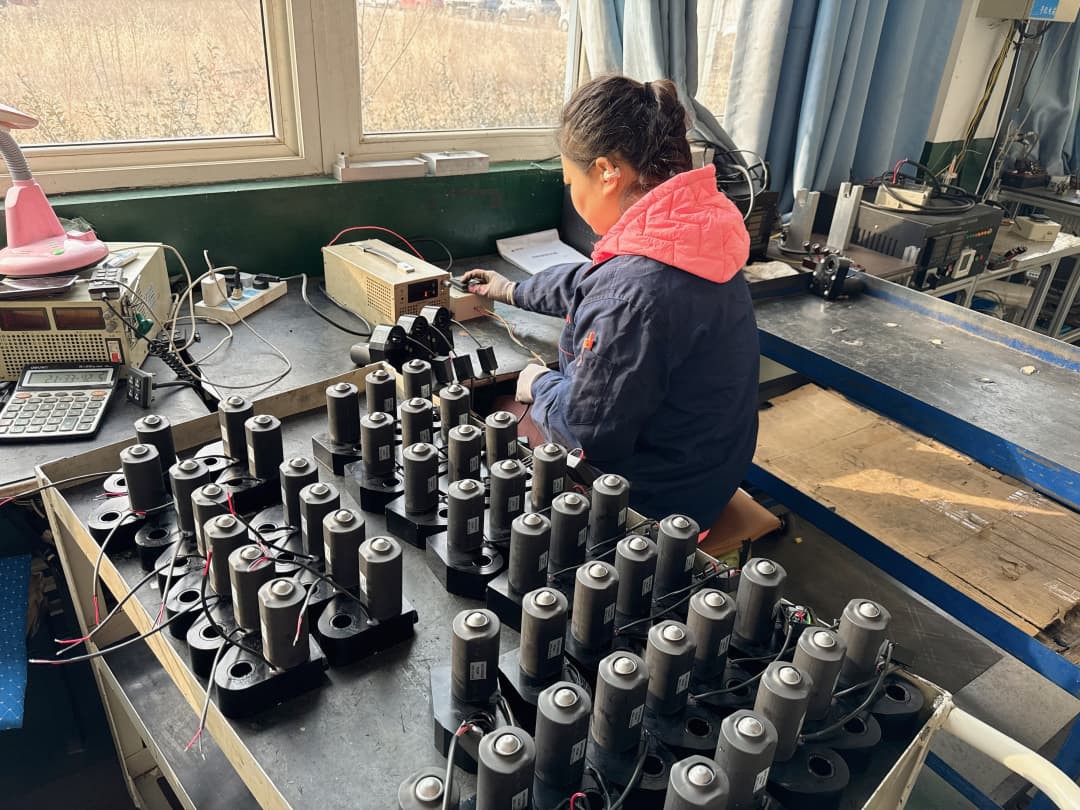

What Is a 48V Servo Motor?
A 48V servo motor is a closed-loop motor system powered by a 48-volt DC supply and controlled through a servo drive and feedback device such as an encoder or resolver.
Unlike conventional motors, servo motors continuously monitor their position, speed, and torque. The system automatically adjusts the motor output to match the command signal, enabling extremely precise motion control.
A typical 48V servo system includes three key components:
Servo Motor
Provides mechanical motion with high torque density and precise control.
Servo Drive (Controller)
Processes control signals and regulates motor current, speed, and position.
Feedback Device
Encoders or sensors continuously transmit real-time motion data back to the controller.
Because the voltage level is relatively low, 48V servo motors are often used in compact automation systems where safety, efficiency, and flexible integration are important.
Why 48V Servo Motors Are Becoming More Popular
Many modern machines are moving away from traditional high-voltage servo solutions toward low voltage servo motors. The 48V platform has become a preferred option for several reasons.
Improved Safety
48V systems operate below many industrial safety thresholds, significantly reducing electrical risk for operators and maintenance personnel. This makes them ideal for collaborative robots, mobile equipment, and human-machine environments.
Compact System Design
Machines are becoming smaller and more modular. A 48V DC servo motor allows engineers to build compact systems without the bulky infrastructure required by higher-voltage drives.
Energy Efficiency
Low-voltage servo systems often consume less energy while maintaining excellent dynamic performance. This is particularly important for battery-powered equipment and energy-conscious manufacturing.
Simplified Power Supply
A 48V architecture allows easier integration with:
Battery systems
Industrial DC power buses
Renewable energy systems
Mobile automation platforms
For many applications, this dramatically simplifies machine design.
How a 48V Servo Motor Works
Although the voltage is lower, the working principle of a 48V servo drive motor remains the same as other servo systems.
Control Command
The controller sends a motion command such as position, speed, or torque.
Drive Processing
The servo drive converts the command into electrical signals that regulate motor current.
Motor Motion
The motor rotates according to the control signal.
Feedback Loop
The encoder continuously measures the motor's actual position and speed.
Error Correction
If the measured motion differs from the commanded motion, the system instantly adjusts output to correct the deviation.
This closed-loop control is what allows servo motors to achieve extremely high precision and repeatability.
Key Advantages of 48V Servo Motors
High Precision Motion Control
Servo motors are designed for applications requiring precise positioning and smooth motion. Even at low voltage, a 48V servo motor system can achieve excellent accuracy and repeatability.
Fast Dynamic Response
Servo motors can accelerate and decelerate quickly, making them suitable for high-speed automation processes such as pick-and-place or packaging.
High Torque at Low Speed
Unlike standard motors, servo motors maintain strong torque even at low speeds, which is critical for applications requiring controlled startup and stopping.
Quiet Operation
Low voltage servo systems typically produce less noise, which is beneficial in laboratory equipment, medical devices, and indoor automation systems.
Flexible Integration
A 48V DC servo motor is easier to integrate into compact machines, mobile robots, and distributed automation systems.

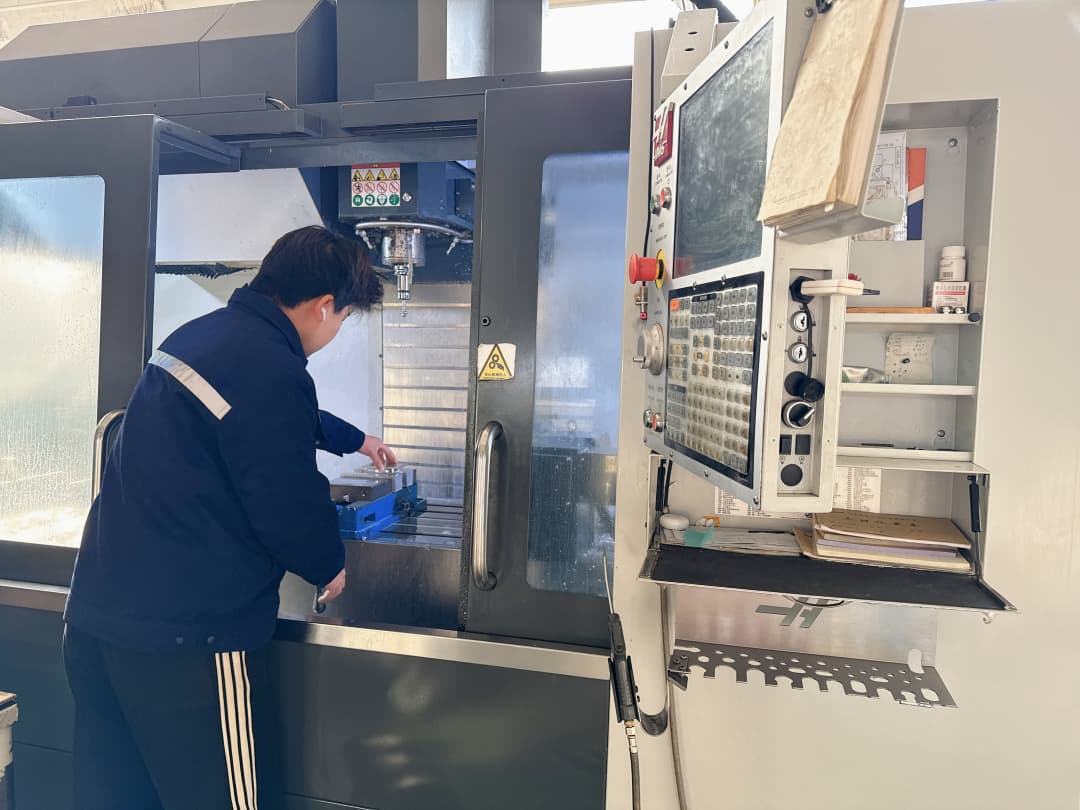
Typical Applications of 48V Servo Motors
Because of their safety, efficiency, and compact size, 48V servo motors are widely used across many industries.
Collaborative Robots (Cobots)
Modern collaborative robots require safe low-voltage systems that can operate around humans. 48V servo motors provide the precision and responsiveness required for robotic joints.
Automated Guided Vehicles (AGV)
AGVs and mobile robots rely heavily on battery power. A 48V servo motor drive system offers efficient motion control while maximizing battery life.
Packaging Machines
Precision motion is critical in filling, sealing, labeling, and cutting processes. 48V servo motors deliver accurate positioning with smooth motion profiles.
Medical Equipment
Medical automation equipment benefits from low voltage operation due to safety requirements and compact design constraints.
Semiconductor Equipment
Semiconductor manufacturing requires extremely precise positioning and smooth motion control, making servo motors essential components.
48V Servo Motor vs Traditional Servo Motors
When selecting a servo system, many engineers compare 48V servo motors with conventional high-voltage servo motors.
| Feature | 48V Servo Motor | Traditional Servo Motor |
|---|---|---|
| Operating Voltage | Low Voltage | High Voltage |
| Safety | Higher safety level | Higher electrical risk |
| System Complexity | Simplified wiring | More complex infrastructure |
| Size | Compact | Larger systems |
| Power Range | Moderate | Wide power range |
In general, 48V servo motors are ideal for compact, efficient, and low-to-medium power automation systems, while traditional servo motors are better suited for heavy industrial machinery.
How to Choose the Right 48V Servo Motor
Selecting the right 48V servo motor system requires evaluating several key parameters.
Required Torque
The motor must generate enough torque to move the load, including startup torque and peak torque requirements.
Speed Range
Consider both maximum speed and the typical operating speed range.
Encoder Resolution
Higher encoder resolution improves positioning accuracy, especially in precision applications.
Motor Size and Mounting
Ensure the motor dimensions fit the mechanical structure of your equipment.
Servo Drive Compatibility
A reliable 48V servo drive is essential for stable performance and efficient control.
Future Trends of 48V Servo Systems
As automation technology evolves, the demand for low voltage motion control solutions continues to grow.
Several trends are accelerating the adoption of 48V servo systems:
Growth of collaborative robotics
Expansion of mobile automation
Increasing demand for energy-efficient machinery
Modular machine design concepts
Integration with battery-powered industrial systems
In many emerging automation sectors, 48V servo motors are becoming the standard motion platform.
Conclusion
The 48V servo motor represents an important evolution in modern motion control technology. By combining precision, efficiency, safety, and compact design, it offers a powerful alternative to traditional high-voltage servo systems.
From collaborative robots and AGVs to packaging machines and semiconductor equipment, the applications of 48V servo motors continue to expand as industries move toward smarter and more flexible automation solutions.
For machine builders and system integrators, choosing the right 48V servo motor and drive system can significantly improve equipment performance, reduce system complexity, and enhance long-term reliability.
As automation continues to advance, 48V low voltage servo technology is expected to play an increasingly important role in the next generation of intelligent manufacturing systems.