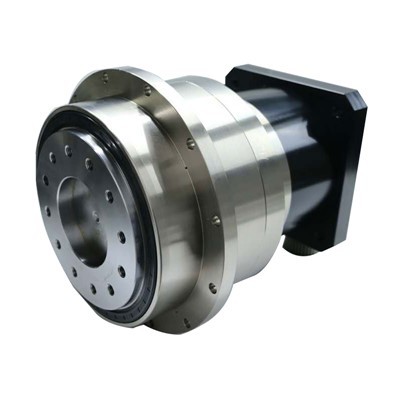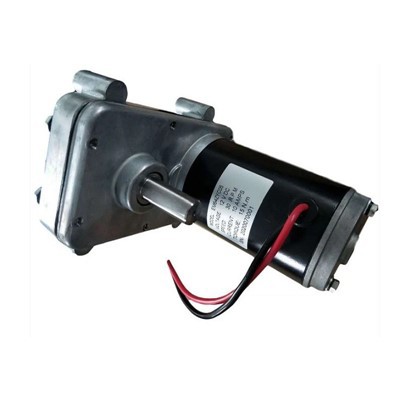
Why Servo Motors Are Essential in Modern Industrial Automation
In modern manufacturing environments, precision, speed, and repeatability determine productivity. From CNC machining centers to robotic assembly lines, motion control technology is the foundation of industrial automation. At the center of these systems is the servo motor.
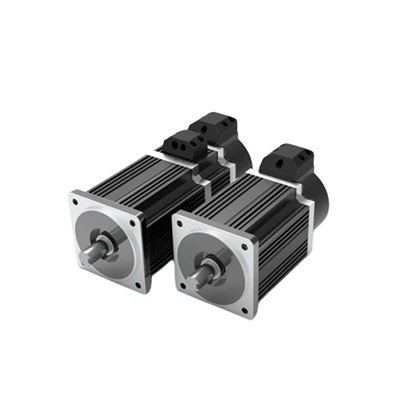
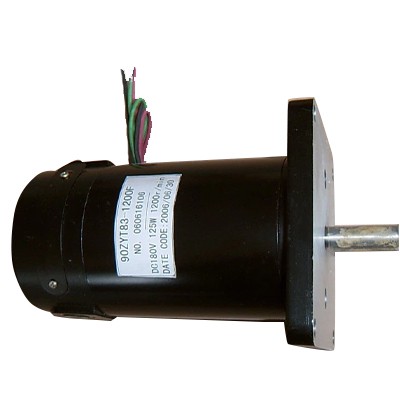
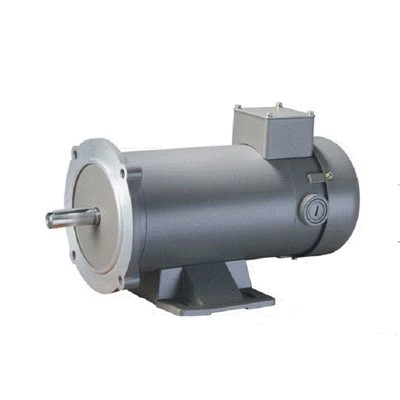
A servo motor is a high-precision motor designed to control position, speed, and torque with exceptional accuracy. Unlike traditional motors that simply rotate when powered, a servo motor works within a closed-loop control system that constantly monitors and corrects motion.
Because of this capability, servo motors are widely used in applications where even small motion errors can lead to production defects, equipment wear, or safety issues.
Industries relying heavily on servo motor systems include:
CNC machine tools
industrial robotics
packaging automation
semiconductor manufacturing
printing equipment
textile machinery
automated assembly lines
For engineers and procurement managers evaluating motion control solutions, understanding how servo motors work and how to choose the right type can significantly improve equipment efficiency and reliability.
This guide explains servo motor technology, industrial applications, system components, and how to select the right servo motor for your machinery.

What Is a Servo Motor?
A servo motor is a rotary or linear actuator designed for precise motion control. It integrates with a control system that continuously adjusts its movement based on feedback signals.
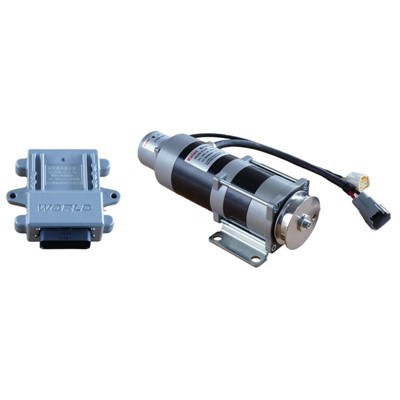
A typical servo motor system consists of three key components:
servo motor
servo drive (controller)
feedback device such as an encoder or resolver
The feedback device monitors the motor's position, speed, and direction in real time. This data is sent back to the controller, which compares it with the target command and instantly corrects any deviation.
This feedback loop allows servo motors to achieve extremely accurate motion control.
Compared with standard motors, servo motors offer:
precise positioning accuracy
high dynamic response
stable torque output
fast acceleration and deceleration
reliable performance under variable loads
These capabilities make servo motors indispensable in modern automated equipment.
How Does a Servo Motor Work?
The operation of a servo motor relies on a closed-loop control system.
When a command signal is sent to the servo drive, the drive supplies controlled electrical current to the motor windings. The motor begins rotating, but its motion is continuously monitored by the feedback device.
If the actual motion differs from the commanded position or speed, the controller instantly adjusts the current output.
This continuous correction process occurs thousands of times per second, allowing the servo motor to maintain extremely precise motion.
The working sequence typically follows these steps:
The control system sends a motion command.
The servo drive converts the command into electrical signals.
The servo motor produces mechanical rotation.
The encoder measures position and speed.
Feedback data is returned to the controller.
The controller corrects any deviation.
Because of this process, servo motors can maintain stable performance even under rapidly changing loads.
Types of Servo Motors Used in Industrial Applications
Different automation systems require different servo motor technologies. The most common industrial servo motors include the following.
AC Servo Motor
AC servo motors are the most widely used type in modern industrial automation.
They provide high efficiency, smooth operation, and excellent torque control. AC servo motors are typically brushless, which reduces maintenance and increases lifespan.
These motors are commonly used in:
CNC machines
robotics
high-speed packaging lines
semiconductor equipment
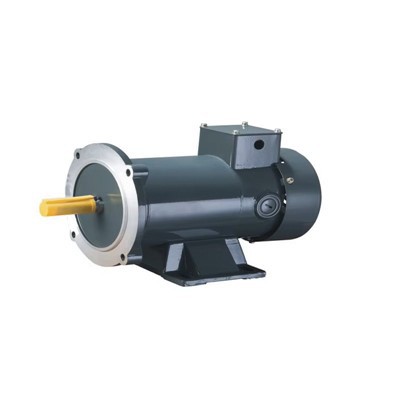
DC Servo Motor
DC servo motors were widely used in earlier automation systems. They offer good control characteristics but require regular maintenance because of brush wear.
Today they are gradually being replaced by brushless AC servo motors.
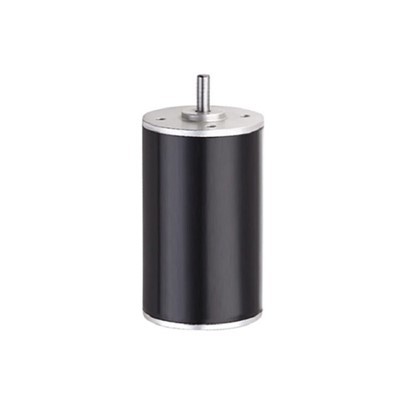
Brushless Servo Motor
Brushless servo motors eliminate mechanical brushes and commutators. Instead, electronic commutation is controlled by the servo drive.
Advantages include:
longer service life
lower maintenance requirements
higher efficiency
reduced electrical noise
Because of these advantages, brushless servo motors dominate modern automation equipment.
Key Advantages of Industrial Servo Motors
Servo motors offer several technical advantages that traditional motors cannot achieve.
Precision Motion Control
Servo motors can achieve positioning accuracy down to microns in advanced systems. This makes them ideal for applications like CNC machining and semiconductor manufacturing.
High Dynamic Response
Servo motors can accelerate and decelerate rapidly without losing control stability. This improves production speed and reduces cycle time.
Stable Torque Output
Unlike standard motors, servo motors maintain consistent torque across a wide speed range. This stability is essential for precision manufacturing.
Energy Efficiency
Modern servo systems optimize power consumption by delivering only the required torque. This reduces overall energy costs.
Compact Design with High Power Density
Servo motors can produce high torque output within a compact size, allowing engineers to design smaller and more efficient machines.
Major Industrial Applications of Servo Motors
Servo motors are used across many industries where precise motion control is required.
CNC Machine Tools
CNC equipment relies on servo motors to control tool positioning and feed rate with extreme accuracy.
Even small positioning errors can affect machining quality, so servo motors play a critical role in maintaining precision.
Industrial Robotics
Robotic arms require synchronized motion across multiple axes. Servo motors provide the responsiveness and torque control needed for robotic motion.
Packaging Machinery
High-speed packaging equipment uses servo motors to control filling, sealing, labeling, and cutting operations.
Servo motors enable machines to switch between product formats quickly without mechanical adjustments.
Semiconductor Manufacturing
In semiconductor fabrication, precision positioning systems rely heavily on servo motors to achieve micron-level accuracy.
Printing and Textile Machinery
Servo motors ensure consistent tension control, alignment accuracy, and synchronized motion during high-speed production.
How to Choose the Right Servo Motor for Your Equipment
Selecting the right servo motor requires careful evaluation of several engineering parameters.
Required Torque
The motor must generate enough torque to drive the load under maximum operating conditions.
Engineers typically calculate torque based on load inertia, acceleration requirements, and transmission mechanisms.
Speed Range
Different machines operate at different speed ranges. High-speed automation equipment may require motors capable of thousands of RPM.
Positioning Accuracy
Applications such as CNC machines or semiconductor equipment demand extremely high positioning accuracy.
Encoder resolution plays a critical role in achieving this precision.
Load Inertia Matching
Improper inertia matching between the servo motor and the load can reduce system stability and control performance.
A properly matched servo system improves response speed and accuracy.
Environmental Conditions
Industrial servo motors may operate in challenging environments, including high temperatures, dust, or vibration.
Selecting motors with appropriate protection levels ensures long-term reliability.
Servo Motor vs Stepper Motor: Key Differences
Both servo motors and stepper motors are used in motion control systems, but they serve different purposes.
Stepper motors operate in an open-loop system and move in fixed steps. They are suitable for low-cost applications with moderate precision requirements.
Servo motors operate in a closed-loop control system and continuously adjust motion based on feedback.
As a result, servo motors offer:
higher speed
greater accuracy
better torque performance
improved reliability under load changes
For demanding industrial automation systems, servo motors are typically the preferred choice.
Future Trends in Servo Motor Technology
As manufacturing moves toward smart factories and Industry 4.0, servo motor technology continues to evolve.
Modern servo systems increasingly integrate:
high-resolution digital encoders
advanced motion control algorithms
networked industrial communication protocols
predictive maintenance monitoring
These innovations allow manufacturers to achieve higher productivity while reducing downtime and maintenance costs.
Servo motors are no longer just motion devices-they are becoming intelligent components within connected manufacturing systems.
Conclusion: Why Servo Motors Are the Core of Precision Automation
Servo motors have become a fundamental technology in modern industrial automation. Their ability to provide precise motion control, high efficiency, and rapid response makes them essential for advanced manufacturing equipment.
Whether used in CNC machining centers, robotic systems, packaging lines, or semiconductor production, servo motors ensure reliable and accurate motion performance.
For machine builders and industrial equipment manufacturers, selecting the right servo motor system can significantly improve machine accuracy, production speed, and long-term operational stability.
As automation continues to advance, servo motor technology will remain at the heart of intelligent manufacturing systems.