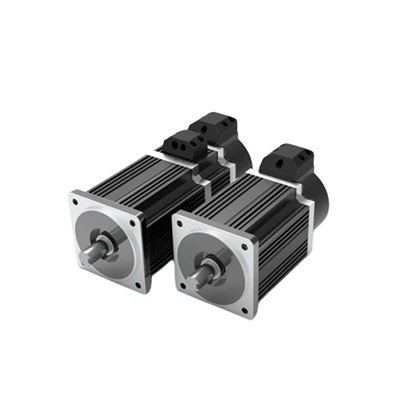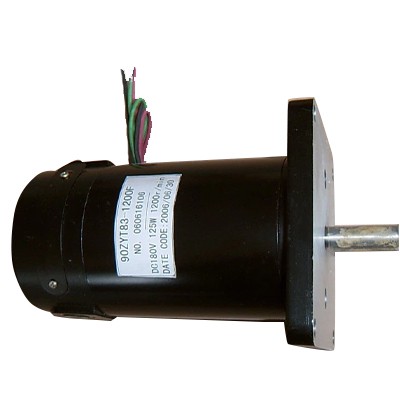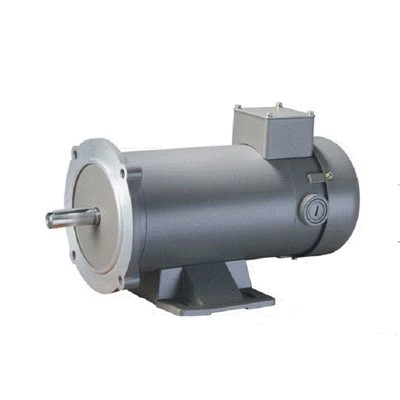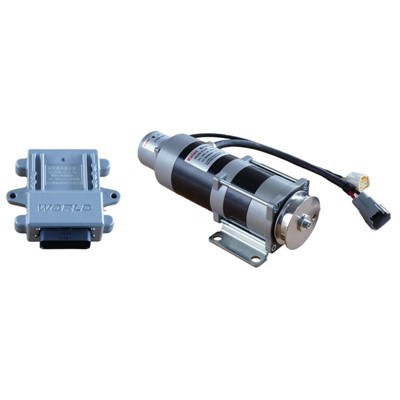
What Is an Electric Reluctance Motor?
Ever wondered how some electric motors deliver high efficiency without relying on magnets? That's where the electric reluctance motor comes in. It's a type of electric motor that uses magnetic reluctance - or resistance to magnetic flux - to generate torque. Unlike traditional motors that depend on permanent magnets or induction, reluctance motors operate by switching magnetic fields to produce motion.
How does magnetic reluctance create torque?
Think of magnetic reluctance as the resistance to magnetic flow within a material. The rotor naturally moves toward areas of least magnetic resistance, aligning itself with the stator's magnetic field. When the stator's magnetic poles are switched on and off electronically, the rotor is pulled into position, creating torque.
Main parts include:
Stator: The stationary part that creates a magnetic field.
Rotor: The rotating part that responds to changes in the magnetic field.
Electronic controller: The brain that switches the magnetic poles on and off, ensuring smooth operation.
Switched reluctance motor vs. other reluctance motor types:
While the switched reluctance motor is the most common, other types include variable reluctance motors. The key difference lies in how the magnetic fields are controlled and how the rotor is designed. Switched reluctance motors are simpler, more durable, and often more cost-effective.
Why does this motor matter in modern industries?
Because of its high energy efficiency, simple design, and low maintenance needs, the electric reluctance motor is gaining ground in industries like manufacturing, electric vehicles, and renewable energy systems. It's a reliable choice for applications demanding durability and cost savings.
In short, the electric reluctance motor offers a smart, efficient alternative to traditional motors, making it a vital component in the future of sustainable and high-performance electric motor technology.

How an Electric Reluctance Motor Works
I see an electric reluctance motor as a simple system with smart timing. The stator creates a magnetic field, the rotor moves toward the path with the least magnetic resistance, and the controller keeps switching at the right moment. That is how torque production happens without permanent magnets.
Electric Reluctance Motor Working Principle
- The controller sends power to one stator pole at a time.
- The energized pole creates a magnetic pull.
- The rotor turns to line up with that pole.
- Before full alignment, the controller switches to the next pole.
- This repeated switching keeps the rotor moving.
In a switched reluctance motor, that timing is the whole game. The rotor does not need magnets or windings, which keeps the design simple and strong.
Magnetic Field Switching and Torque
The motor works through magnetic reluctance technology. I like to explain it this way: the motor always tries to find the easiest magnetic path.
- When the stator field changes, the rotor follows.
- The gap between rotor and stator changes as the shaft turns.
- That changing gap creates torque.
This is why a reluctance motor can be a solid permanent magnet motor alternative in many industrial electric motors and high-efficiency motors.
Rotor Position and Stator Poles
Rotor position matters a lot. The controller must know when to switch the stator poles, or motor efficiency can drop.
- Correct timing gives smooth torque.
- Poor timing can raise noise and vibration.
- Better position tracking improves reluctance motor efficiency.
For modern electric motor control, this part is essential. It helps the motor stay stable across different loads and speeds.
Electric Motor Control
I treat electronic control as the brain of the system. Without it, the motor cannot work well.
- It starts and stops each phase.
- It matches switching with rotor position.
- It keeps torque output steady.
- It helps cut energy loss.
Motor Efficiency Across Loads
| Operating condition | What I see |
|---|---|
| Light load | Good efficiency, low power use |
| Medium load | Best balance of torque and motor efficiency |
| Heavy load | Strong output, but heat and switching loss can rise |
| Poor control | Lower efficiency, more noise, less smooth motion |
This is why electric reluctance motor performance depends so much on control quality. When the timing is right, I get better efficiency, cleaner torque production, and more reliable operation across real electric motor applications.
Electric Reluctance Motor Benefits
I like the electric reluctance motor because it gives me strong motor efficiency without the extra cost and upkeep that comes with more complex designs. For global customers, that usually means lower energy bills, less downtime, and a solid fit for industrial electric motors in daily use.
Key Features
| Feature | Benefit | Why It Matters |
|---|---|---|
| High energy efficiency | Lower power use | Helps cut running costs and supports energy-efficient electric motors |
| Simple rotor design | No permanent magnets | Makes it a practical permanent magnet motor alternative |
| Low maintenance | Less downtime | Fits busy sites that need steady output |
| Strong durability | Handles tough use | Works well in demanding electric motor applications |
| Lower cost | Better value | Reduces manufacturing and operation expenses |
| Better sustainability | Less energy waste | Supports sustainable motor solutions |
Why It Stands Out
- High efficiency: The electric reluctance motor uses magnetic reluctance technology to create torque with less wasted energy.
- Simple build: The rotor is plain and rugged, with no permanent magnets, so the design stays simple and reliable.
- Low maintenance: Fewer wear points mean fewer service stops, which is a big plus for factory teams and plant operators.
- Strong durability: It performs well in hard-working settings where heat, dust, and long run times are normal.
- Cost savings: Lower material use and better operating efficiency help reduce total cost over time.
- Environmental value: Less energy use means lower emissions, which matters more as companies move toward sustainable motor solutions.
Good Fit For Global Use
For me, the biggest advantage is balance. The electric reluctance motor gives solid performance, lower maintenance, and good Reluctance Motor Efficiency without overcomplicating the system. That makes it a smart choice for global operations that want reliable Reluctance Motor Design, lower costs, and a cleaner long-term energy profile.
Electric Reluctance Motor Applications
I see the Electric Reluctance Motor used most in places where motor efficiency, low maintenance, and steady torque production matter. In global markets, that usually means equipment that runs for long hours, needs less downtime, and has to keep energy use under control.
Industrial automation
- I use Electric Reluctance Motor options in assembly lines, packaging machines, pumps, and machine tools.
- The simple stator and rotor design helps keep service needs low.
- A switched reluctance motor setup is a good fit when reliability matters more than a complex build.
Conveyors and robotics
- I often see these motors in conveyor systems, sorters, pick-and-place units, and robotics.
- They support smooth electric motor control and stable torque production.
- That makes them useful in fast-moving plants where uptime counts.
EVs and hybrids
- In electric vehicles and hybrid systems, I see them as a practical permanent magnet motor alternative in some designs.
- They can support electric motors for EVs where cost, durability, and reluctance motor efficiency are key goals.
- This makes them attractive for makers looking at high-efficiency motors without relying on rare materials.
Renewable energy
- I also see reluctance motor technology used in renewable energy systems and related drive setups.
- These projects benefit from sustainable motor solutions that support lower energy use.
- That matters for customers who want better long-term operating costs.
HVAC and appliances
- Electric Reluctance Motor units fit HVAC systems, fans, compressors, and some home appliances.
- These energy-efficient electric motors can help reduce power use in daily operation.
- They also suit buildings and homes that need steady performance with less upkeep.
Real-world use cases
| Area | Common use | Main benefit |
|---|---|---|
| Manufacturing | Assembly lines, pumps, machine tools | Low maintenance |
| Logistics | Conveyors, sorters, handling systems | Stable operation |
| Mobility | EV and hybrid drive systems | Cost and efficiency balance |
| Buildings | HVAC units, fans, appliances | Lower energy use |
For me, the main value of the Electric Reluctance Motor is simple: it works well where Industrial Electric Motors need to stay efficient, reliable, and easy to manage across different markets.

Electric Reluctance Motor vs Other Motor Types
When I compare an electric reluctance motor with other industrial electric motors, I look at four things first: motor efficiency, cost, maintenance, and control. That makes it easier to pick the right energy-efficient electric motor for the job.
Electric Reluctance Motor vs Induction Motor
An electric reluctance motor vs induction motor comparison usually comes down to efficiency and control.
- Reluctance motor efficiency is often better in the right load range.
- An induction motor is simpler to run, but it can lose more energy as heat.
- A reluctance design has a simple rotor design with no windings or permanent magnets.
- Induction motors are still a safe pick when the drive system needs proven, easy setup.
Best use case
- I choose a reluctance motor for higher efficiency and lower running cost.
- I choose an induction motor for broad, general-purpose electric motor applications.
Electric Reluctance Motor vs Synchronous Motor
A synchronous motor can deliver strong performance, but it often needs a more exact setup.
- Both types can offer good efficiency.
- A reluctance motor usually has a lower rotor cost.
- Synchronous motors can be a better fit where speed control is very tight.
- A reluctance motor is often easier to scale in cost-sensitive projects.
Best use case
- I use a reluctance motor when I want a strong Permanent Magnet Motor Alternative without the magnet cost.
- I use a synchronous motor when precision and steady speed matter most.
Electric Reluctance Motor vs Permanent Magnet Motor
This is one of the most common comparisons in reluctance motor technology.
- A permanent magnet motor can give very high torque density.
- An electric reluctance motor avoids rare earth magnets, which helps cost control.
- Reluctance motors usually need less concern around magnet supply chains.
- Permanent magnet motors can be a strong fit for compact, high-performance systems.
Best use case
- I lean toward reluctance motors for sustainable motor solutions and lower material risk.
- I lean toward permanent magnet motors when space is tight and top power density matters.
Quick Comparison
| Motor Type | Strength | Main Trade-Off | Best Fit |
|---|---|---|---|
| Electric reluctance motor | Low rotor cost, good efficiency | Needs strong motor control | Industry, EV support, automation |
| Induction motor | Simple, reliable | Lower efficiency in some cases | General-purpose systems |
| Synchronous motor | High precision | More setup and control effort | Exact speed applications |
| Permanent magnet motor | High torque density | Higher material cost | Compact, high-performance drives |
Cost, Efficiency, and Maintenance
For many global buyers, the real choice is not just performance. It is total cost over time.
- Efficiency: A reluctance motor can reduce energy use in long-running systems.
- Cost: No permanent magnets means lower material exposure.
- Maintenance: The simple rotor design helps keep service needs low.
- Durability: Fewer rotor parts can support longer life in tough environments.
This is why many teams see benefits of reluctance motors in factories, HVAC, and transport systems.
Control and Performance Trade-Offs
The main trade-off is control complexity.
- An electric reluctance motor needs accurate electric motor control.
- The drive system must track rotor position and switch the stator field at the right time.
- If control is not tuned well, noise, vibration, and efficiency can drop.
- Better tuning improves torque production and smooth operation.
Best Use Cases
I usually recommend each motor type like this:
- Electric reluctance motor: energy-focused systems, cost-sensitive production, and harsh-use industrial setups
- Induction motor: general plant equipment, pumps, and standard drives
- Synchronous motor: precision systems with tighter speed needs
- Permanent magnet motor: compact systems where power density is the top priority
For global customers, the best choice depends on local power costs, service access, and how often the equipment runs. In many cases, a reluctance motor is a strong fit when the goal is lower lifetime cost with solid performance.
Challenges and Limitations of Electric Reluctance Motors
While electric reluctance motors, including switched reluctance motors, offer many benefits like high efficiency and simple design, they do face some challenges.
Noise and Vibration Concerns
One of the main issues with reluctance motors is noise and vibration. Because the rotor moves in sync with the switching magnetic fields, it can produce audible noise and vibrations. This can be a problem in applications where quiet operation is needed, like in home appliances or certain industrial setups.
Control System Complexity
Controlling an electric reluctance motor requires sophisticated electronic control systems. These controllers need to precisely switch the magnetic fields at the right times, which makes the system more complex compared to traditional motors like induction or permanent magnet motors. This complexity can increase initial setup costs and maintenance.
Performance Tuning at Different Speeds and Loads
Reluctance motors perform best at specific speeds and loads. Tuning them for optimal efficiency across a wide range of operating conditions can be tricky. Engineers often need to fine-tune the control algorithms to keep performance steady, especially in variable load situations like robotics or electric vehicles.
Adoption Barriers in Some Industries
Despite their advantages, reluctance motors aren't yet universal. Some industries hesitate to adopt them because of the control complexity and noise issues. Additionally, existing infrastructure is often built around traditional motor types, making the switch to reluctance technology less straightforward.
How Engineers Improve Motor Performance
To overcome these challenges, engineers are continuously working on:
- Developing better control algorithms to reduce noise and vibration
- Improving rotor and stator designs for smoother operation
- Using advanced materials for quieter, more durable motors
- Simplifying electronic control systems to lower costs
In , while electric reluctance motors have a lot of potential, addressing their noise, control complexity, and performance tuning remains key to wider adoption and better performance in global markets.

Future of Electric Reluctance Motor Technology
The future of electric reluctance motors looks promising, especially with ongoing advances in motor control algorithms. These improvements help make the motors more efficient, quieter, and better suited for a wide range of applications. As control systems get smarter, we can expect these motors to perform more reliably and with less energy waste.
Design tweaks are also happening to lower noise levels and boost overall efficiency. This is important because quieter, more efficient motors are in higher demand in both industrial settings and consumer products.
Electric reluctance motors are playing a bigger role in sustainable energy systems. They are ideal for renewable energy projects and energy-saving initiatives due to their high efficiency and simple design. Plus, their durability makes them suitable for long-term use in various environments.
In addition, these motors are becoming key components in smart manufacturing and automation. Their ability to work well with advanced control systems makes them perfect for Industry 4.0 applications, where precision and efficiency are crucial.
Looking ahead, the long-term growth potential for electric reluctance motors is strong, especially in electric vehicles (EVs) and industrial sectors. As EV manufacturers seek cost-effective, high-efficiency alternatives to permanent magnet motors, reluctance motor technology is gaining attention. Overall, the future of this technology is bright, with continuous innovations helping to make motors more sustainable, reliable, and versatile for global markets.