Struggling with the Voltage Crossroad? Here is the Deal
Choosing the wrong voltage architecture for your automation setup can quietly wreck your budget and kill your system efficiency. When designing a machine, we often face a critical crossroads: should we tap directly into the plant grid or run on low-voltage DC? Making the wrong call here means you either end up with massive, overpriced enclosures or a system that chokes under heavy loads.
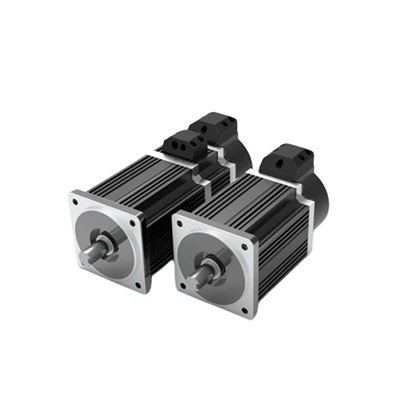
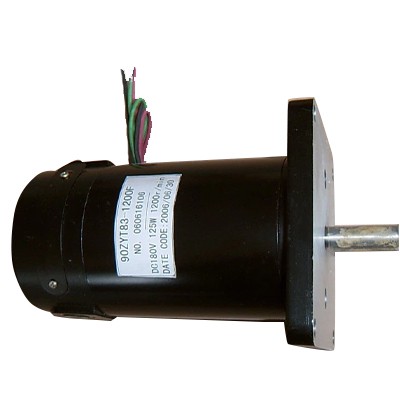
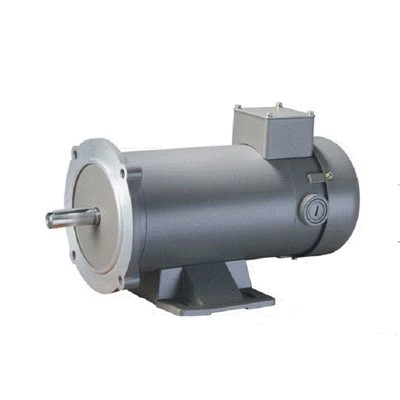
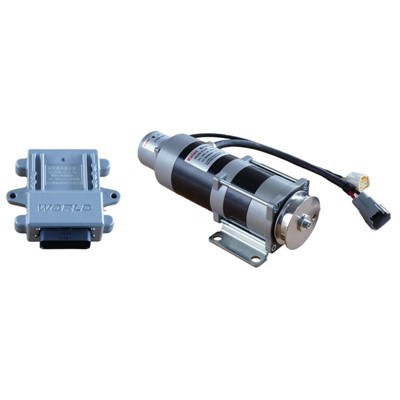
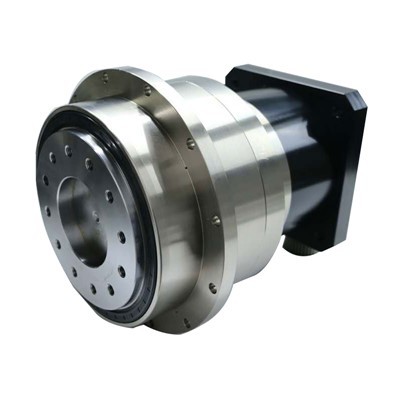
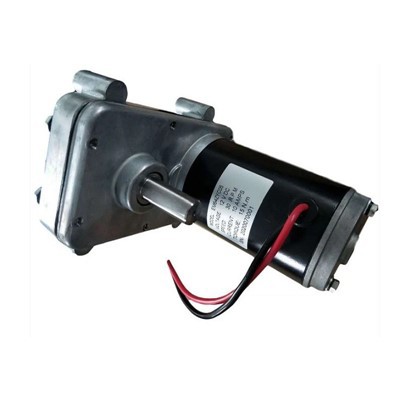
The divide comes down to two distinct worlds: a 380V Servo Motor system built for high-power industrial grids, versus a 48V Servo Motor setup designed for compact, battery-friendly mobility.
Real-World Worries: Efficiency and Budget
When we talk to engineers and plant managers, the anxiety usually boils down to a few core issues:
- Thermal Losses: Running high torque at the wrong voltage creates excess heat, requiring expensive cooling systems.
- Infrastructure Costs: Choosing a 380V Servo Motor when you don't need it forces you into thick, heavily shielded cabling and pricey safety isolation.
- Power Constraints: Deploying a 48V Servo Motor in a high-load scenario results in massive current draw, leading to voltage drops and starved performance.
The Basic Line: 380V AC Grids vs. 48V DC Setups
To get the best cost-per-watt efficiency, you need to understand where the hard line is drawn between these two industrial automation motion control architectures.
| Feature | 380V Servo Motor System | 48V Servo Motor System |
|---|---|---|
| Primary Power Source | 3-phase AC industrial grid | Low-voltage DC battery or switching supply |
| Main Advantage | High rated power output for massive loads | Electrical safety regulations compliance & compact footprint |
| Cabling Requirements | Thinner conductors over long distances | Heavy-duty, thick gauge wire for high current |
| Best Suited For | Fixed heavy-duty industrial robotics & CNC tools | Mobile AGV and AMR power supply setups |
Striking the right balance means looking at your power source availability and your physical space constraints before buying into a specific drive integration footprint.
Understanding 380V Servo Motor Systems: High-Power Industrial Workhorses
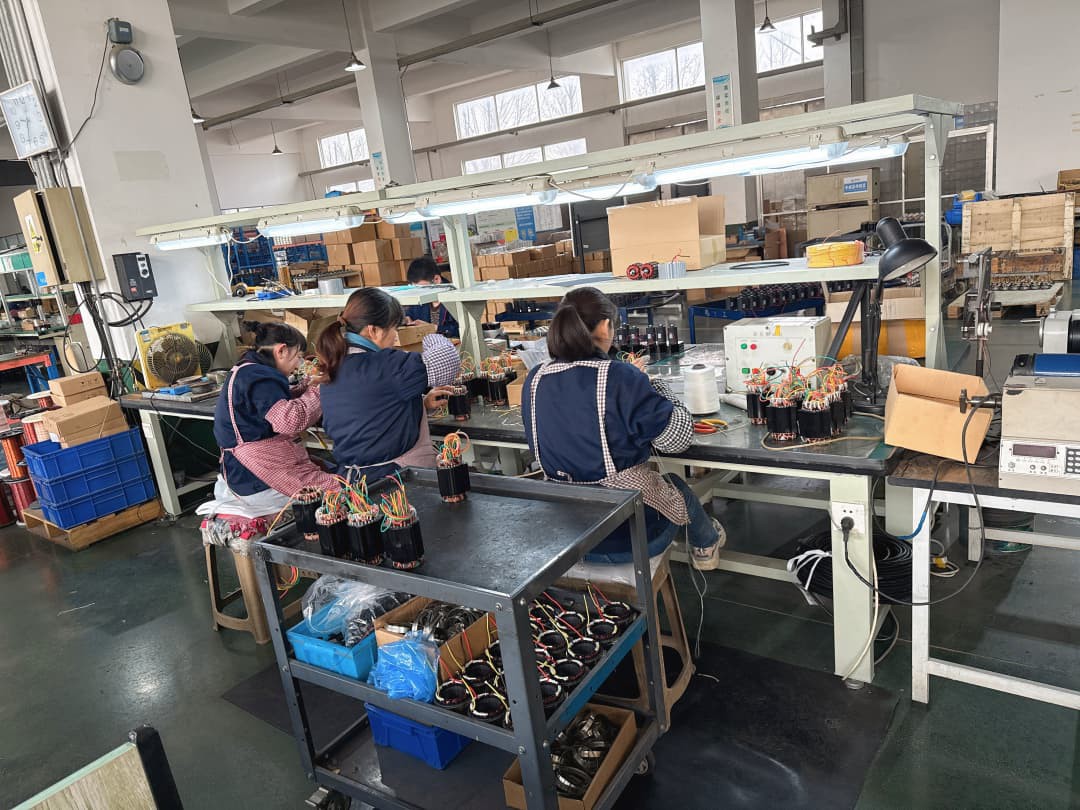
When you are running a heavy-duty factory floor, a 380V servo motor system is the standard for high-performance operation. Operating on a 3-phase AC servo system, these setups are built to handle massive workloads without breaking a sweat, delivering the serious torque and rated power output required by heavy machinery.
Core Characteristics of 3-Phase AC Power
A 380V servo motor relies on three alternating currents to deliver continuous, balanced power. Unlike single-phase or low-voltage DC setups, 3-phase AC power eliminates torque ripple, ensures ultra-smooth rotation, and provides the raw muscle needed for high-capacity industrial automation motion control.
Massive Power Density for Large-Scale Setups
The primary benefit of a high-voltage servo drive architecture is its incredible power density. By utilizing a higher voltage, these motors can output immense torque and maintain high speeds simultaneously. This optimized torque vs. speed characteristics profile allows you to downsize the physical footprint of the motor while still achieving massive kilowatt performance.
Why Higher Voltage Means Thinner, Lighter Cabling
From an engineering and budgeting standpoint, higher voltage is a massive win for your wiring infrastructure. Because electrical current decreases as voltage increases for the same power output, a 380V servo motor draws significantly less current than a low-voltage alternative.
- Smaller cable cross-sections: Thinner, lighter, and more flexible cables.
- Reduced copper costs: Lower upfront material expenses over long cable runs.
- Minimal line losses: Drastically reduced voltage drops across the factory floor.
- Better thermal dissipation: Less heat generation in the delivery lines, protecting your infrastructure.
Typical Applications in the Global Market
These high-voltage systems are the backbone of heavy industry where precision meets raw power. You will find them driving the most demanding automation setups:
- CNC machine tool spindle systems requiring rigid speed control and high torque.
- Heavy-duty industrial robotics managing heavy payloads with millimeter precision.
- Injection molding machines that demand rapid, high-force clamping cycles.
Understanding 48V Servo Motor Systems: Compact, Safe, and Mobile
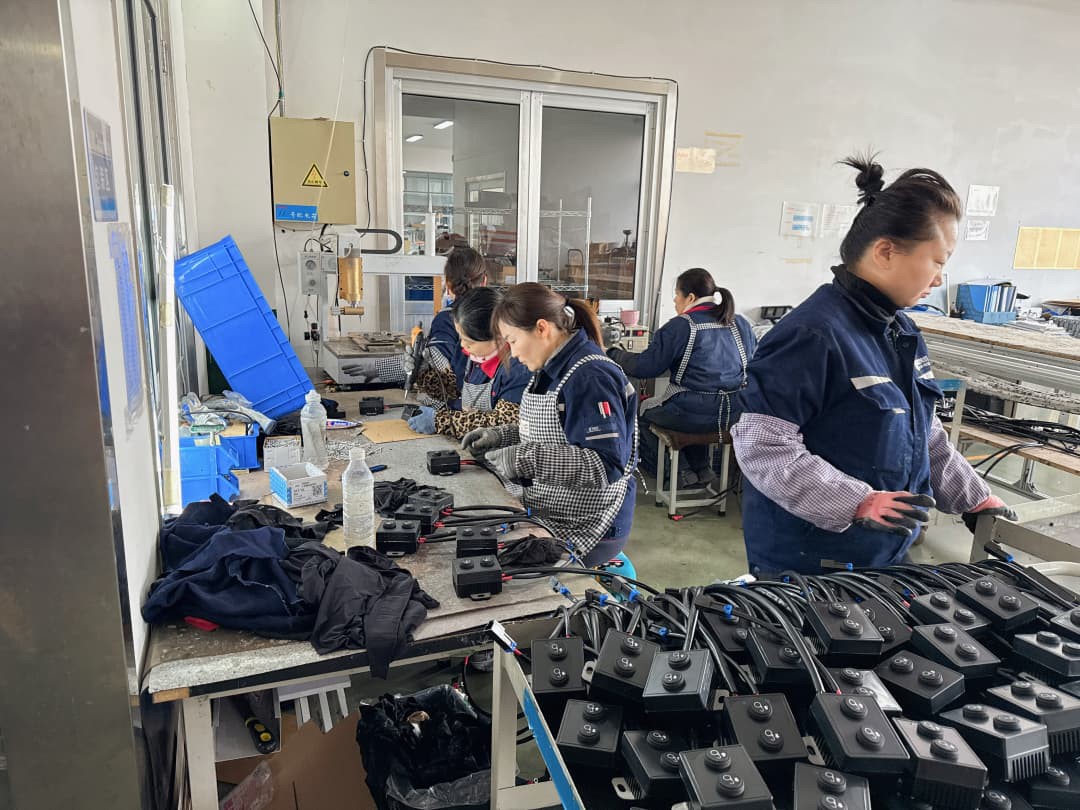
When your design demands mobility and tight space integration, standard high-voltage setups aren't the right fit. That is where the 48V servo motor shines. Operating on low-voltage DC input, these systems rethink what industrial automation motion control can do in tight, dynamic spaces.
Core Characteristics of Low-Voltage DC Input
Unlike high-voltage alternatives, a 48V servo motor relies on a stable low-voltage DC power supply. This architectural difference completely shifts how the motor handles energy, focusing on high current efficiency rather than high voltage stress.
Inherent Electrical Safety and Lower Costs
Safety regulations for low-voltage setups are much less stringent than those for high-voltage systems.
- No Heavy Isolation: You can bypass the expensive isolation barriers and specialized protective housing required by high-voltage grids.
- Human-Centric Zones: Maintenance teams can work around these systems safely, reducing risk during setup and operation.
Compact Drive Integration Footprint
Space is at a premium in modern automation. The low-voltage design allows for an exceptionally small drive integration footprint.
- Integrated Motor-Drive Designs: By combining the drive and the motor into a single unified package, you eliminate external drive cabinets.
- Reduced Cabling: Fewer cables mean less clutter, lighter machines, and fewer points of failure.
Maximum Battery Efficiency for AGVs and AMRs
For mobile robotics, energy conservation is everything. A 48V low-voltage DC servo motor provides a direct match for standard AGV and AMR power supply configurations.
- Zero DC-DC Losses: Power flows directly from the battery pack to the low-voltage DC servo motor without requiring inefficient voltage converters.
- Extended Run Times: Eliminating conversion losses means your mobile robots stay on the floor longer per charge, maximizing total cost-of-ownership efficiency.
Technical Head-to-Head: 380V Servo Motor vs. 48V Servo Motor
When comparing a 380V servo motor to a 48V servo motor, the choice comes down to raw power versus agile efficiency. They operate on completely different performance curves, requiring distinct infrastructure and thermal management strategies.
Power and Torque Profiles
- 380V Servo Systems: Built for the kilowatt spectrum. High-voltage architecture allows these motors to deliver massive torque at high speeds without drawing excessive current. They maintain a flat torque curve deep into high-RPM ranges, making them ideal for heavy-duty industrial automation motion control.
- 48V Servo Systems: Engineered for low-voltage DC servo motor applications. While they offer exceptional peak torque at startup, their rated power output generally caps off around 750W to 1.5kW. Speed capability is limited by the lower DC bus voltage.
System Infrastructure and Cabling
- Heavy-Duty Cabling (380V): Requires thick, heavily insulated, and shielded cables to safely handle high-voltage spikes and comply with strict electrical safety regulations.
- Flexible Cabling (48V): Low voltage means thinner, highly flexible cables. This significantly reduces the drive integration footprint and allows for tight routing in moving applications like robotics.
Thermal Dissipation and Heat Management
- High-Voltage Thermal Dynamics: 380V systems generate heat primarily from core losses during high-speed rotation. They rely on robust cooling fins or forced-air systems.
- High-Current Thermal Dynamics: 48V systems generate $I^2R$ copper losses due to high current draw. Excellent thermal dissipation in servo motors at low voltage is critical to prevent winding burnout during heavy duty cycles.
Quick-Reference Breakdown Matrix
| Performance Metric | 380V Servo Motor System | 48V Servo Motor System |
|---|---|---|
| Primary Power Source | 3-phase AC servo system | Battery-operated motion systems / DC Bench |
| Typical Power Range | 1kW to 50kW+ | 50W to 1.5kW |
| Torque vs. Speed Characteristics | High torque maintained at high RPM | High initial torque; drops at high RPM |
| Cable Management | Heavy, rigid, shielded HV cables | Thin, high-flexibility LV cables |
| Footprint & Weight | Larger motor and detached drive | Compact, often integrated motor-drive |
| Cost-per-Watt Efficiency | High in heavy industrial scales | High in low-power, mobile scales |
Choosing Between a 380V Servo Motor and a 48V Servo Motor
Selecting the right voltage architecture comes down to your operational environment, safety goals, and budget. We look at four critical decision factors to determine whether a 380V Servo Motor or a 48V Servo Motor fits your application.
Power Source Availability
- Fixed Factory Grid: If your facility runs on standard 3-phase AC power, a 380V servo motor integrates directly with your existing infrastructure without needing massive step-down transformers.
- Battery-Operated Mobility: For mobile platforms, a 48V servo motor connects straight to DC battery banks, eliminating the DC-AC conversion losses that drain mobile runtime.
Space and Weight Constraints
- High Power Density, Large Footprint: 380V systems handle massive workloads but require separate, bulky electrical cabinets to house the high-voltage servo drive.
- Compact Integration: 48V setups excel in tight spaces. The lower voltage allows for a minimized drive integration footprint, often combining the motor and drive into a single, lightweight unit.
Compliance and Safety Regulations
- Isolated Industrial Cells: 380V systems carry strict high-voltage compliance mandates, requiring protective shielding, specialized conduits, and isolated cages to keep operators safe.
- Human-Centric Zones: 48V systems fall under safe low-voltage DC thresholds. This simplifies electrical safety regulations, making them ideal for collaborative workspaces where humans interact closely with machinery.
Decision Matrix: 380V vs. 48V
| Decision Factor | 380V Servo Motor System | 48V Servo Motor System |
|---|---|---|
| Primary Power Source | 3-phase AC factory grid | Battery bank / Low-voltage DC supply |
| Installation Footprint | Large (requires dedicated electrical cabinet) | Ultra-compact (supports integrated drive designs) |
| Safety Requirements | High isolation, rigid conduits, strict HV compliance | Inherent low-voltage safety, flexible routing |
| Best-Fit Application | Heavy-duty industrial robotics, CNC machine tools | AGV and AMR power supply, collaborative arms |
| Cost-Per-Watt Efficiency | High in the kilowatt spectrum | High in low-power, mobile applications |

FAQs About 380V Servo Motor and 48V Servo Motor Systems
Can I run a 48V servo motor on a 380V factory line?
Yes, but you cannot connect it directly. A 48V servo motor requires a low-voltage DC power supply, whereas a 380V factory line delivers high-voltage 3-phase AC power. To bridge this gap, you must install a dedicated switch-mode power supply (SMPS) or a step-down transformer paired with a rectifier. This setup converts the 380V servo motor line power down to the regulated 48V DC required by the low-voltage drive.
Which voltage handles bus voltage fluctuations better?
The 380V servo motor system inherently handles bus voltage fluctuations better in large-scale industrial automation motion control.
- 380V Systems: Operate on a much wider voltage margin. A drop of 10V to 20V on a high-voltage bus barely impacts the torque vs. speed characteristics.
- 48V Systems: Have a very tight voltage ceiling. Because battery-operated motion systems experience voltage drops as they discharge, even a small 4V to 5V fluctuation can drastically reduce the top speed and rated power output of a low-voltage DC servo motor.
What are the thermal dissipation differences under heavy duty cycles?
The core difference comes down to current versus voltage. Managing thermal dissipation in servo motors requires different strategies depending on the architecture:
| Feature | 380V Servo System | 48V Servo System |
|---|---|---|
| Primary Heat Source | Switching losses in the high-voltage servo drive. | $I^2R$ copper losses (heat from high current) in the motor windings. |
| Current Draw | Low current, high voltage. | High current, low voltage. |
| Thermal Profile | Runs cooler at the motor level during heavy duty cycles; easier to manage over long periods. | Generates significant heat quickly under heavy loads, requiring optimized cooling or a larger drive integration footprint to prevent overheating. |