
Hey there, motor enthusiasts! As a supplier of Bldc Permanent Magnet Motors, I've seen my fair share of issues with these nifty devices. In this blog post, I'm gonna walk you through the common failures of a Bldc Permanent Magnet Motor and how to troubleshoot them.
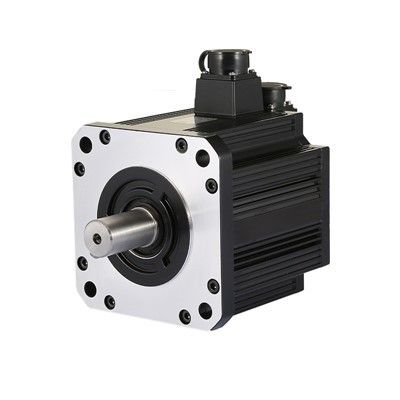
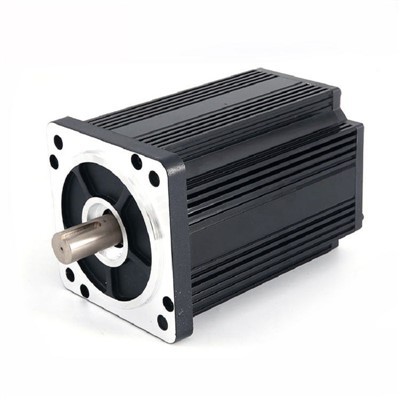
Let's start by quickly introducing what a Bldc Permanent Magnet Motor is. It's a type of motor that uses permanent magnets on the rotor and electronic commutation instead of brushes. This design gives it a bunch of advantages like high efficiency, low maintenance, and good speed control. Our Bldc Permanent Magnet Motor is a prime example of this technology and is widely used in various applications.
Common Failures and Troubleshooting
1. Overheating
The motor getting too hot is a super common problem. There are a few reasons why this might happen.
Cause:
- Overloading: If you're asking the motor to do more work than it's rated for, it'll start to heat up. For example, using a small 48v 3000w Brushless Motor to drive a heavy load.
- Poor ventilation: If the motor is installed in a place where there's not enough airflow, the heat can't escape.
- Electrical issues: High current due to short - circuits or improper wiring can also lead to overheating.
Troubleshooting:
First off, check the load. Make sure it's within the motor's rated capacity. If it's too much, you might need to upgrade to a more powerful motor. Then, look at the ventilation. Is there enough space around the motor? You could add fans or heat sinks if needed. For electrical issues, use a multimeter to check for short - circuits in the wiring and connections.
2. Noisy Operation
A noisy motor can be really annoying and might also indicate an underlying problem.
Cause:
- Bearing wear: Over time, the bearings in the motor can wear out, causing a grinding or rattling noise.
- Unbalanced rotor: If the rotor isn't balanced properly, it can cause vibrations and noise during operation.
- Loose parts: Sometimes, bolts or other components can come loose, creating a rattling sound.
Troubleshooting:
For bearing wear, you can try lubricating the bearings if possible. If they're severely worn, you'll have to replace them. To check for an unbalanced rotor, you might need some specialized equipment, but it's usually best to let a professional handle it. Check all the bolts and screws on the motor and tighten them up if they're loose.
3. Stalling or Erratic Speed
When the motor stalls or its speed keeps changing randomly, it can be a real headache.


Cause:
- Controller issues: The Intelligent Brushless Motor Controller might be malfunctioning. This could be due to software glitches, electrical shorts, or overheating.
- Sensor problems: In a Bldc motor, sensors are used to detect the position of the rotor. If these sensors aren't working properly, the motor might not run smoothly.
- Power supply fluctuations: Unstable voltage or current from the power source can cause the motor to stall or change speed erratically.
Troubleshooting:
Start by checking the controller. Look for any visible signs of damage, like burned components. You can also try resetting it. For sensor issues, test the sensors using a diagnostic tool. If they're faulty, replace them. Use a power meter to check the power supply. Make sure the voltage and current are within the motor's specified range. If there are fluctuations, you might need a more stable power source.
4. Lack of Torque
If the motor isn't producing enough torque, it won't be able to do its job effectively.
Cause:
- Under - voltage: If the voltage supplied to the motor is too low, it'll reduce the torque output.
- Weak magnets: Over time, the permanent magnets in the motor can lose their strength, resulting in less torque.
- Motor aging: As the motor gets older, its performance can degrade, including the torque output.
Troubleshooting:
Check the voltage of the power supply. If it's too low, you can either increase it (as long as it's within the motor's rated voltage) or use a voltage stabilizer. To check if the magnets are weak, you'll need some specialized equipment. In some cases, you might be able to replace the magnets. For an aging motor, you might have to consider getting a new one.
5. Electrical Problems
There can be all sorts of electrical issues with a Bldc Permanent Magnet Motor.
Cause:
- Short - circuits: This can happen due to damaged insulation, loose wires, or moisture in the motor.
- Open circuits: A break in the wiring can prevent the current from flowing properly.
- Ground faults: When the motor's electrical system comes in contact with the ground, it can cause problems.
Troubleshooting:
Use a multimeter to check for short - circuits, open circuits, and ground faults. Inspect the wiring for any signs of damage. If you find any damaged wires, replace them. Make sure the insulation is in good condition. If there's moisture in the motor, you'll need to dry it out and find the source of the moisture to prevent it from happening again.
Conclusion
As you can see, there are several common failures that can occur with a Bldc Permanent Magnet Motor, but most of them can be troubleshooted. Whether it's overheating, noisy operation, stalling, lack of torque, or electrical problems, a bit of detective work and some basic tools can often get your motor up and running again.
If you're having persistent problems with your Bldc Permanent Magnet Motor or you're looking to purchase a new one, Permanent Magnet Brushless Dc Motor or High Speed Brushless Motor, don't hesitate to reach out to us. We're here to help you find the right solution for your needs and get your applications running smoothly.
References
- Handbook of Brushless Permanent - Magnet Motors
- Electric Motor Repair Manual