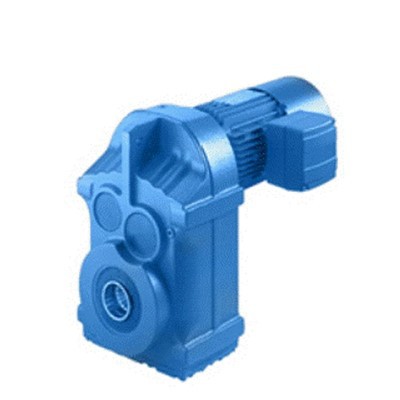

Ensuring the safety of gear motor operation is a critical aspect that impacts not only the longevity of the equipment but also the well - being of the operators and the efficiency of the entire industrial process. As a gear motor supplier, I have witnessed firsthand the consequences of overlooking safety measures. In this blog, I will share some key strategies to ensure the safe operation of gear motors.
1. Proper Installation
The first step in guaranteeing the safety of gear motor operation is proper installation. Incorrect installation can lead to excessive vibration, misalignment, and premature wear of components.
- Alignment: Precise alignment of the motor and the driven equipment is crucial. Misalignment can cause uneven loading on the gears and bearings, leading to increased stress and potential failure. For instance, if the shafts of the motor and a Parallel Shaft Geared Motor are not properly aligned, it can result in noise, vibration, and reduced efficiency. Use laser alignment tools to ensure accurate shaft alignment within the specified tolerances.
- Mounting: Ensure that the gear motor is securely mounted on a stable surface. Loose mounting can cause the motor to move during operation, which may result in damage to the motor and surrounding equipment. Use appropriate mounting brackets and fasteners, and follow the manufacturer's guidelines for torque values.
2. Regular Maintenance
Regular maintenance is essential to keep gear motors operating safely and efficiently.
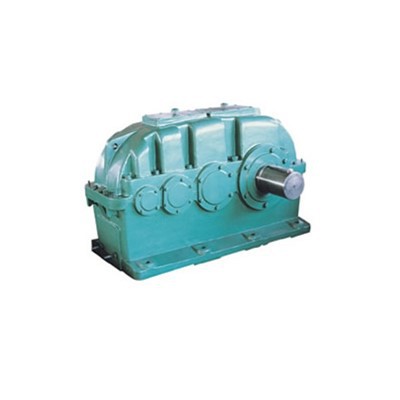
- Lubrication: Proper lubrication reduces friction between the gears and bearings, preventing overheating and wear. Different types of gear motors, such as Industrial Gear Boxes, may require different lubricants and lubrication intervals. Check the lubricant level regularly and replace it according to the manufacturer's recommendations.
- Inspection: Conduct regular visual inspections of the gear motor components. Look for signs of wear, such as chipped gears, cracked housings, or leaking seals. Check for loose connections, frayed wires, and abnormal noise or vibration during operation. If any issues are detected, address them immediately to prevent further damage.
- Cleaning: Keep the gear motor clean to prevent the accumulation of dirt, dust, and debris. A dirty motor can overheat, and contaminants can damage the internal components. Use compressed air or a soft brush to clean the motor regularly.
3. Electrical Safety
Gear motors are powered by electricity, so electrical safety is of utmost importance.
- Proper Wiring: Ensure that the electrical wiring is installed correctly and meets all relevant electrical codes. Use the appropriate wire gauge for the motor's current requirements, and make sure all connections are tight and secure. Loose or incorrect wiring can cause electrical shorts, fires, or damage to the motor.
- Grounding: Proper grounding is necessary to protect against electrical shock. Connect the gear motor to a reliable ground source according to the electrical installation standards. This helps to divert any stray electrical currents safely to the ground.
- Overload Protection: Install overload protection devices, such as fuses or circuit breakers, to prevent the motor from drawing excessive current. Overloading can cause the motor to overheat, which may lead to insulation breakdown and motor failure.
4. Operator Training
Well - trained operators are a key factor in ensuring the safety of gear motor operation.

- Operation Procedures: Provide operators with comprehensive training on the proper operation procedures of the gear motor. This includes starting and stopping the motor correctly, adjusting speed and torque settings, and understanding the control panel functions.
- Safety Awareness: Train operators on safety awareness, such as the potential hazards associated with gear motor operation, the use of personal protective equipment (PPE), and emergency shutdown procedures. Operators should be aware of the risks of getting caught in moving parts, electrical shock, and exposure to high - temperature components.
- Troubleshooting: Teach operators basic troubleshooting skills so that they can identify and address minor issues before they escalate. For example, they should know how to recognize abnormal noise or vibration and when to shut down the motor safely.
5. Environmental Considerations
The operating environment can have a significant impact on the safety and performance of gear motors.
- Temperature and Humidity: Gear motors are designed to operate within specific temperature and humidity ranges. High temperatures can cause the lubricant to break down and the motor to overheat, while high humidity can lead to corrosion of the components. If the operating environment is outside the recommended range, consider using additional cooling or heating equipment and moisture - resistant enclosures.
- Dust and Chemicals: In environments with high levels of dust or chemicals, the gear motor may be at risk of damage. Use dust - proof and chemical - resistant enclosures to protect the motor from contaminants. Additionally, ensure proper ventilation to prevent the accumulation of harmful gases.
6. Monitoring and Control
Implementing a monitoring and control system can help detect potential problems early and ensure the safe operation of gear motors.
- Sensor Technology: Use sensors to monitor key parameters of the gear motor, such as temperature, vibration, and current. These sensors can provide real - time data that can be used to detect abnormal conditions and trigger alarms or shutdowns if necessary.
- Remote Monitoring: Remote monitoring systems allow operators to monitor the gear motor's performance from a distance. This is particularly useful for large industrial facilities or in situations where the motor is located in a hazardous or hard - to - reach area. By remotely accessing the motor's data, operators can make informed decisions and take timely action to prevent failures.
7. Compatibility and Rating
Ensure that the gear motor is compatible with the driven equipment and is appropriately rated for the application.
- Torque and Speed Requirements: Select a gear motor with the appropriate torque and speed ratings to meet the requirements of the driven equipment. Using a motor with insufficient torque or speed can cause the motor to overwork and fail, while using a motor with excessive ratings can be wasteful and may also lead to problems.
- Load Characteristics: Consider the load characteristics of the application, such as whether it is a constant or variable load, and whether there are any sudden starts or stops. The gear motor should be able to handle these load variations without overheating or experiencing mechanical stress.
Contact for Procurement
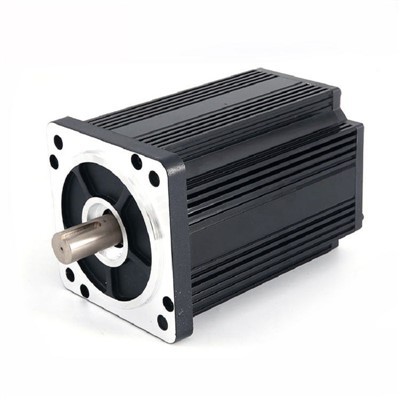
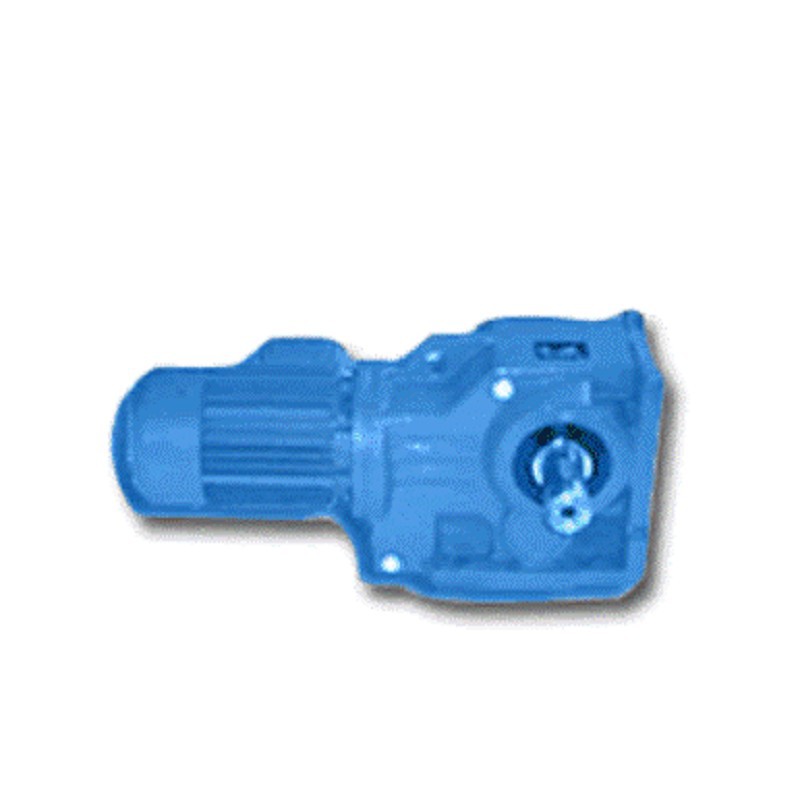
If you are interested in our high - quality gear motors, including Bevel Geared Motor, 12v Dc Gear Motor High Torque, and Helical Bevel Gear Reducer, and want to discuss your specific requirements for a safe and efficient operation, please feel free to reach out. Our team of experts is ready to assist you in selecting the right gear motor and providing technical support throughout your procurement process.
References
- Machinery's Handbook, 31st Edition. Industrial Press Inc.
- Electrical Installation Standards, National Fire Protection Association.
- Gear Motor Manufacturer's Manuals and Technical Documentation.