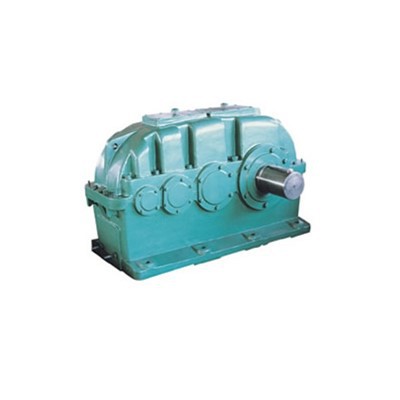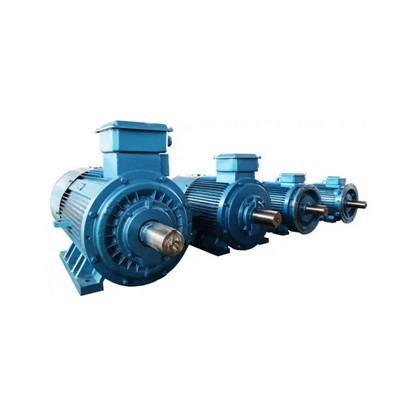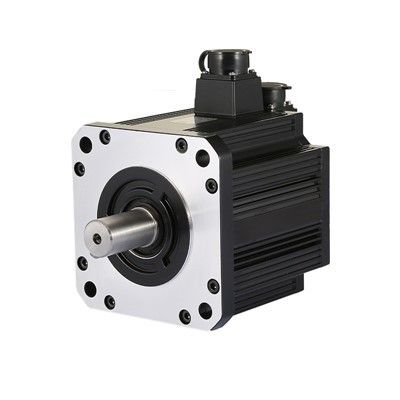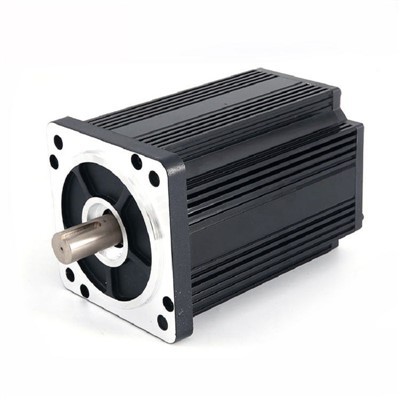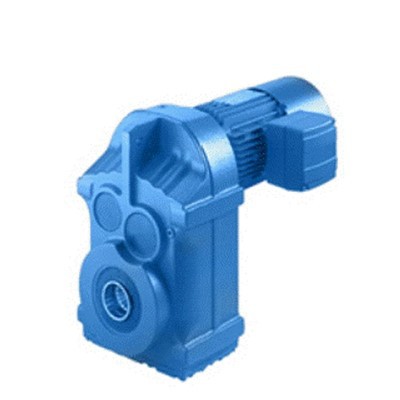

An electric reluctance motor is a unique and fascinating type of electric motor that operates based on the principle of magnetic reluctance. In this blog post, we'll delve deep into its workings, advantages, applications, and more. As a leading supplier of electric reluctance motors, we're excited to share our knowledge and expertise in this area.
Understanding the Basics of Electric Reluctance
Before we jump into the details of the motor, it's essential to understand the concept of magnetic reluctance. Reluctance is analogous to resistance in an electrical circuit but in the magnetic domain. It represents the opposition to the formation of magnetic flux in a magnetic circuit. Just as an electrical circuit tries to minimize resistance to allow the flow of current easily, a magnetic circuit tends to minimize reluctance to let magnetic flux pass through.
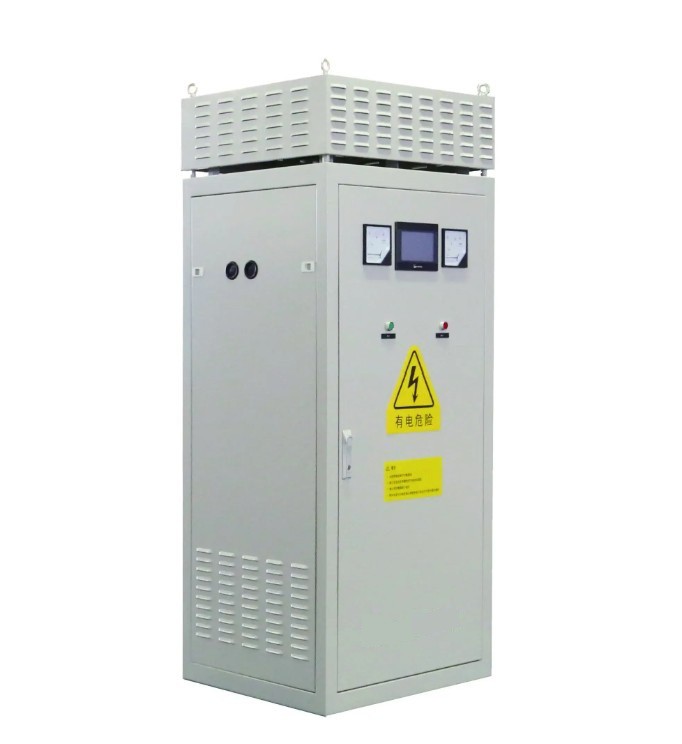

How an Electric Reluctance Motor Works
An Electric Reluctance Motor consists of a stator and a rotor. The stator is the stationary part of the motor and typically has windings that produce a magnetic field when an electric current is passed through them. The rotor, on the other hand, is the rotating part and is made of a ferromagnetic material with salient poles.
When the stator windings are energized, a magnetic field is created. The rotor, being made of ferromagnetic material, tries to align itself with this magnetic field to minimize the magnetic reluctance. As the stator windings are sequentially energized, the magnetic field rotates, and the rotor follows suit, resulting in rotational motion.
One of the most common types of electric reluctance motors is the switched reluctance motor (SRM). In an SRM, the stator windings are switched on and off in a specific sequence to generate the rotating magnetic field. The control of these switches is crucial for the smooth operation of the motor. For more information on SRM drives, you can visit our Srm Drives page.
Advantages of Electric Reluctance Motors
There are several advantages that make electric reluctance motors an attractive choice in various applications:
- Simple Construction: The construction of reluctance motors is relatively simple. They don't have brushes or permanent magnets, which reduces the complexity and cost of manufacturing.
- High Efficiency: These motors can achieve high levels of efficiency, especially at high speeds. The lack of brushes also means reduced frictional losses, contributing to the overall efficiency.
- Robustness: Without brushes and permanent magnets, electric reluctance motors are more robust and require less maintenance. They can operate in harsh environments, such as high temperatures and dusty conditions.
- Variable Speed Operation: Reluctance motors can easily be controlled to operate at variable speeds. This makes them suitable for applications where speed control is crucial, such as in industrial machinery and electric vehicles.
Applications of Electric Reluctance Motors
Due to their numerous advantages, electric reluctance motors find applications in a wide range of industries:
- Industrial Applications: In industrial settings, reluctance motors are used in conveyor systems, pumps, compressors, and machine tools. Their variable speed operation and high efficiency make them ideal for these applications, where energy savings and precise control are essential.
- Automotive Industry: Electric vehicles are increasingly using reluctance motors, either alone or in combination with other types of motors. The high efficiency and robustness of these motors contribute to the overall performance and range of electric vehicles.
- Home Appliances: Many home appliances, such as refrigerators, washing machines, and fans, use electric reluctance motors. Their simple construction and low cost make them a popular choice for these consumer products.
Axial Flux Reluctance Motor
An Axial Flux Reluctance Motor is a special type of electric reluctance motor. Unlike traditional radial flux motors, where the magnetic flux flows radially, in an axial flux motor, the magnetic flux flows axially. This design offers several advantages, including a more compact size and higher power density. Axial flux reluctance motors are finding applications in electric vehicles, wind turbines, and aerospace systems.
Reluctance Electric Motor in the Market
The Reluctance Electric Motor market is growing steadily as more industries recognize the benefits of these motors. With the increasing demand for energy-efficient and reliable motor solutions, electric reluctance motors are expected to play a significant role in the future of the electric motor industry.
As a supplier of electric reluctance motors, we offer a wide range of products to meet the diverse needs of our customers. Our motors are designed and manufactured to the highest standards, ensuring high performance and reliability. Whether you need a motor for a small home appliance or a large industrial application, we have the right solution for you.
Why Choose Our Electric Reluctance Motors
- Quality Assurance: We have a strict quality control system in place to ensure that every motor we produce meets the highest quality standards. Our motors undergo rigorous testing before they are shipped to our customers.
- Customization: We understand that different applications have different requirements. That's why we offer customized solutions to meet the specific needs of our customers. Our team of experts can work with you to design and develop a motor that is tailored to your application.
- Technical Support: We provide comprehensive technical support to our customers. Whether you need help with installation, operation, or maintenance of our motors, our technical team is always ready to assist you.
Contact Us for Your Electric Reluctance Motor Needs
If you're in the market for an A Reluctance Motor or have any questions about our products, we'd love to hear from you. Our team of experts is available to discuss your requirements and provide you with the best solutions. Contact us today to start a conversation about how our electric reluctance motors can benefit your application.
References
- Chapman, S. J. (2012). Electric Machinery Fundamentals. McGraw-Hill.
- Krause, P. C., Wasynczuk, O., & Sudhoff, S. D. (2013). Analysis of Electric Machinery and Drive Systems. Wiley.