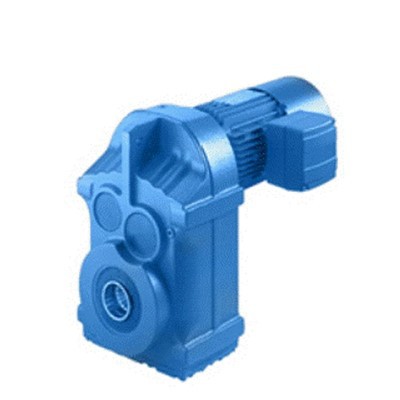

When it comes to aerospace applications, the choice of components is critical. Every part must meet stringent requirements for performance, reliability, and safety. One such component that has been a topic of discussion is the plastic helical gearbox. As a plastic helical gearbox supplier, I've delved deep into the feasibility of using these gearboxes in aerospace settings.
The Basics of Plastic Helical Gearboxes
Plastic helical gearboxes are known for their quiet operation, high efficiency, and relatively low cost compared to their metal counterparts. The helical design of the gears allows for smooth and continuous engagement, which reduces noise and vibration. This is particularly beneficial in applications where noise reduction is a priority. The use of plastic materials also offers advantages such as corrosion resistance, lightweight, and self - lubrication in some cases.
Advantages in Aerospace Applications
Weight Reduction
Weight is a crucial factor in aerospace. Every extra pound can increase fuel consumption and limit the payload capacity. Plastic helical gearboxes are significantly lighter than traditional metal gearboxes. This weight reduction can lead to substantial savings in fuel costs over the lifespan of an aircraft or spacecraft. For example, in small unmanned aerial vehicles (UAVs), where weight is a major constraint, the use of plastic helical gearboxes can extend flight times and improve overall performance.
Corrosion Resistance
Aerospace environments can be harsh, with exposure to moisture, chemicals, and extreme temperatures. Plastic materials are inherently corrosion - resistant, which means that plastic helical gearboxes can withstand these conditions without the need for additional protective coatings. This not only reduces maintenance requirements but also increases the lifespan of the gearbox.
Noise Reduction
In the aerospace industry, noise can be a significant issue. Excessive noise can cause discomfort to passengers and crew, and it can also interfere with sensitive electronic equipment. The smooth operation of plastic helical gearboxes results in lower noise levels compared to metal gearboxes. This is especially important in applications such as cabin ventilation systems and small actuators.
Challenges in Aerospace Applications
Temperature Resistance
Aerospace applications often involve extreme temperature variations. Plastic materials may have limited temperature resistance compared to metals. At high temperatures, plastics can soften, deform, or even melt, which can lead to gear failure. However, advancements in plastic technology have led to the development of high - temperature - resistant plastics that can withstand the temperature ranges typically encountered in aerospace applications.
Load Capacity
The load - carrying capacity of plastic helical gearboxes is generally lower than that of metal gearboxes. In aerospace, there are many high - torque applications, such as landing gear systems and engine control mechanisms, where the load requirements are extremely high. While plastic gearboxes can be designed to handle moderate loads, they may not be suitable for the most demanding aerospace applications.
Durability and Wear Resistance
Although plastic materials can offer self - lubrication, they may not be as durable as metals in high - stress applications. The wear rate of plastic gears can be higher, especially under heavy loads and high - speed operation. This can lead to a shorter service life and more frequent replacement of the gearbox.
Case Studies and Real - World Applications
There have been some successful applications of plastic helical gearboxes in aerospace. For example, in some small UAVs, plastic gearboxes are used in the control surfaces and propulsion systems. These applications typically have lower load requirements and can benefit from the weight and cost advantages of plastic gearboxes.
In addition, some aerospace companies are exploring the use of plastic helical gearboxes in secondary systems, such as cabin lighting and entertainment systems. These systems do not require high - torque operation and can take advantage of the noise - reduction and corrosion - resistance properties of plastic gearboxes.
Comparison with Other Gearbox Types
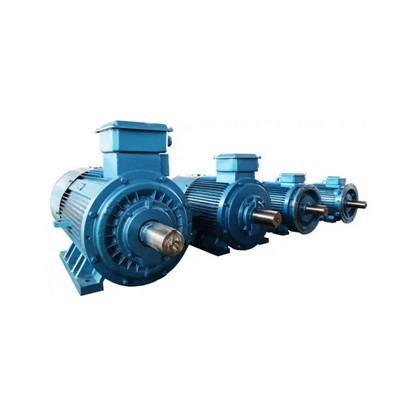
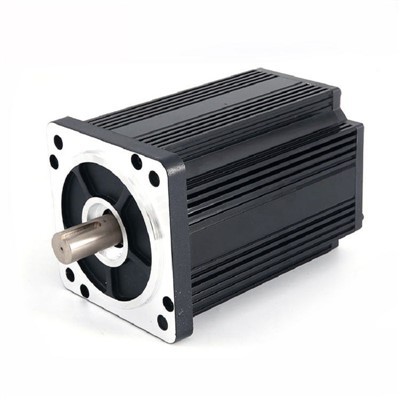
When considering plastic helical gearboxes for aerospace applications, it's important to compare them with other types of gearboxes. For instance, Parallel Shaft Geared Motor are commonly used in industrial applications and can also be found in some aerospace systems. They offer high torque and efficiency but are generally heavier and more expensive than plastic helical gearboxes.
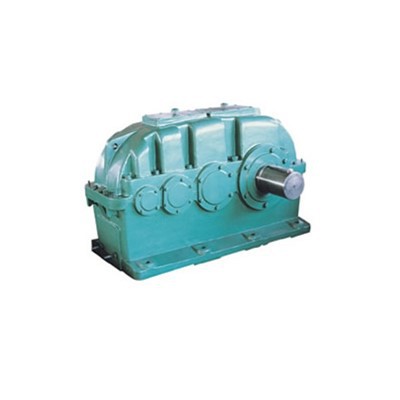
Reducer Transmission are designed to reduce the speed and increase the torque of a motor. They are often made of metal and can handle high - load applications. However, they may not be as suitable for applications where weight and noise are major concerns.
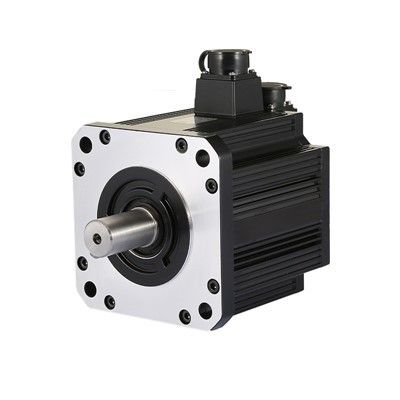
Bevel Geared Motor are used when the direction of the shaft needs to be changed. They are typically made of metal and can provide high - torque transmission. Plastic helical gearboxes may not be able to match the performance of bevel geared motors in high - torque, directional - change applications.
Inline Helical Gear Reducer are similar to plastic helical gearboxes in terms of the helical gear design. However, they are usually made of metal and offer higher load - carrying capacity.
Heavy Duty Gearbox are designed for the most demanding applications. They are made of robust materials and can handle extremely high loads. Plastic helical gearboxes are not a direct replacement for heavy - duty gearboxes but can be used in less demanding aerospace applications.
Future Outlook
The future of plastic helical gearboxes in aerospace looks promising. With ongoing research and development in plastic materials, it's likely that the temperature resistance, load capacity, and durability of plastic gearboxes will continue to improve. This will open up more opportunities for their use in aerospace applications.
As an aerospace industry moves towards more lightweight and energy - efficient designs, plastic helical gearboxes could play an increasingly important role. They could be used in a wider range of applications, from small UAVs to larger commercial aircraft.
Conclusion
In conclusion, while plastic helical gearboxes have some limitations in aerospace applications, they also offer significant advantages such as weight reduction, corrosion resistance, and noise reduction. They are suitable for certain aerospace applications, especially those with lower load requirements and where weight and noise are major concerns.
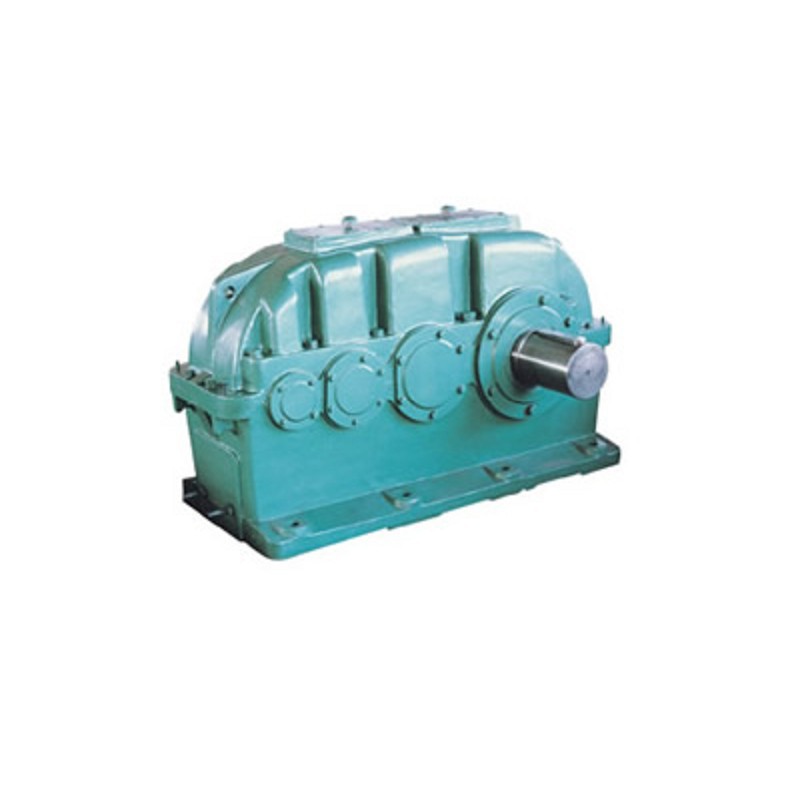
If you are in the aerospace industry and are considering the use of plastic helical gearboxes, I encourage you to reach out for a detailed discussion. We can provide you with more information about our products, their performance, and how they can be tailored to your specific needs. Contact us to start a procurement discussion.
References
- "Aerospace Materials Handbook" by ASM International
- "Gear Design and Application" by Dudley, D. W.
- "Plastic Materials in Engineering" by Brydson, J. A.