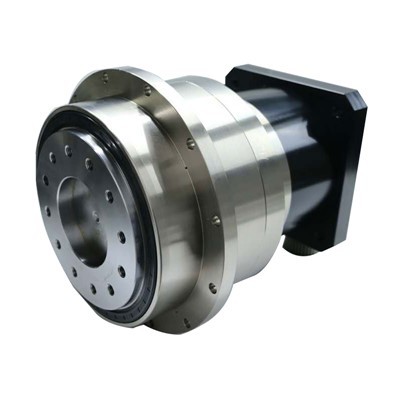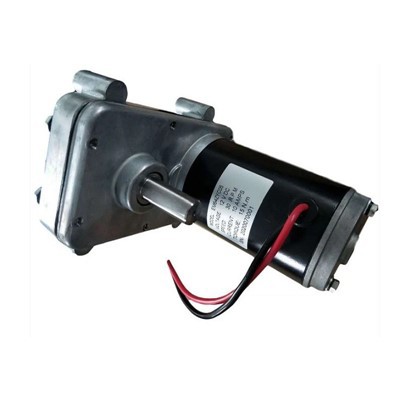
Modern industries demand motors that are more efficient, reliable, and intelligent than ever before.
From industrial automation and robotics to electric vehicles and medical equipment, traditional brushed motors are increasingly being replaced by Permanent Magnet Brushless DC Motors (PMBLDC Motors).
Known for their high efficiency, long service life, and precise speed control, PMBLDC motors have become a preferred solution for engineers seeking superior motion control and energy savings.
This guide explains everything you need to know about Permanent Magnet Brushless DC Motors, including their working principles, advantages, applications, and key factors to consider when selecting the right motor for your project.
What Is a Permanent Magnet Brushless DC Motor?
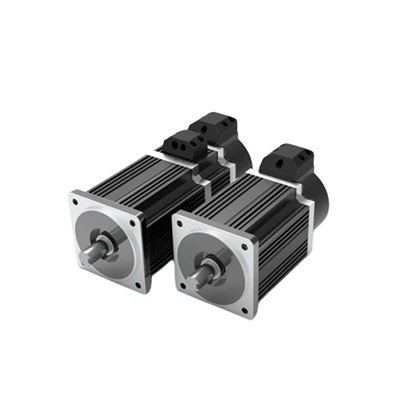
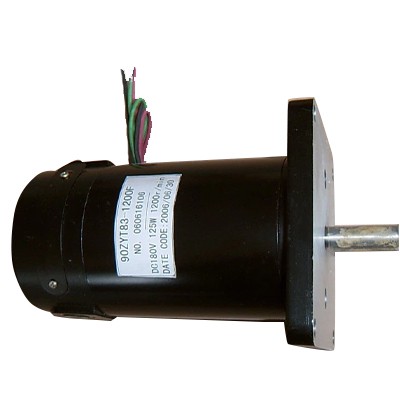
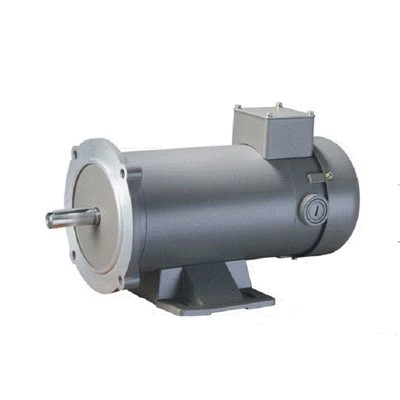
A Permanent Magnet Brushless DC Motor (PMBLDC Motor) is an electric motor that uses permanent magnets on the rotor and electronic commutation instead of mechanical brushes.
Unlike traditional brushed DC motors, a PMBLDC motor does not rely on physical contact between brushes and a commutator to switch current.
Instead, an electronic controller continuously monitors rotor position and energizes the stator windings in the correct sequence.
This design significantly improves efficiency, reliability, and operating life.
A typical PMBLDC motor consists of:
- Permanent magnet rotor
- Stator with wound coils
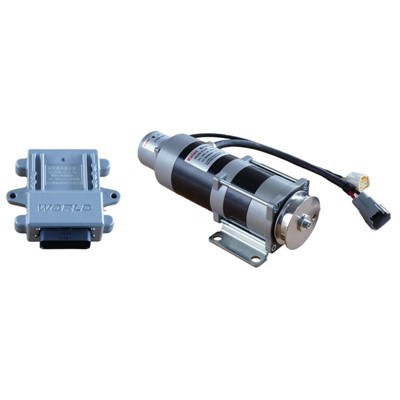
- Electronic controller
- Position sensors or sensorless control system
- Bearings and motor housing
Because there are no brushes to wear out, PMBLDC motors require far less maintenance than conventional DC motors.
How Does a Permanent Magnet Brushless DC Motor Work?
The operating principle of a PMBLDC motor is based on electromagnetic interaction between the stator and the permanent magnets mounted on the rotor.
Step 1: Electronic Controller Receives Input
The controller receives commands for:
- Speed
- Direction
- Torque
These commands may come from:
- PLC systems
- Motion controllers
- Embedded control boards
- Industrial automation systems
Step 2: Rotor Position Detection
Hall-effect sensors or sensorless algorithms determine the rotor position in real time.
Accurate position feedback ensures precise commutation.
Step 3: Sequential Energizing of Stator Windings
The controller energizes the stator coils in a specific sequence.
This creates a rotating magnetic field.
Step 4: Rotor Follows Magnetic Field
The permanent magnets on the rotor align with the rotating magnetic field generated by the stator.
The result is smooth rotational motion with minimal energy loss.
Because no brushes are involved, friction and electrical arcing are virtually eliminated.
Key Components of a PMBLDC Motor
Permanent Magnet Rotor
The rotor contains high-performance permanent magnets such as:
- Neodymium Iron Boron (NdFeB)
- Samarium Cobalt (SmCo)
These materials generate strong magnetic fields while maintaining compact dimensions.
Stator Windings
Copper windings inside the stator generate electromagnetic fields when energized.
The quality of winding design directly affects:
- Efficiency
- Torque density
- Heat generation
Electronic Drive
The drive acts as the motor's brain.
Its functions include:
- Commutation
- Speed regulation
- Torque control
- Protection functions
- Communication with automation systems
Sensors
Common feedback devices include:
- Hall sensors
- Encoders
- Resolvers
- Sensorless control algorithms
The choice depends on application requirements.

Advantages of Permanent Magnet Brushless DC Motors
High Energy Efficiency
One of the biggest advantages of PMBLDC motors is their excellent efficiency.
Typical efficiency levels range from:
- 85% to 95%
This is significantly higher than many brushed motor systems.
Lower energy consumption translates into reduced operating costs.
Long Service Life
Traditional DC motors experience brush wear over time.
PMBLDC motors eliminate this issue completely.
Benefits include:
- Reduced maintenance
- Longer operating life
- Improved reliability
Many industrial systems operate continuously for thousands of hours with minimal service requirements.
High Power Density
Permanent magnet technology enables more torque from a smaller motor package.
This is especially important in:
- Robotics
- Medical devices
- Electric vehicles
- Aerospace equipment
Compact motors reduce overall equipment size and weight.
Low Noise Operation
Because there is no brush contact, PMBLDC motors operate quietly.
This makes them ideal for:
- Medical equipment
- Laboratory instruments
- Consumer electronics
- Indoor automation systems
Precise Speed Control
Electronic commutation provides highly accurate control over:
- Speed
- Torque
- Position
This precision is essential for modern automation and motion control applications.
PMBLDC Motor vs Brushed DC Motor
| Feature | PMBLDC Motor | Brushed DC Motor |
|---|---|---|
| Efficiency | High | Moderate |
| Maintenance | Very Low | Frequent |
| Lifespan | Long | Shorter |
| Noise Level | Low | Higher |
| Speed Control | Precise | Basic |
| Reliability | Excellent | Moderate |
| Initial Cost | Higher | Lower |
| Operating Cost | Lower | Higher |
Although brushed motors are cheaper initially, PMBLDC motors often provide a lower total cost of ownership over their lifetime.
PMBLDC Motor vs AC Servo Motor
Many buyers compare PMBLDC motors with AC servo motors.
While both provide excellent performance, their applications differ.
| Feature | PMBLDC Motor | AC Servo Motor |
|---|---|---|
| Cost | Lower | Higher |
| Control Complexity | Moderate | Advanced |
| Position Accuracy | Good | Extremely High |
| Speed Range | Wide | Very Wide |
| Automation Applications | Excellent | Excellent |
| Dynamic Response | High | Very High |
For many industrial applications, PMBLDC motors offer an excellent balance between performance and cost.
Common Applications of Permanent Magnet Brushless DC Motors
Industrial Automation
Used in:
- Conveyor systems
- Packaging machinery
- Material handling equipment
- Automated assembly systems
Robotics
PMBLDC motors provide:
- Precise motion control
- Compact size
- High torque density
Ideal for:
- Industrial robots
- Collaborative robots
- Mobile robots
Electric Vehicles
Commonly used in:
- Electric scooters
- Electric bicycles
- Utility vehicles
- AGV systems
Medical Equipment
Applications include:
- Ventilators
- Surgical tools
- Diagnostic equipment
- Laboratory automation
HVAC Systems
Used in:
- Fans
- Pumps
- Compressors
Their high efficiency helps reduce energy consumption.

Key Factors When Choosing a PMBLDC Motor
Selecting the right motor requires more than simply matching power ratings.
Required Torque
Determine:
- Continuous torque
- Peak torque
Undersized motors may overheat or fail prematurely.
Speed Requirements
Consider:
- Rated speed
- Maximum speed
- Speed stability
Different applications require different operating ranges.
Voltage Requirements
Common options include:
- 12V
- 24V
- 48V
- 72V
- Higher industrial voltages
Choose a motor compatible with your power system.
Environmental Conditions
Evaluate:
- Ambient temperature
- Humidity
- Dust exposure
- Water resistance requirements
Industrial environments may require specialized protection ratings.
Control Method
Select compatible feedback systems such as:
- Hall sensors
- Encoders
- Sensorless control
The choice depends on the required precision.
Future Trends in PMBLDC Motor Technology
As industries pursue greater efficiency and automation, PMBLDC motors continue to evolve.
Key trends include:
- Higher energy efficiency
- Smart motor integration
- IoT-enabled monitoring
- Advanced sensorless control
- Increased power density
- Improved thermal management
These innovations are driving wider adoption across manufacturing, transportation, healthcare, and renewable energy sectors.
Frequently Asked Questions
What is the lifespan of a Permanent Magnet Brushless DC Motor?
Many PMBLDC motors operate reliably for tens of thousands of hours because there are no brushes to wear out.
Are PMBLDC motors more efficient than brushed motors?
Yes. PMBLDC motors typically achieve efficiencies between 85% and 95%, significantly outperforming many brushed DC motors.
Do PMBLDC motors require maintenance?
Maintenance requirements are minimal because there are no brushes or commutators.
Can PMBLDC motors be used for robotics?
Absolutely. Their compact size, high torque density, and precise control make them ideal for robotic applications.
Why are PMBLDC motors becoming more popular?
Their combination of efficiency, reliability, compactness, and intelligent control capabilities makes them suitable for a wide range of modern industrial applications.

Permanent Magnet Brushless DC Motors represent one of the most significant advancements in modern electric motor technology.
Compared with traditional brushed motors, they deliver higher efficiency, longer service life, reduced maintenance requirements, quieter operation, and superior control performance.
Whether you are designing industrial automation equipment, robotic systems, electric vehicles, medical devices, or energy-efficient machinery, selecting the right PMBLDC motor can improve productivity, reduce operating costs, and enhance overall system reliability.
Understanding how these motors work and how to choose the correct specifications is the first step toward building a more efficient and future-ready motion control system.