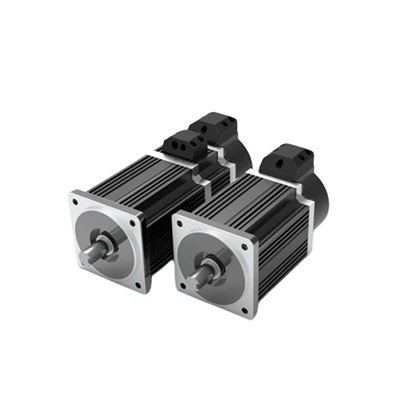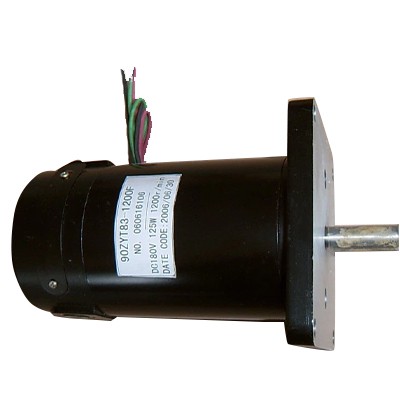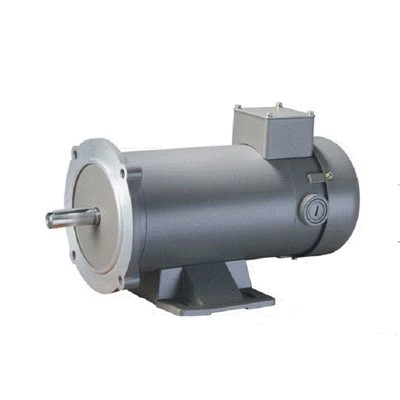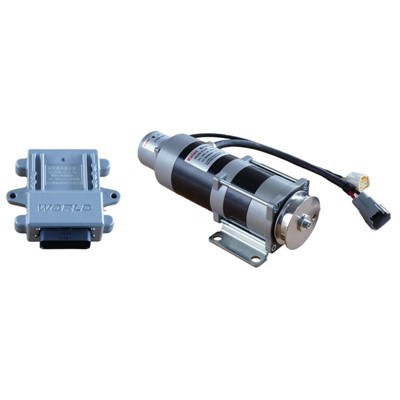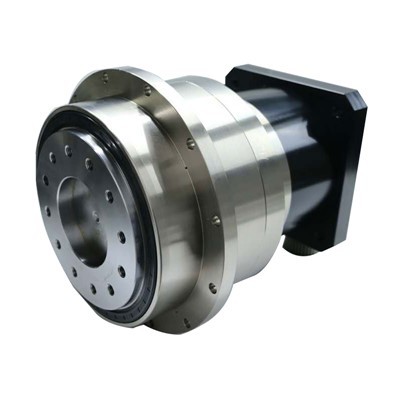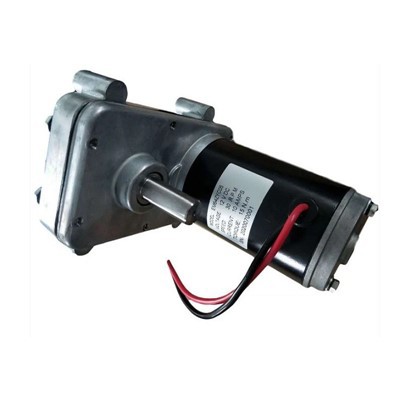
When searching for a 90V Permanent Magnet DC Motor, many buyers compare only voltage, horsepower, or price.
Unfortunately, these three specifications reveal very little about how the motor will actually perform once installed.
Two motors with the same voltage and power rating may behave completely differently under the same operating conditions. One may run smoothly for years with minimal maintenance, while the other overheats, loses speed under load, or requires frequent brush replacement.
The difference usually isn't the voltage-it's how well the motor matches the application.
This guide focuses on the practical questions engineers, OEM manufacturers, and industrial buyers should ask before purchasing a 90V Permanent Magnet DC Motor. Instead of simply explaining what the motor is, it explains how to choose one that delivers reliable performance throughout its service life.


Why Is 90V Still One of the Most Popular Industrial DC Motor Standards?
Many engineers are surprised that 90V DC motors remain widely used despite the growth of brushless motors and AC servo systems.
The reason is simple.
A 90V Permanent Magnet DC Motor offers an excellent balance between cost, controllability, reliability, and ease of maintenance.
Unlike more complex motion systems, a 90V PMDC motor can provide smooth variable-speed operation using relatively simple DC speed controllers.
For thousands of industrial machines, this level of performance is exactly what is required-without adding unnecessary system complexity.
Typical applications include:
- Conveyor systems
- Packaging equipment
- Printing machinery
- Food processing machines
- Textile equipment
- Material handling systems
- Commercial fitness equipment
- Industrial fans and pumps
For equipment that requires dependable variable-speed control rather than ultra-high positioning accuracy, a 90V PMDC motor remains a practical and economical solution.
Understanding What Really Determines Motor Performance
Many buyers assume that a higher horsepower motor is automatically a better motor.
In reality, horsepower is only one piece of the selection process.
A motor's actual performance depends on how several characteristics work together.
These include:
- Continuous torque
- Starting torque
- Speed stability
- Thermal performance
- Brush quality
- Magnet material
- Armature balance
- Cooling efficiency
- Controller compatibility
Ignoring these factors often leads to disappointing results after installation.
Why Some 90V Motors Last Much Longer Than Others
Two motors may look nearly identical from the outside, yet have dramatically different service lives.
The difference usually comes from the components that cannot be seen.
Permanent Magnet Quality
The permanent magnets determine how efficiently electrical energy is converted into mechanical power.
Higher-grade magnets generally provide:
- Better efficiency
- Higher torque density
- More stable performance
- Lower operating temperature
Lower-quality magnets may gradually lose magnetic strength when exposed to high operating temperatures.
This reduces motor performance over time.
Armature Manufacturing
The armature is the heart of a DC motor.
Poor manufacturing can create:
- Excessive vibration
- High electrical losses
- Increased brush wear
- Reduced efficiency
A well-balanced armature helps the motor operate smoothly even during continuous-duty applications.
Brush Material
Brushes are considered wear parts, but their quality directly affects motor reliability.
High-quality carbon brushes generally provide:
- Stable electrical contact
- Lower sparking
- Longer replacement intervals
- Better commutation
Choosing a cheaper motor often means accepting lower-quality brush materials.
Why Overheating Is One of the Most Common Motor Problems
Many users believe overheating is caused by poor motor quality.
In reality, overheating is often caused by incorrect motor selection.
Common causes include:
Undersized Motors
If the required torque exceeds the motor's continuous rating, excessive current will generate heat.
Over time, this can damage insulation and shorten bearing life.
Poor Ventilation
Some machines operate inside enclosed cabinets with limited airflow.
Even a high-quality motor cannot dissipate heat effectively without sufficient ventilation.
Incorrect Speed Controller Settings
Improper acceleration or current limits can increase motor temperature significantly.
The controller should always be configured to match the motor's specifications.
Continuous Low-Speed Operation
Many DC motors rely on attached cooling fans.
When operating continuously at very low speed, airflow decreases, making heat dissipation less effective.
Applications requiring extended low-speed operation may need forced cooling or a motor designed specifically for this duty.
Is a 90V Permanent Magnet DC Motor the Right Choice?
Not every application should use a PMDC motor.
The best choice depends on the machine's operating requirements.
A 90V Permanent Magnet DC Motor is generally an excellent option when the application requires:
- Adjustable speed
- High starting torque
- Moderate positioning accuracy
- Simple control system
- Easy maintenance
Cost-effective variable-speed operation
However, if the application demands micron-level positioning, extremely rapid acceleration, or complex synchronized multi-axis control, a servo motor may be a more suitable solution.
Likewise, applications requiring brush-free operation for tens of thousands of maintenance-free hours may benefit from a brushless DC motor instead.
Selecting the right motor begins with understanding the machine-not simply choosing the newest technology.
How to Choose the Right Power Rating
One of the biggest purchasing mistakes is choosing a motor based only on the existing nameplate.
Instead, evaluate the actual mechanical load.
Consider:
- Continuous operating load
- Starting load
- Maximum load
- Duty cycle
- Future production expansion
Buying a larger motor "just in case" may seem safe, but oversized motors often operate inefficiently at low loads and increase equipment costs unnecessarily.
Conversely, selecting a motor that operates near its maximum capacity throughout the day reduces service life and increases maintenance costs.
The ideal motor operates with sufficient reserve capacity while maintaining high efficiency under normal production conditions.
Don't Ignore the Motor Controller
Many motor failures are actually controller problems.
Even the highest-quality motor cannot perform properly if paired with an incompatible controller.
Before purchasing, confirm that the controller supports:
- Rated voltage
- Continuous current
- Peak current
- Speed regulation method
- Overload protection
- Soft start
- Dynamic braking (if required)
Treat the motor and controller as a complete drive system rather than two separate components.
Environmental Conditions Matter More Than Most Buyers Expect
A motor operating in a clean assembly workshop experiences very different conditions from one installed in a dusty production plant.
Before selecting a motor, evaluate:
- Ambient temperature
- Dust levels
- Humidity
- Chemical exposure
- Water ingress
- Ventilation
- Installation orientation
Choosing an appropriate enclosure and protection level can significantly improve long-term reliability.


Common Buying Mistakes That Increase Operating Costs
Many purchasing decisions focus on minimizing the initial purchase price.
However, the cheapest motor is not always the most economical.
Common mistakes include:
Choosing by Price Alone
A lower purchase price can lead to higher maintenance costs, more downtime, and shorter service life.
Ignoring Continuous Duty
Some motors perform well during intermittent operation but are not designed for continuous production.
Overlooking Replacement Parts
Brushes, bearings, and controllers should be readily available to reduce future maintenance costs.
Buying Without Technical Support
Industrial motors rarely operate under laboratory conditions.
Working with a supplier that provides application support often reduces commissioning time and helps prevent selection errors.
Questions You Should Ask Before Buying a 90V Permanent Magnet DC Motor
Instead of asking only about voltage and power, consider asking your supplier:
- What is the continuous torque rating?
- What is the peak starting torque?
- Is the motor designed for continuous duty?
- Which controller is recommended?
- What is the expected brush life?
- Can replacement parts be supplied?
- What protection rating is available?
- What cooling method does the motor use?
- Can the shaft, mounting dimensions, or connectors be customized?
- Is technical support available for OEM equipment?
The answers to these questions often reveal much more than the product brochure.
Typical Applications Where 90V PMDC Motors Perform Best
A well-selected 90V Permanent Magnet DC Motor can provide excellent performance in applications requiring smooth variable-speed operation without the complexity of servo control.
Typical industries include:
- Conveyor and material handling equipment
- Packaging machinery
- Printing and converting machines
- Textile machinery
- Food processing systems
- Fitness equipment
- Industrial pumps and fans
- Laboratory equipment
- Automated production machines
These applications benefit from stable speed, high starting torque, and relatively simple speed control.
Why OEM Equipment Manufacturers Prefer Customized Motor Solutions
Many industrial machines have unique installation requirements.
A standard catalog motor may not fit without modification.
OEM manufacturers often require customization such as:
- Shaft dimensions
- Mounting configuration
- Output speed
- Power rating
- Wiring direction
- Connector type
- Cooling options
Working with a manufacturer capable of providing customized motor solutions often simplifies equipment design and reduces assembly costs.
Why Choose Auric as Your 90V Permanent Magnet DC Motor Partner?
Selecting the right motor is not simply about finding a supplier-it is about finding a partner who understands your equipment.
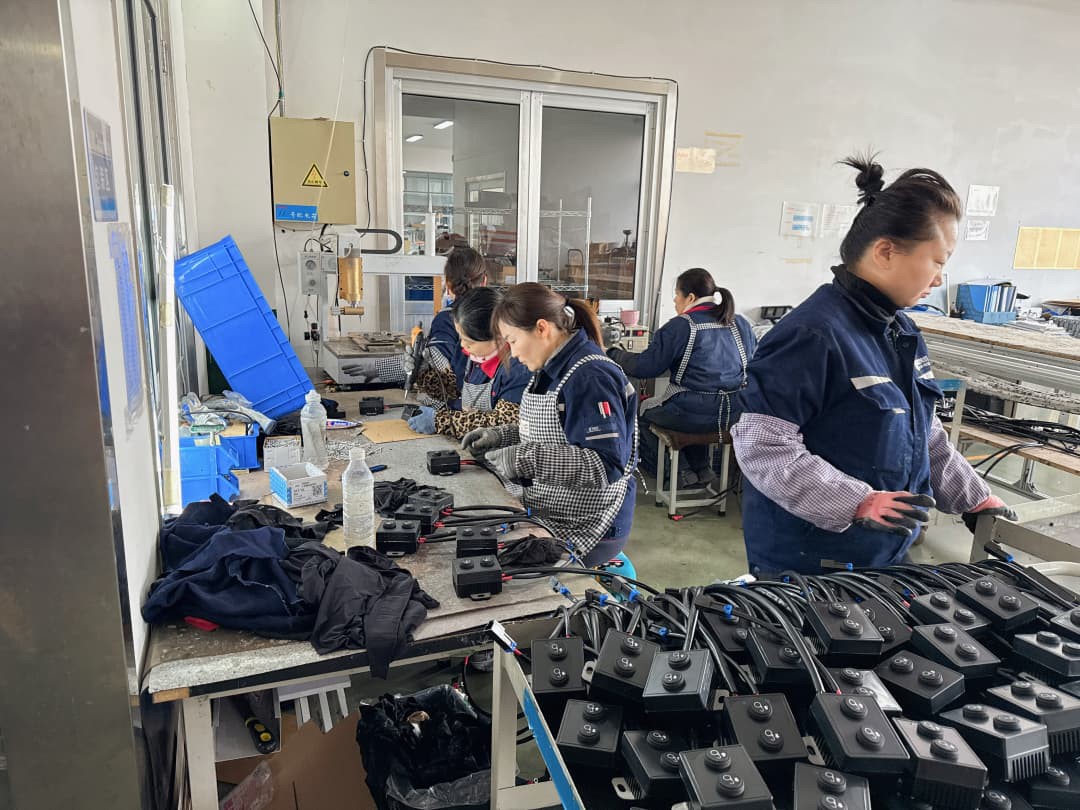
Auric provides permanent magnet DC motor solutions for industrial automation, packaging machinery, material handling systems, conveyor equipment, and other OEM applications.
Rather than recommending a motor based solely on voltage or power, Auric evaluates the complete operating conditions, including load characteristics, duty cycle, speed requirements, installation constraints, and controller compatibility.
This application-focused approach helps equipment manufacturers reduce commissioning time, improve reliability, and optimize long-term operating costs.
Whether you need a standard 90V PMDC motor or a customized solution with specific mounting dimensions, shaft configurations, or electrical interfaces, selecting the right motor from the beginning is the most effective way to maximize equipment performance.
Frequently Asked Questions
Can a 90V Permanent Magnet DC Motor run continuously?
Yes, provided it is correctly sized for the application and operated within its rated continuous-duty specifications.
Is a higher horsepower motor always better?
No. Oversizing can increase costs and reduce efficiency. The best motor is one that matches the actual operating requirements.
How often should motor brushes be replaced?
Brush life depends on operating conditions, load, speed, and brush material. Regular inspections are recommended for continuous-duty applications.
Should I choose a PMDC motor or a brushless motor?
If your application requires simple variable-speed control, high starting torque, and economical operation, a PMDC motor is often an excellent choice. If maintenance-free operation or advanced electronic control is the priority, a brushless motor may be more suitable.
Final Thoughts
A 90V Permanent Magnet DC Motor remains one of the most practical choices for industrial equipment requiring reliable variable-speed operation.
However, selecting the right motor involves much more than matching voltage and horsepower. Long-term performance depends on choosing a motor that fits the application's torque requirements, operating environment, duty cycle, cooling conditions, and control system.
Taking the time to evaluate these factors before purchasing can reduce maintenance, improve efficiency, extend equipment life, and lower the total cost of ownership.
For OEMs and equipment manufacturers, partnering with an experienced supplier such as Auric can make this process more efficient by ensuring the motor is matched to the real-world demands of the application rather than relying on specifications alone.