Excellent speed regulation performance and high control precision: The speed of a DC motor is linearly related to the armature voltage, allowing for smooth, stepless speed regulation by adjusting the voltage or armature resistance.
High starting torque and strong overload capacity: DC motors can output 2-3 times their rated torque at startup.
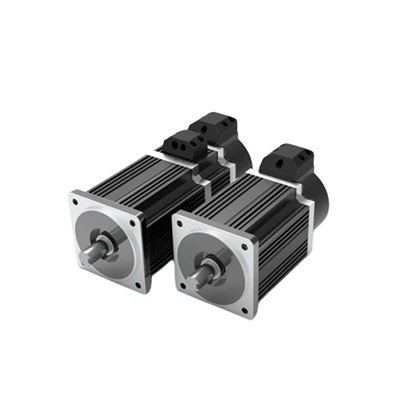
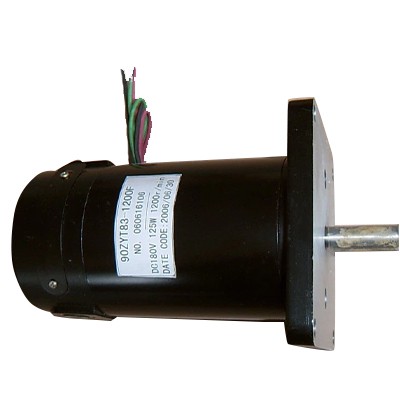
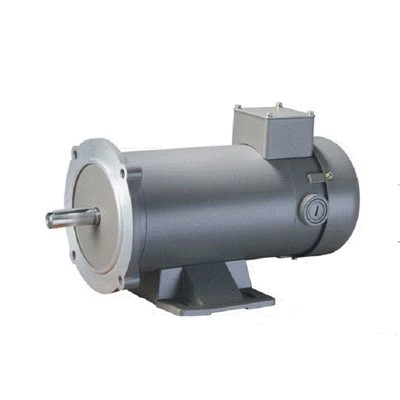
Simple structure and low maintenance cost: The core structure of a DC motor includes a stator (permanent magnet or electromagnet), rotor (armature winding), commutator, and brushes. Its mechanical structure is relatively simple, with fewer parts and a low failure rate.
High efficiency and low energy consumption: DC motors typically achieve 85%-95% efficiency, with a more pronounced efficiency advantage under low-speed, high-torque conditions.
Wide range of applications and strong adaptability: Due to its advantages in speed regulation, start-stop, and efficiency, DC motors are widely used in scenarios requiring precise control.
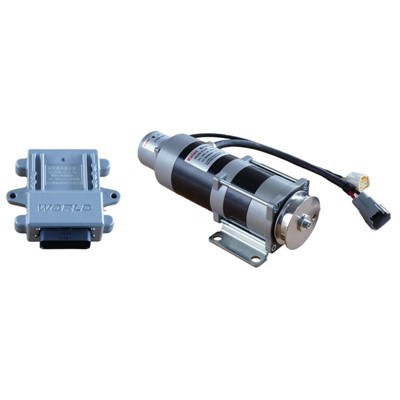
Significant potential for technological upgrades: With the development of permanent magnet materials (such as neodymium iron boron) and power electronics technology, the performance of DC motors is further improved.