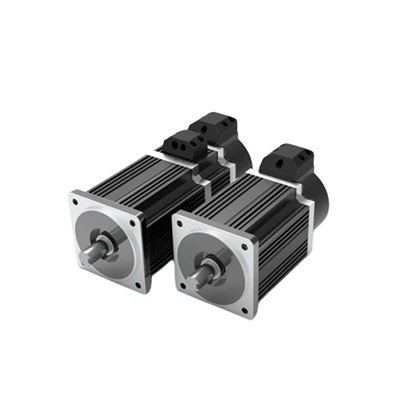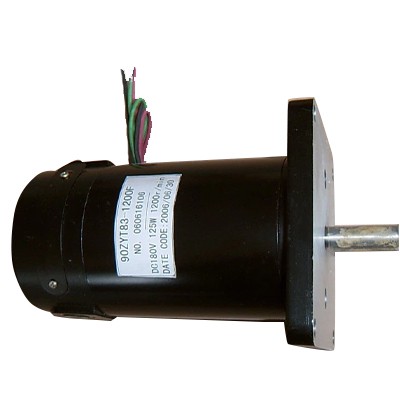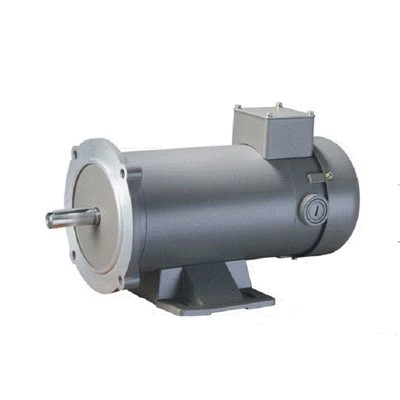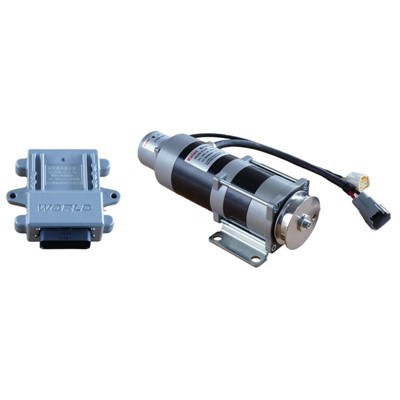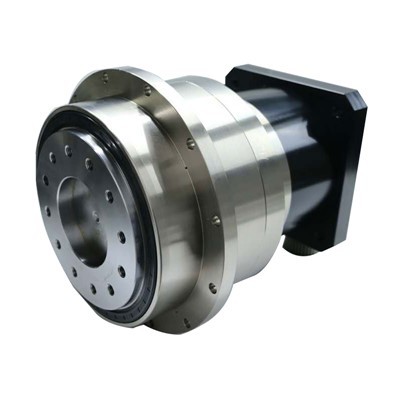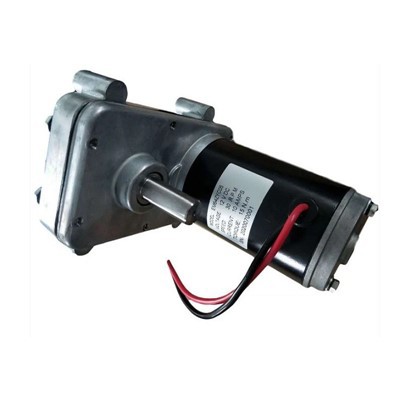
A servo motor is a motor that controls the operation of mechanical components in a servo system; it is an auxiliary motor with indirect speed control. Servo motors can control speed and position with very high accuracy, converting voltage signals into torque and speed to drive the controlled object.
The rotor speed of a servo motor is controlled by the input signal and can respond quickly. In automatic control systems, it is used as an actuator and has characteristics such as a small electromechanical time constant and high linearity. It can convert received electrical signals into angular displacement or angular velocity output on the motor shaft. Servo motors are also commonly found in robotics and industrial automation, lithium battery equipment, photovoltaic equipment, high-end CNC machine tools, and small CNC machine tools.
Servo motors are divided into two main categories: DC and AC servo motors. Permanent magnet AC servo motors represent an important development in this field. Their main characteristic is that they do not rotate when the signal voltage is zero, and their speed decreases uniformly as the torque increases.