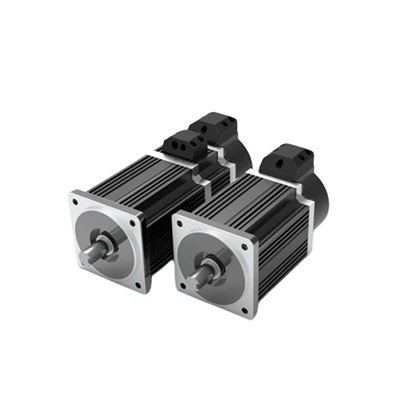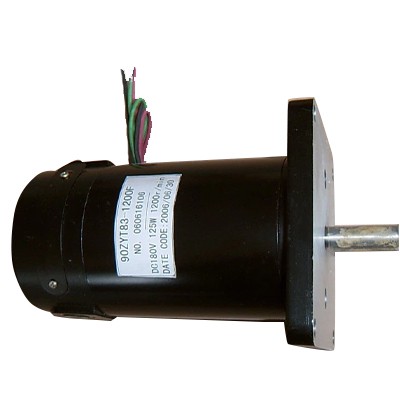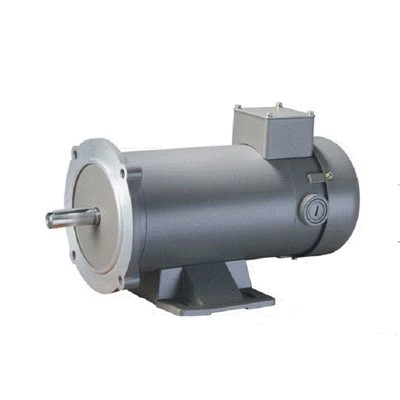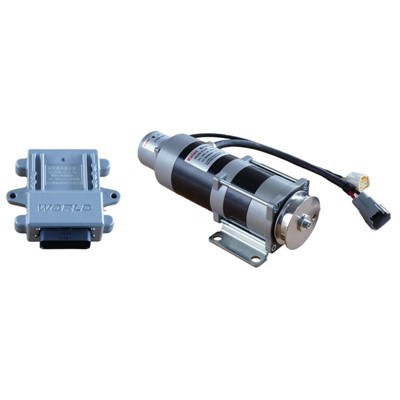
A servo motor is a type of precision electric motor that achieves precise control of mechanical motion by accurately controlling the motor's speed, position, and torque. Unlike ordinary motors, servo motors have built-in encoders or sensors that provide real-time feedback on the motor's operating status, such as position, speed, and acceleration. This information is fed back to the controller, which compares the feedback signals with preset commands and adjusts the input current or voltage to correct the motor's operating state, thus achieving precise control.
From a technical perspective, the working principle of a servo motor is based on a closed-loop control system. It consists of four main parts: the motor body, the driver, the encoder, and the controller. The motor body converts electrical energy into mechanical energy. The driver provides appropriate current and voltage to the motor according to the controller's commands. The encoder monitors the actual operating status of the motor and feeds this information back to the controller. The controller then adjusts the driver's output based on the difference between the feedback signal and the preset commands to achieve precise control.