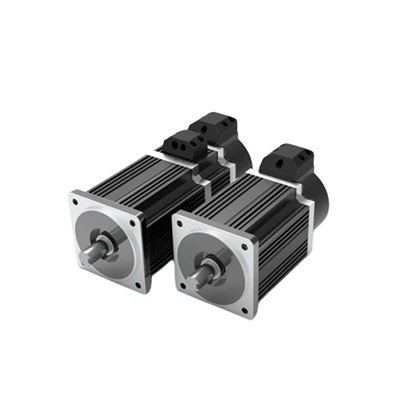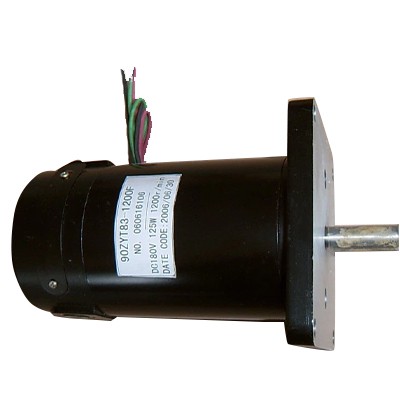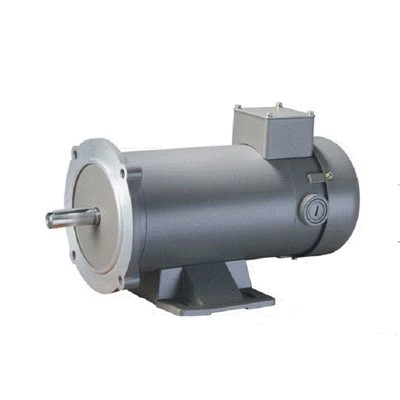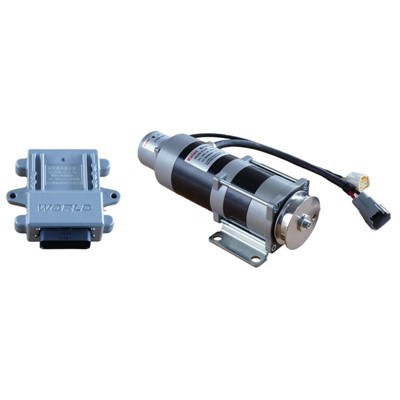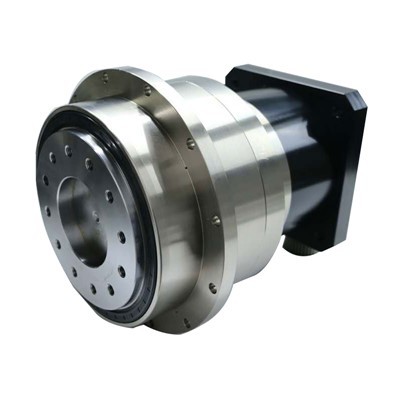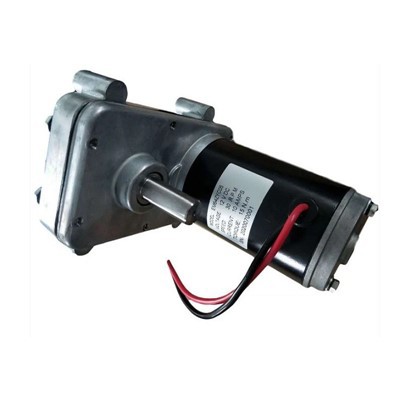
Choosing a Dia.110 permanent magnet motor involves more than checking its diameter and rated power. For equipment manufacturers and industrial buyers, the right motor must deliver the required torque, speed, operating stability, and installation compatibility without increasing energy consumption or maintenance costs.
This guide explains what to check before purchasing a Dia.110 permanent magnet motor, how to compare suppliers, and what information to provide when requesting a quotation from Auric.


What Is a Dia.110 Permanent Magnet Motor?
A Dia.110 permanent magnet motor is a motor designed around a nominal 110 mm diameter size, commonly referring to its outer frame or stator dimension. The exact measurement should be confirmed against the manufacturer's drawing because different motor designs may use different dimensional references.
Permanent magnets provide the magnetic field, allowing the motor to convert electrical energy into mechanical motion. Depending on its design, a Dia.110 motor may be configured for different voltage levels, speeds, torque requirements, and installation conditions.
For equipment manufacturers, the key benefit is the opportunity to select a motor with a suitable physical footprint while matching the performance requirements of the application.
What Should You Check Before Buying a Dia.110 Motor?
Before comparing motor prices, confirm these six factors.
|
Selection Factor |
What to Confirm |
Why It Matters |
|---|---|---|
|
Motor Diameter |
Whether 110 mm refers to the frame, stator, or another dimension |
Prevents installation mismatch |
|
Rated Voltage |
Required DC voltage and allowable operating range |
Ensures compatibility with the power supply |
|
Rated Power |
Continuous power required by the equipment |
Helps avoid underpowered operation |
|
Rated Speed |
Required RPM under the intended load |
Determines operating speed and output performance |
|
Rated Torque |
Continuous and peak torque requirements |
Helps the motor start and drive the load reliably |
|
Mounting Dimensions |
Shaft diameter, shaft length, mounting holes, and overall length |
Reduces redesign and assembly costs |
Practical buying advice: Do not select a motor based on diameter alone. Two motors with the same nominal diameter can have different power ratings, torque curves, shaft designs, and thermal limits.
How Do You Match Motor Power and Torque to Your Equipment?
Rated power and torque describe different aspects of motor performance. Power indicates the rate of mechanical energy delivery, while torque determines the motor's ability to produce rotational force.
For a rotating motor, the relationship between mechanical power, torque, and speed is:


For example, a motor delivering 2 N·m at 3,000 RPM produces approximately 0.63 kW of mechanical power.
This calculation is useful for an initial check, but the final selection must also account for starting torque, acceleration, load variation, transmission efficiency, and the motor's continuous-duty rating.
For applications with frequent starts and stops, such as automated equipment, peak torque and thermal performance may matter as much as rated power.
Which Applications Are Suitable for a Dia.110 Permanent Magnet Motor?
A Dia.110 permanent magnet motor may suit equipment that needs a compact motor with defined speed and torque requirements. Actual suitability depends on the motor's electrical design, cooling method, duty cycle, and load characteristics.
Common application areas include:
Industrial automation: Drives and auxiliary mechanisms that require consistent rotational output.
Material handling equipment: Powered rollers, transport mechanisms, and other drive systems where the motor matches the load.
AGV and mobile equipment: Drive applications requiring a compatible power supply, suitable torque, and efficient use of available space.
Packaging machinery: Feed rollers, conveying systems, and other mechanisms with defined speed requirements.
Special-purpose machinery: OEM equipment designed around specific mounting dimensions and performance targets.
Before ordering, provide your equipment type and operating conditions to the manufacturer. This helps establish whether a Dia.110 model is suitable or whether a different motor configuration would be more appropriate.
What Are the Main Advantages of a Permanent Magnet Motor?
Permanent magnet motors use permanent magnets to establish the magnetic field, rather than relying on a field winding to generate it. Depending on the motor design, this can offer several practical advantages.
Potential benefits for equipment manufacturers:
Compact motor design: Useful where the available installation space is limited.
Efficient operation: Permanent magnet excitation can reduce field-related electrical losses.
Application-specific performance: Motor parameters can be selected to match different load and speed requirements.
Flexible integration: Shaft, mounting, voltage, and connection options may be customized by the manufacturer.
Reduced system redesign: Choosing the correct frame and mounting dimensions early can simplify equipment integration.
These benefits are design-dependent. Efficiency, service life, temperature rise, and torque capability should be verified against the selected model's datasheet and test conditions rather than assumed from the motor type alone.
Should You Choose a Brushed or Brushless Permanent Magnet Motor?
The right choice depends on the drive system, maintenance expectations, control requirements, and operating environment. A 110 mm diameter does not by itself indicate whether the motor is brushed or brushless.
|
Comparison |
Brushed Permanent Magnet Motor |
Brushless Permanent Magnet Motor |
|---|---|---|
|
Commutation |
Mechanical brushes and commutator |
Electronic controller |
|
Control System |
May use a simpler drive arrangement |
Requires compatible electronic commutation |
|
Maintenance |
Brush inspection and replacement may be required |
No brush replacement, though other components still require maintenance |
|
Speed Control |
Depends on the motor and controller |
Depends on the motor, controller, and feedback arrangement |
|
Best Selection Basis |
Simplicity, cost, and application requirements |
Control performance, maintenance needs, and system efficiency |
Ask the supplier to confirm the motor type, controller compatibility, feedback requirements, and expected maintenance schedule before comparing quotations.
How Much Does a Dia.110 Permanent Magnet Motor Cost?
The price of a Dia.110 permanent magnet motor depends on more than its frame size. Two motors with similar dimensions may have significantly different costs because their performance ratings and manufacturing requirements differ.
The main price factors include:
Rated voltage, power, speed, and torque
Motor construction and magnet specifications
Shaft and mounting customization
Controller or encoder requirements, where applicable
Testing and documentation requirements
Order quantity, packaging, and delivery destination
For an accurate quotation from an Auric motor supplier, send the required specifications instead of asking for a price based only on "Dia.110 permanent magnet motor."
|
Information to Provide |
Example or Required Detail |
|---|---|
|
Motor type |
Brushed or brushless, if specified |
|
Frame size |
Dia.110 mm; confirm dimensional reference |
|
Rated voltage |
Your equipment's required voltage |
|
Rated power |
Required continuous output in W or kW |
|
Rated speed |
Required RPM |
|
Rated torque |
Continuous and peak torque, if known |
|
Installation |
Shaft drawing, mounting dimensions, and available space |
|
Operating conditions |
Duty cycle, load profile, ambient temperature |
|
Quantity |
Prototype, trial order, or mass production |
If some parameters are unknown, provide your equipment model, load requirements, and operating scenario. The manufacturer can then help identify the specifications that still need confirmation.
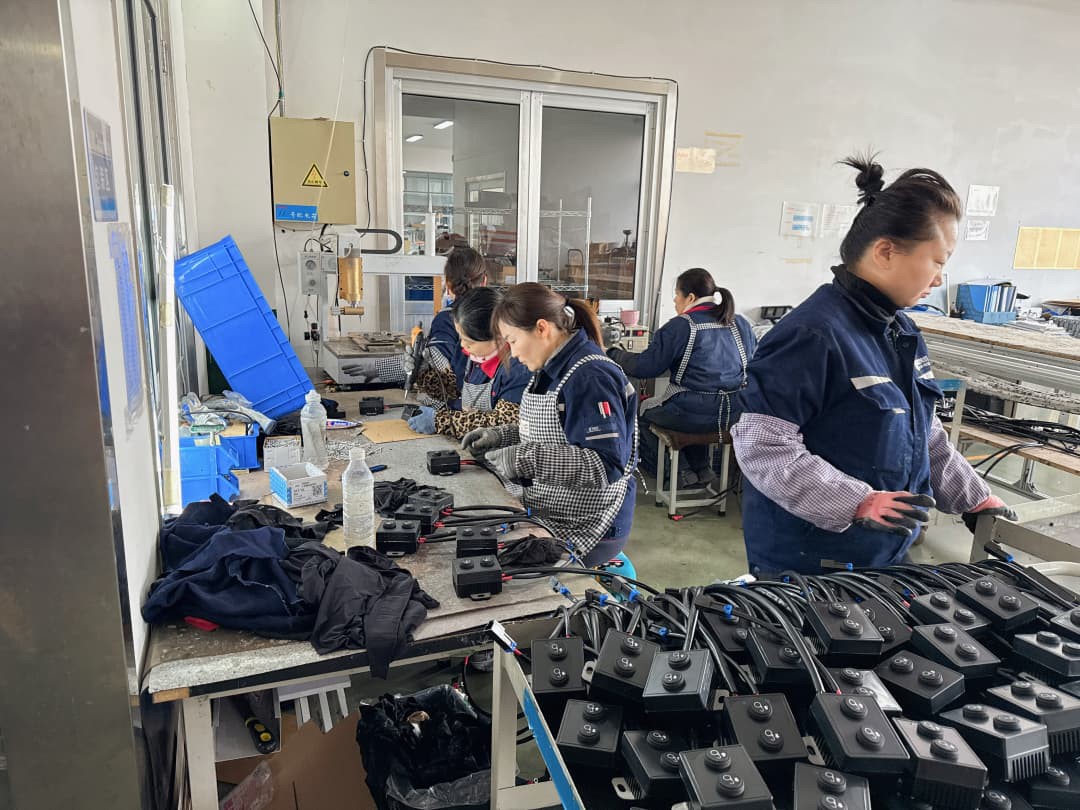
How Do You Choose a Reliable Dia.110 Motor Manufacturer?
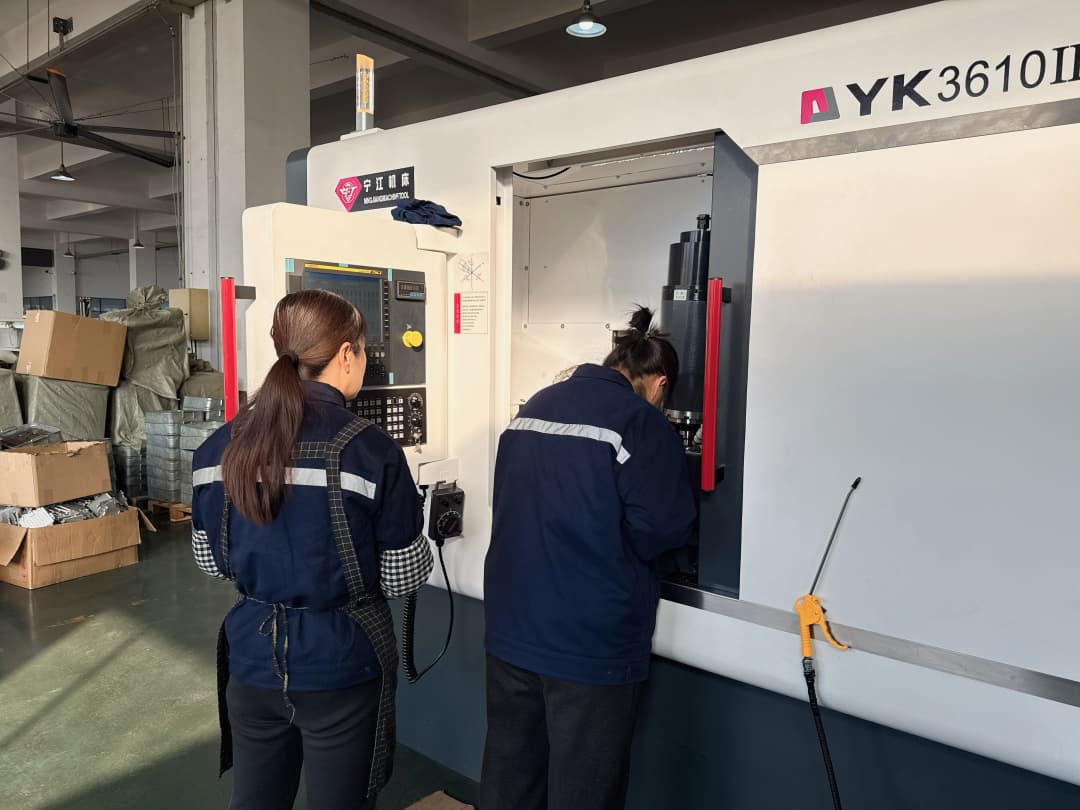
For B2B buyers, a reliable motor supplier should do more than provide a low initial price. The motor must match the equipment, meet agreed specifications, and remain suitable for the intended operating conditions.
Evaluate potential manufacturers against these points:
Technical documentation: Request a datasheet, dimensional drawing, and speed-torque or performance curve where available.
Specification confirmation: Ensure that voltage, rated power, speed, torque, and duty cycle are clearly defined in the quotation.
Customization capability: Confirm whether the manufacturer can accommodate shaft dimensions, mounting interfaces, connectors, and other application-specific requirements.
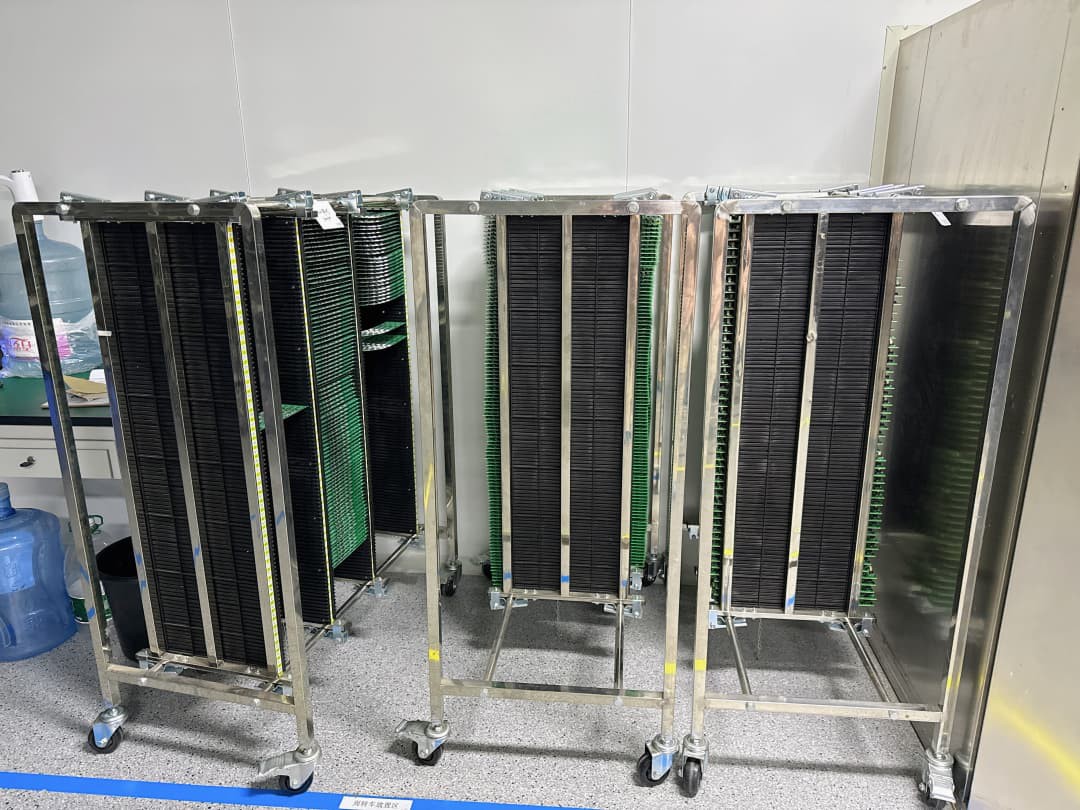
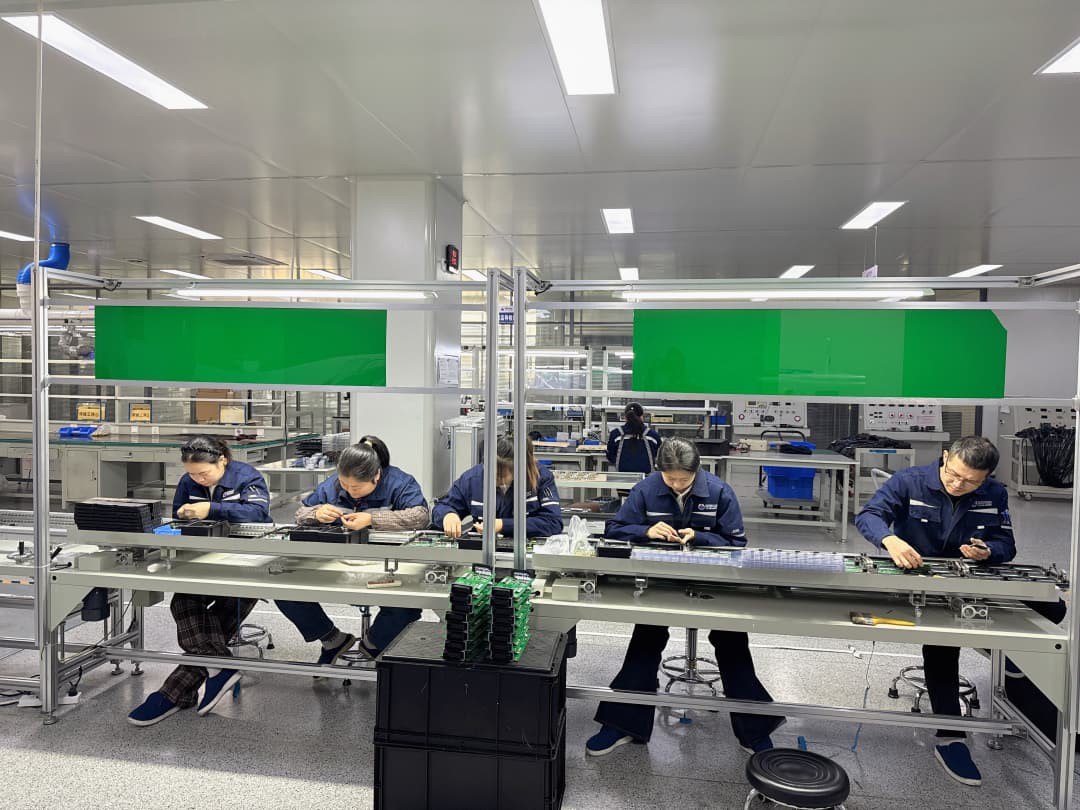
Testing and quality control: Ask which inspections and performance tests are conducted, and whether the results can be documented for your order.
After-sales support: Check whether the supplier can help with motor selection, installation questions, troubleshooting, and replacement requirements.
Production and delivery planning: Confirm sample availability, production lead time, order quantity requirements, packaging, and shipping arrangements before placing a purchase order.
Auric can be considered when comparing permanent magnet motor suppliers for OEM equipment and industrial applications. Share your required dimensions and operating parameters to establish whether a suitable Dia.110 configuration is available.
Is a Standard Dia.110 Motor Better Than a Customized Motor?
A standard motor is often the more practical choice when its electrical performance and mounting dimensions already match your equipment. It can simplify procurement and reduce engineering work.
A customized motor may be appropriate when your design requires a nonstandard shaft, specific mounting arrangement, particular speed or torque characteristics, or a defined electrical connection.
|
Requirement |
Recommended Approach |
|---|---|
|
Existing motor replacement |
Match the original drawing and performance specifications |
|
New equipment development |
Confirm load calculations and installation space before selecting the motor |
|
Special shaft or mounting |
Request a customized drawing for approval |
|
Variable operating load |
Review the torque-speed curve and thermal limits |
|
Large-volume OEM production |
Confirm repeatability, inspection criteria, and production capacity |
For customized orders, approve the technical drawing and written specifications before mass production. This helps reduce the risk of receiving motors that fit physically but fail to meet performance requirements.
Frequently Asked Questions
Does Dia.110 mean the motor is 110 mm in diameter?
It generally indicates a nominal 110 mm diameter dimension, but the exact reference can vary by manufacturer. Confirm whether it refers to the outer frame, stator, or another component in the dimensional drawing.
Can a Dia.110 permanent magnet motor be customized?
Potentially, yes. Depending on the manufacturer's design and production capabilities, options may include shaft dimensions, mounting arrangements, voltage, speed, and electrical connections. Confirm feasibility before ordering.
How do I know whether the motor has enough torque?
Calculate the torque required by the driven load, including starting, acceleration, transmission losses, and peak operating conditions. Then compare these requirements with the motor's rated and peak torque specifications.
Can I use a Dia.110 motor with my existing controller?
Not automatically. Check the motor type, rated voltage, current requirements, commutation method, feedback signals, and controller compatibility. A motor and controller should be evaluated as a system.
What documents should I request before purchasing?
At minimum, request a motor datasheet and dimensional drawing. Depending on your application, also ask for performance curves, test reports, wiring information, and agreed inspection criteria.
What information is needed to get a Dia.110 motor quotation?
Provide the required diameter reference, voltage, power, speed, torque, shaft and mounting dimensions, operating conditions, quantity, and destination. A drawing or existing motor nameplate can help the supplier assess the requirement more accurately.
How can I reduce the risk of choosing the wrong motor?
Confirm both mechanical fit and electrical performance before placing an order. For new equipment, validate the selected motor under representative load conditions where possible, and agree on acceptance criteria with the supplier.