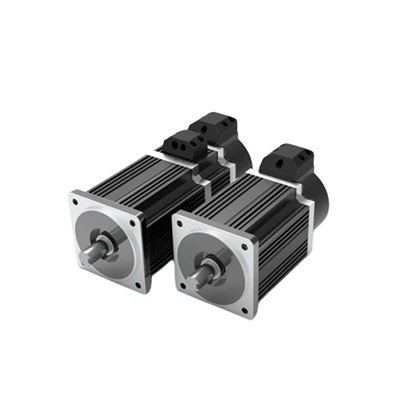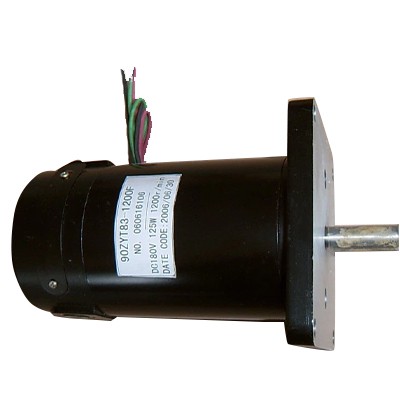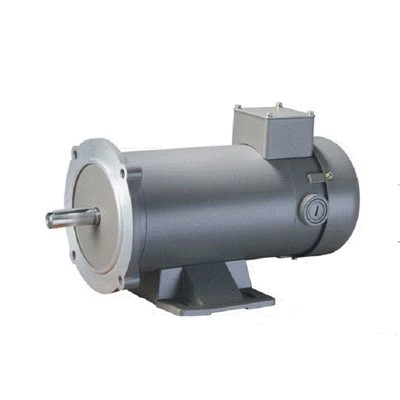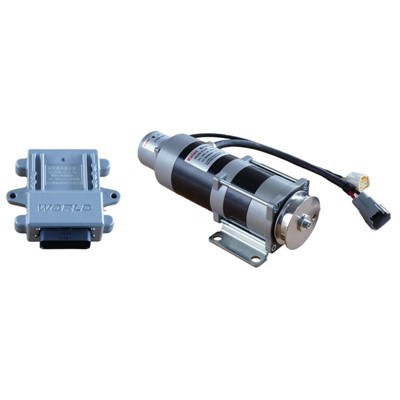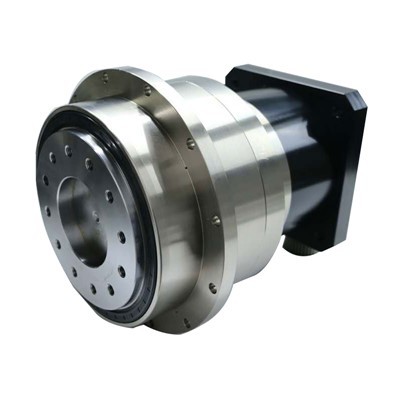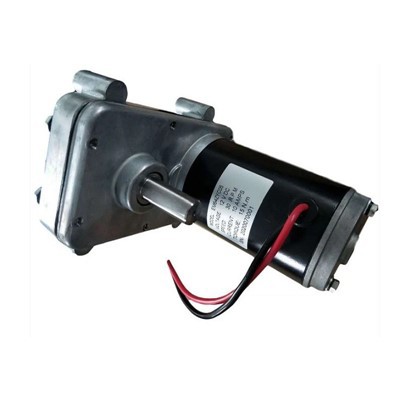
Industrial Automation: In industrial automation scenarios, DC motors are commonly used in equipment requiring precise speed control or frequent start-stop operations.
Transportation: DC motors are one of the core power sources for electric vehicles. While AC asynchronous motors and permanent magnet synchronous motors are gradually becoming mainstream in the electric vehicle sector, DC motors are still widely used in low-speed electric vehicles, electric forklifts, and sightseeing vehicles due to their simple control, lower cost, and convenient maintenance.
Home Appliances: DC motors are widely used in home appliances, typically in air conditioner compressors, refrigerator compressors, and washing machine drive motors. For example, inverter air conditioners use brushless DC motors (BLDC) in their compressors, achieving precise temperature control by adjusting voltage and frequency, resulting in energy savings of over 30% compared to traditional AC motors. Furthermore, high-end vacuum cleaners, hair dryers, and other small appliances are increasingly adopting DC motors due to their high speed, small size, and low noise, significantly improving the user experience.
Special Environment Applications: In flammable, explosive, highly corrosive, or extreme temperature environments, the advantages of DC motors are even more pronounced. For example, scraper conveyors in coal mines and mud pumps on oil drilling platforms require explosion-proof designs, and DC motors can meet these safety requirements through explosion-proof enclosures and intrinsically safe circuits.
Furthermore, DC motors are frequently used in power systems for spacecraft and deep-sea exploration equipment operating in extreme environments due to their simple structure, high reliability, and ability to adapt to zero-gravity or high-pressure environments.
New Energy and Energy Storage: With the development of new energy sources, DC motors play a crucial role in wind power generation and energy storage systems. For example, the yaw system of a wind turbine requires a DC motor to adjust the blade direction to maximize wind energy capture; in flywheel energy storage systems, the DC motor operates in a dual-mode (motor/generator) configuration, enabling rapid conversion between electrical and mechanical energy.