
As a supplier of precision planetary gearboxes, I've had the opportunity to work closely with these remarkable pieces of machinery. They're incredibly useful, but like anything, they've got their limitations. Let's dive into what those limitations are and how they might affect your projects.
1. Cost Limitations
One of the most obvious limitations of precision planetary gearboxes is the cost. These gearboxes are engineered to extremely tight tolerances, which means they require high - quality materials and advanced manufacturing processes. The precision machining needed to ensure smooth and accurate operation is expensive. For example, the gears need to be cut with extremely high precision, and the housing needs to be machined to fit the gears perfectly. This level of quality control drives up the price.
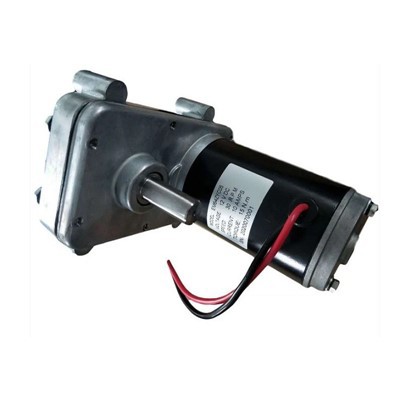
If you're on a tight budget, a precision planetary gearbox might not be the best option. You might have to look for more cost - effective alternatives, like a Parallel Axis Gear Motor. These motors are generally less expensive and can still provide a decent level of performance for less demanding applications.
2. Size and Weight
Precision planetary gearboxes can be relatively large and heavy, especially when compared to some other types of gearboxes. The compact design that makes them so efficient also means that they can't be made as small as some other gearbox types in some cases. This can be a problem if you're working on a project where space is limited.
For instance, in robotics, where every inch of space and every ounce of weight matters, a large and heavy gearbox can limit the mobility and functionality of the robot. You might need to look for a High Speed Planetary Gearbox which is designed to be more compact and lightweight, but even these have their size and weight limitations.
3. Heat Generation
When a precision planetary gearbox is in operation, it generates heat. The friction between the gears and other moving parts causes the temperature to rise. High temperatures can have a negative impact on the performance and lifespan of the gearbox.
Excessive heat can cause the lubricant inside the gearbox to break down, reducing its ability to lubricate the gears properly. This can lead to increased wear and tear on the gears, and eventually, the gearbox might fail. To manage heat, you might need to install additional cooling systems, which adds to the complexity and cost of the setup.
4. Noise and Vibration
Even though precision planetary gearboxes are designed to operate smoothly, they can still produce noise and vibration. The meshing of the gears creates a certain amount of noise, and if the gearbox is not properly balanced or installed, the noise and vibration can be quite significant.
This can be a problem in applications where a quiet environment is required, such as in medical equipment or audio - visual systems. You might need to invest in additional noise - dampening materials or vibration isolation mounts to reduce the noise and vibration levels.
5. Limited Torque Capacity
While precision planetary gearboxes are known for their high torque density, they still have a limit to the amount of torque they can handle. If you try to operate the gearbox beyond its rated torque capacity, it can lead to premature wear and failure.


For heavy - duty applications that require very high torque, you might need to look for other types of gearboxes or consider using multiple gearboxes in parallel to increase the overall torque capacity.
6. Maintenance Requirements
Precision planetary gearboxes require regular maintenance to ensure their long - term performance. The lubricant needs to be changed at regular intervals, and the gears and other components need to be inspected for wear and damage.
If the maintenance is not carried out properly, it can lead to problems such as gear failure, reduced efficiency, and increased noise. This means that you need to have a maintenance plan in place and be prepared to invest time and resources in maintaining the gearbox.
7. Complexity of Installation
Installing a precision planetary gearbox can be a complex process. It requires a high level of technical knowledge and skill to ensure that the gearbox is installed correctly. The alignment of the gears and the connection to the motor and other components need to be precise.
If the installation is not done correctly, it can lead to problems such as premature wear, noise, and reduced performance. You might need to hire a professional installer or receive proper training to install the gearbox yourself.
8. Limited Speed Range
Precision planetary gearboxes are designed to operate within a certain speed range. If you try to operate the gearbox outside of this speed range, it can cause problems such as increased wear, reduced efficiency, and even damage to the gearbox.
For applications that require a wide speed range, you might need to look for other types of gearboxes or use additional speed - control mechanisms.
Conclusion
Despite these limitations, precision planetary gearboxes are still an excellent choice for many applications. They offer high precision, high torque density, and efficient power transmission. If you're considering using a precision planetary gearbox for your project, it's important to carefully consider these limitations and how they might affect your specific needs.
If you're interested in learning more about our High Precision Planetary Gearbox or have any questions about how these limitations might impact your project, feel free to reach out to us. We're here to help you make the best decision for your application. Whether you're in the robotics, automation, or any other industry, we can provide you with the expertise and products you need. Let's have a chat and see how we can work together to meet your requirements.
References
- "Gearbox Design and Application" by William H. Winslow
- "Mechanical Design Handbook" by Myer Kutz