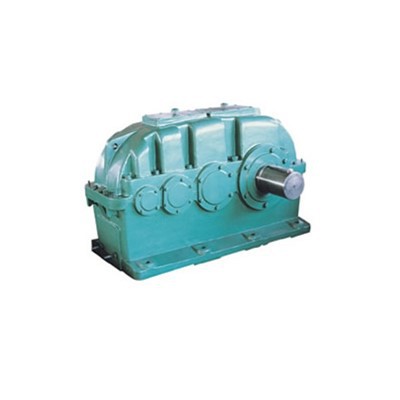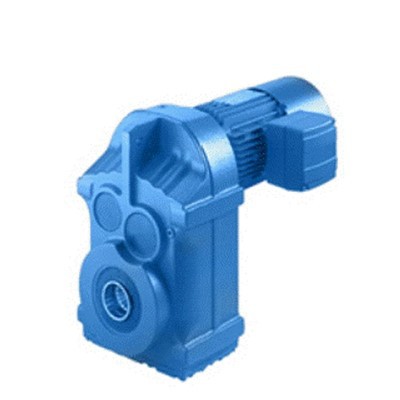

As a supplier of helical bevel gear reducers, I understand the importance of increasing the load capacity of these essential mechanical components. Helical bevel gear reducers are widely used in various industrial applications, from manufacturing to transportation, and their performance directly impacts the efficiency and reliability of the entire system. In this blog post, I will share some practical strategies and techniques to enhance the load capacity of helical bevel gear reducers.
Understanding the Basics of Helical Bevel Gear Reducers
Before delving into the methods of increasing load capacity, it is crucial to understand the basic principles of helical bevel gear reducers. These reducers consist of helical gears and bevel gears, which work together to transmit power and reduce speed. The helical gears provide smooth and efficient power transmission, while the bevel gears change the direction of the power flow.
The load capacity of a helical bevel gear reducer is determined by several factors, including the material of the gears, the gear design, the lubrication system, and the operating conditions. By optimizing these factors, we can significantly increase the load capacity of the reducer.
Selecting the Right Materials
The choice of materials for the gears is one of the most critical factors in determining the load capacity of a helical bevel gear reducer. High-quality materials with excellent mechanical properties, such as high strength, hardness, and wear resistance, are essential for ensuring the long-term performance of the gears.
Common materials used for helical bevel gears include alloy steels, such as 40Cr, 42CrMo, and 20CrMnTi. These materials offer high strength and toughness, making them suitable for heavy-duty applications. In addition, some advanced materials, such as carburized and nitrided steels, can further improve the surface hardness and wear resistance of the gears, thereby increasing the load capacity.
Optimizing the Gear Design
The design of the gears also plays a crucial role in determining the load capacity of the helical bevel gear reducer. A well-designed gear can distribute the load evenly across the teeth, reducing stress concentrations and improving the overall performance of the reducer.
Some key design considerations include the tooth profile, the helix angle, and the gear ratio. The tooth profile should be optimized to ensure smooth meshing and efficient power transmission. The helix angle can affect the load distribution and the noise level of the gears. A larger helix angle can increase the load capacity but may also increase the noise level. The gear ratio should be selected based on the specific application requirements to ensure the optimal performance of the reducer.
Improving the Lubrication System
Proper lubrication is essential for reducing friction and wear between the gears, thereby increasing the load capacity of the helical bevel gear reducer. A good lubrication system can also help to dissipate heat and prevent the gears from overheating.
There are several types of lubricants available for helical bevel gear reducers, including mineral oils, synthetic oils, and grease. The choice of lubricant depends on the operating conditions, such as the temperature, the load, and the speed. It is important to select a lubricant that has the appropriate viscosity and additives to ensure optimal performance.
In addition to selecting the right lubricant, it is also important to maintain the lubrication system properly. Regular oil changes and inspections can help to ensure that the lubricant is clean and free of contaminants, which can reduce the load capacity of the reducer.
Controlling the Operating Conditions
The operating conditions of the helical bevel gear reducer can also have a significant impact on its load capacity. Factors such as the temperature, the speed, and the load can affect the performance of the gears and the lubrication system.
It is important to operate the reducer within its specified temperature range to prevent overheating and damage to the gears. High temperatures can cause the lubricant to break down, reducing its effectiveness and increasing the wear on the gears. In addition, excessive speed and load can also cause the gears to wear out prematurely.
To control the operating conditions, it is recommended to use a temperature sensor and a speed sensor to monitor the performance of the reducer. These sensors can provide real-time data on the temperature and speed of the reducer, allowing for timely adjustments to be made to ensure optimal performance.
Using Advanced Technologies
Advancements in technology have also made it possible to increase the load capacity of helical bevel gear reducers. For example, the use of computer-aided design (CAD) and finite element analysis (FEA) can help to optimize the gear design and reduce stress concentrations. These technologies can also be used to simulate the performance of the reducer under different operating conditions, allowing for the identification of potential problems and the development of solutions.
In addition, the use of advanced manufacturing techniques, such as precision machining and heat treatment, can improve the quality and performance of the gears. These techniques can ensure that the gears have the correct dimensions and surface finish, which can reduce friction and wear and increase the load capacity of the reducer.

Conclusion
Increasing the load capacity of a helical bevel gear reducer is essential for ensuring the efficient and reliable operation of industrial systems. By selecting the right materials, optimizing the gear design, improving the lubrication system, controlling the operating conditions, and using advanced technologies, we can significantly enhance the performance of the reducer.
As a supplier of helical bevel gear reducers, we are committed to providing our customers with high-quality products and solutions. If you are interested in learning more about our products or have any questions about increasing the load capacity of your helical bevel gear reducer, please feel free to contact us. We look forward to working with you to meet your specific needs.
References
- Dudley, D. W. (1962). Gear Handbook. McGraw-Hill.
- Buckingham, E. (1949). Analytical Mechanics of Gears. McGraw-Hill.
- Townsend, D. P. (1992). Dudley's Gear Handbook. McGraw-Hill.
If you are in the market for a high-quality helical bevel gear reducer or need advice on increasing the load capacity of your existing reducer, don't hesitate to reach out. We have a wide range of products to suit different applications, including Plasitic Helical Gearbox, Parallel Shaft Geared Motor, and Reducer Transmission. Our team of experts is ready to assist you in finding the perfect solution for your needs. Contact us today to start the procurement and negotiation process.