
In the realm of high - speed motor applications, the High Speed BLDC motor has emerged as a cornerstone technology, powering a wide array of industries from aerospace to medical devices. As a supplier deeply immersed in the intricacies of these motors, I've witnessed firsthand the profound impact that mechanical resonance can have on their performance.
Understanding Mechanical Resonance in High - Speed BLDC Motors
Mechanical resonance occurs when a structure or component vibrates at its natural frequency, which is determined by its mass, stiffness, and damping characteristics. In a high - speed BLDC motor, various components such as the rotor, stator, and bearings have their own natural frequencies. When the motor operates at a speed that causes one of these natural frequencies to be excited, resonance can occur.
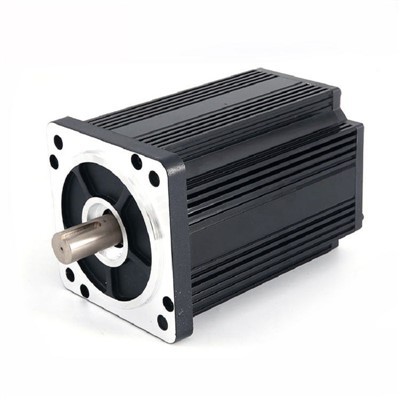
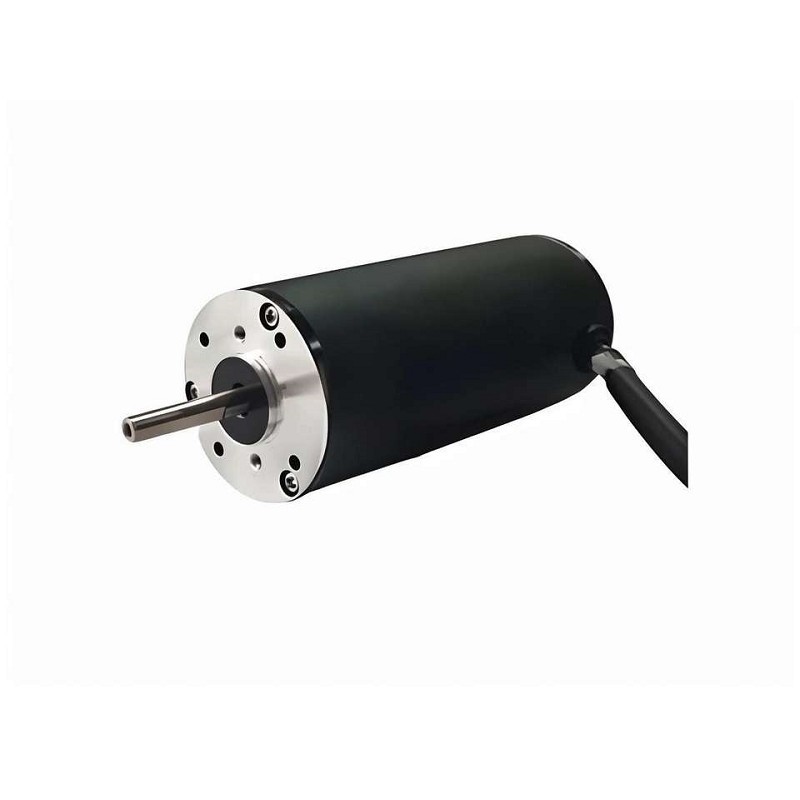
The High Speed BLDC motor High Speed Bldc Motor is designed to operate at extremely high rotational speeds. At these speeds, even minor imbalances or fluctuations in the system can initiate vibrations. If the excitation frequency of these vibrations matches the natural frequency of a motor component, the amplitude of the vibrations can increase significantly.
Effects on Rotor Dynamics
The rotor is a critical component of a BLDC motor, and mechanical resonance can have a detrimental effect on its performance. Resonant vibrations in the rotor can lead to increased mechanical stress, which may cause fatigue failure over time. The added stress can also result in misalignment of the rotor, which disrupts the magnetic field interaction between the rotor and stator.
When the rotor experiences resonance, it can cause uneven wear on the bearings. Uneven bearing wear not only shortens the bearing's lifespan but can also introduce additional vibrations into the system. These vibrations can then be transmitted to other parts of the motor, exacerbating the problem. Additionally, the increased vibrations can make the motor less efficient, as more energy is wasted in the form of vibration rather than being converted into useful mechanical power.
Impact on Stator and Winding Integrity
The stator of a BLDC motor houses the windings that create the magnetic field necessary for the motor's operation. Resonant vibrations can cause the windings to move within the stator slots. This movement can lead to insulation damage, which increases the risk of short - circuits. Once a short - circuit occurs, the motor's performance can be severely degraded, and in extreme cases, it can lead to complete motor failure.
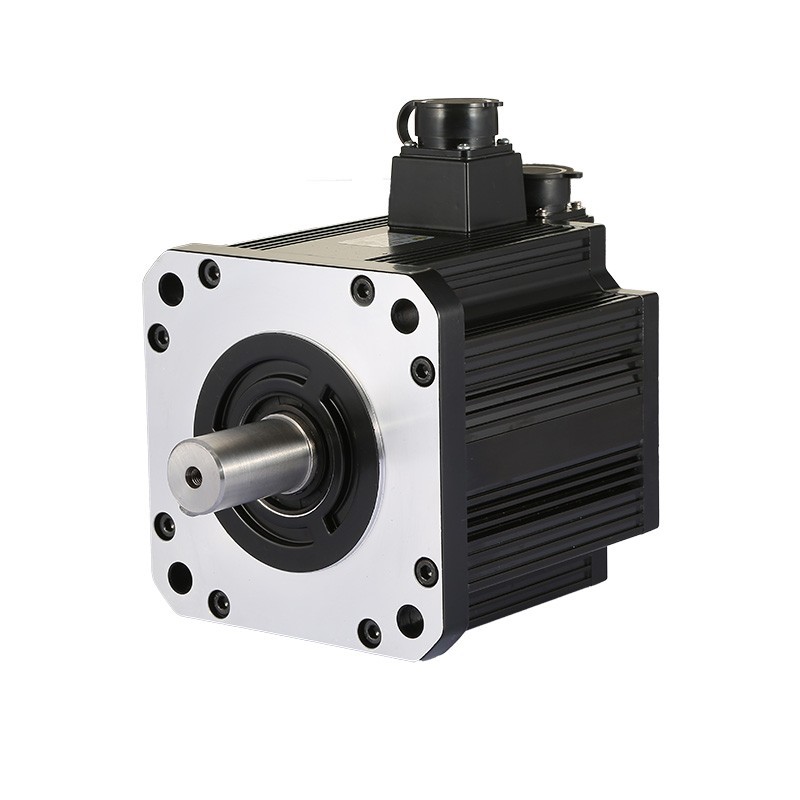
Moreover, the mechanical stress caused by resonance can also affect the stator's structural integrity. Over time, repeated vibrations can cause cracks to form in the stator core, which can further weaken the magnetic field and reduce the motor's torque output. A permanent magnet brushless DC motor Permanent Magnet Brushless Dc Motor is particularly sensitive to these issues, as the integrity of the magnetic field is crucial for its operation.
Influence on Motor Control
The performance of a High Speed BLDC motor is highly dependent on its control system. Mechanical resonance can disrupt the normal operation of the motor controller. The increased vibrations can cause fluctuations in the motor's back - EMF (electromotive force), which is used by the controller to determine the rotor position.
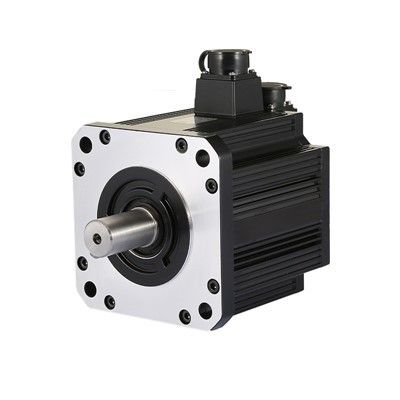
When the back - EMF is distorted due to resonance, the motor controller may misinterpret the rotor position, leading to incorrect commutation. Incorrect commutation can result in reduced torque, increased power consumption, and even motor instability. An intelligent brushless motor controller Intelligent Brushless Motor Controller is designed to adapt to various operating conditions, but excessive resonance can overwhelm its capabilities.
Consequences for Overall System Performance
In applications where a High Speed BLDC motor is integrated into a larger system, the effects of mechanical resonance can be far - reaching. For example, in a precision manufacturing process, the vibrations caused by resonance can lead to inaccuracies in the machining operations. In a medical device, such as a high - speed centrifuge, resonance - induced vibrations can affect the accuracy of the test results.
In addition, the increased noise and vibration levels associated with resonance can be a significant drawback. In applications where quiet operation is required, such as in some consumer electronics or office equipment, the excessive noise can be a major issue. The vibrations can also cause discomfort to operators in industrial settings, potentially leading to safety concerns.
Mitigation Strategies
As a supplier of high - speed BLDC motors, we understand the importance of mitigating the effects of mechanical resonance. One of the primary strategies is to carefully design the motor to avoid resonance frequencies within the normal operating speed range. This involves optimizing the mass, stiffness, and damping characteristics of the motor components.
Balancing the rotor is another crucial step. A well - balanced rotor reduces the likelihood of initiating vibrations that could lead to resonance. Advanced manufacturing techniques can be employed to ensure high - precision balancing. Additionally, using high - quality bearings with good damping properties can help absorb some of the vibrations and reduce the risk of resonance.
The motor control system can also be optimized to mitigate the effects of resonance. Adaptive control algorithms can be implemented to detect and compensate for the vibrations caused by resonance. These algorithms can adjust the motor's operating parameters in real - time to maintain stable operation.
Case Studies
Let's consider a case where a 48v 3000w brushless motor 48v 3000w Brushless Motor was used in a high - speed conveyor system. Initially, the motor experienced excessive vibrations and noise, which led to reduced conveying accuracy and premature component wear.
After a detailed analysis, it was found that the motor was operating near a resonant frequency of the rotor. By implementing a combination of rotor balancing and modifying the motor controller's parameters, the resonance issue was successfully mitigated. The vibrations were significantly reduced, and the conveyor system's performance improved dramatically, with increased accuracy and longer component lifespan.
Conclusion
In conclusion, mechanical resonance can have a profound and wide - ranging impact on the performance of a high - speed BLDC motor. From affecting the rotor dynamics and stator integrity to disrupting the motor control system and the overall system performance, the consequences of resonance cannot be ignored.
As a leading supplier of high - speed BLDC motors and related components such as the Bldc Permanent Magnet Motor Bldc Permanent Magnet Motor, we are committed to providing solutions that minimize the effects of mechanical resonance. Our team of experts is constantly researching and developing new techniques to design and manufacture motors that operate smoothly and efficiently, even at high speeds.
If you are in the market for high - speed BLDC motors or need assistance in addressing resonance - related issues in your existing motor systems, we encourage you to reach out to us for a detailed discussion. Our technical support team is ready to work with you to find the best solutions for your specific requirements.
References
- [Author, A. (Year). Title of the Book. Publisher.]
- [Author, B. (Year). Title of the Journal Article. Journal Name, Volume(Issue), Page numbers.]
- [Author, C. (Year). Title of the Conference Paper. Conference Name, Location, Date.]