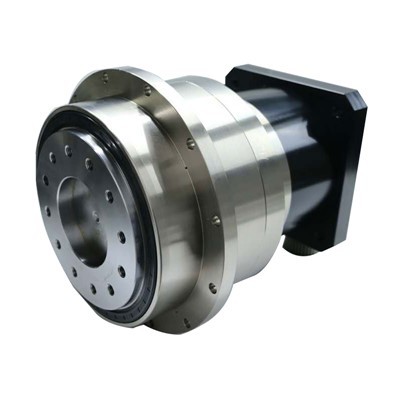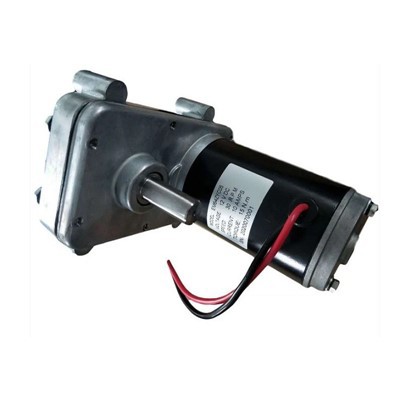
Anatomy of a Servomechanism: The Core Components
When we design high-performance motion control electronics, we rely on a precise combination of hardware to ensure flawless execution. A servo motor is not just a simple motor; it is a sophisticated, self-correcting system. To understand why it excels in industrial automation solutions, we need to break down the core components that make up the anatomy of a servomechanism.
[Image of servo motor internal components diagram]

The Motor Base
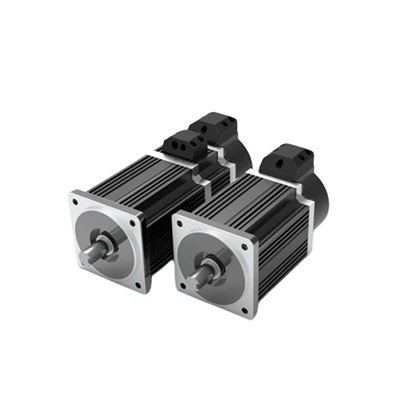
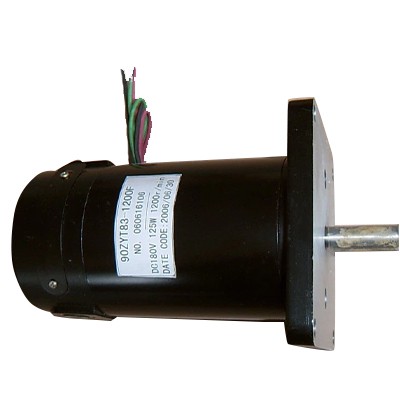
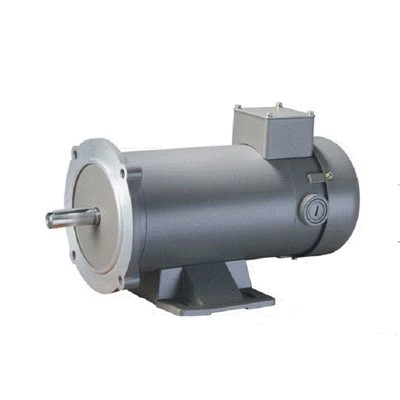
The foundation of any high-torque system is the motor base itself. We typically utilize a permanent magnet synchronous motor for our AC setups. This base delivers the raw mechanical power, converting electrical energy into rotational force with exceptional efficiency and thermal stability.
The Feedback Device (The Encoder/Resolver)
Precision requires constant communication. We integrate a high-resolution rotary encoder feedback system directly onto the motor shaft. This device constantly monitors the absolute position, speed, and acceleration of the motor, sending real-time data back to the controller to eliminate positioning errors before they happen.
The Control Circuit & Drive Amplifier
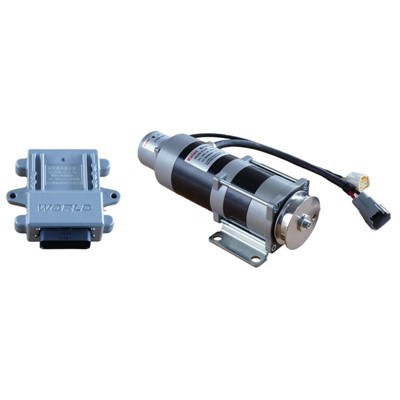
The brain of the operation consists of the motion control electronics and the servo drive amplifier. This system reads the target commands and compares them to the incoming encoder feedback. By utilizing advanced algorithms like Pulse Width Modulation (PWM), the amplifier instantly adjusts the voltage and current supplied to the motor, enabling real-time error correction.
The Gear Assembly
To match high-speed rotation with heavy-duty demands, we use precision engineering gear assemblies. This component optimizes the system by:
- Increasing output torque for demanding industrial workloads.
- Reducing rotational speed to manageable, ultra-precise levels.
- Improving inertia matching between the motor and the mechanical load.
| Component | Primary Function | Key Benefit |
|---|---|---|
| Motor Base | Generates electromagnetic force | High torque output & efficiency |
| Rotary Encoder | Tracks shaft position and speed | Eliminates positional drift |
| Drive Amplifier | Translates signals via PWM | Instant power adjustment |
| Gear Assembly | Alters torque-to-speed ratios | Optimized load management |

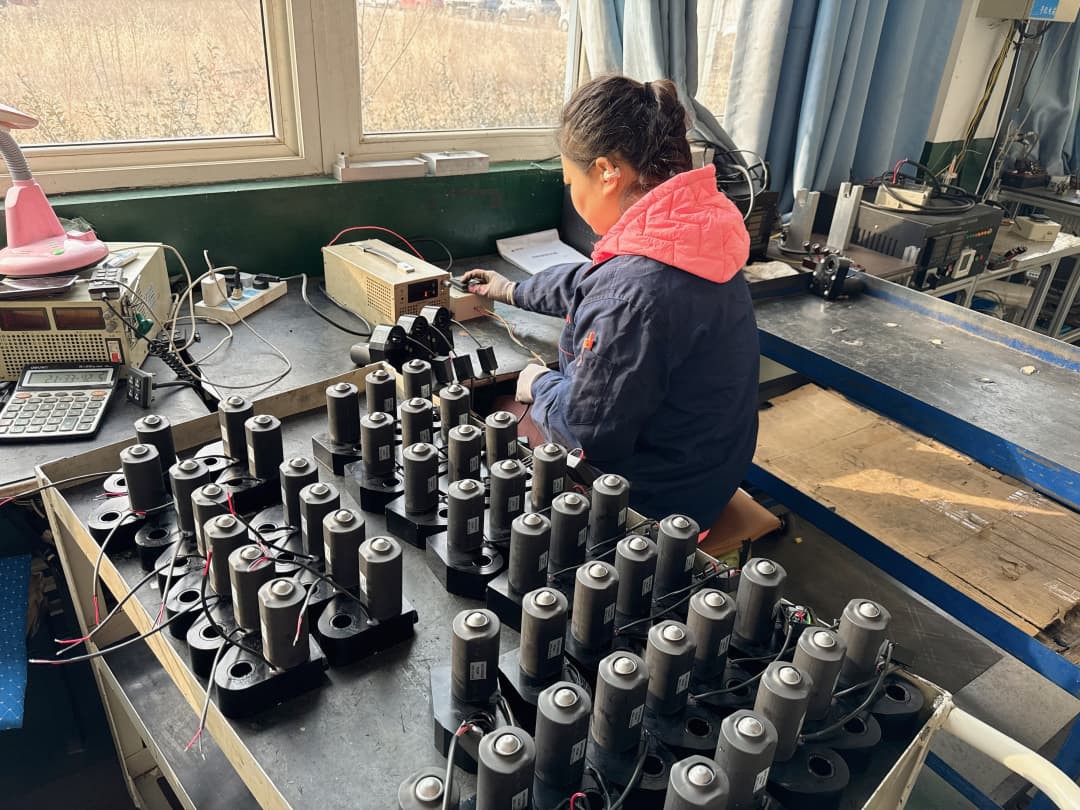
How a Servo Motor Works: The Closed-Loop System Explained
The Closed-Loop Concept
At the heart of every high-performance servo motor is the closed-loop control system. Unlike standard motors that run blindly, a closed-loop system constantly talks back to the controller. The motor receives a command, moves, and immediately verifies its actual position using a rotary encoder feedback device. It is a continuous loop of action, measurement, and adjustment that ensures the machine does exactly what it is told.
Signal Processing & Error Correction
This real-time error correction happens in milliseconds. The motion control electronics send a target signal to the servo drive amplifier, which powers the motor. As the motor moves, the encoder sends position data back to the drive. If there is any discrepancy between the target position and the actual position, the drive instantly recalculates the output using Pulse Width Modulation (PWM) to correct the error.
Why Precision Trumps Standard Motors
When you compare a servo motor to standard motors or stepper motors, precision is where we completely change the game. Standard motors lack the intelligence to correct for missed steps or external resistance.
- Zero Missed Steps: Continuous feedback eliminates positioning drift.
- Dynamic Adjustments: The system automatically compensates for load changes on the fly.
- High Torque Output at Speed: Maintains pinpoint accuracy even during rapid acceleration.
For any advanced industrial automation solution, this level of precision is non-negotiable. It prevents costly scrap, eliminates mechanical backlash, and delivers the absolute reliability that modern manufacturing demands.
Servo Motor vs. Stepper Motor: Key Engineering Decisions
Choosing between a servo motor and a stepper motor comes down to what your specific application demands: raw simplicity or absolute precision. Both have their place in industrial automation, but they handle positioning, speed, and torque in fundamentally different ways.
Feedback vs. Open-Loop Control
The biggest differentiator is how these motors track their position. A standard stepper motor operates in an open-loop system. It moves in fixed increments (steps) and assumes it reached the target. If it encounters too much resistance, it loses steps, causing positional errors that the system cannot detect on its own.
Conversely, a servo motor relies on a closed-loop control system. It uses a built-in rotary encoder feedback mechanism to constantly talk to the servo drive amplifier. If the motor is pushed off course, the motion control electronics catch the error instantly, triggering real-time error correction.
Torque-Speed Characteristics
The performance curves of these two technologies handle workloads differently as velocity changes:
- Stepper Motors: Deliver high torque output at zero or very low speeds. However, their torque drops off drastically as speed increases. They are ideal for holding positions but struggle at high RPMs.
- Servo Motors: Maintain a flat, consistent torque curve across their entire speed range, often up to 3,000 or 5,000 RPM. This makes them the go-to choice for high-speed, dynamic applications.
Cost vs. Performance Optimization
Every engineering decision involves balancing the budget against performance requirements.
| Feature | Stepper Motor | Servo Motor Solution |
|---|---|---|
| Control System | Open-Loop (No feedback) | Closed-Loop (Rotary encoder feedback) |
| High-Speed Torque | Drops off rapidly | Consistent throughout RPM range |
| Accuracy | Good (until it stalls or skips steps) | Excellent (Real-time error correction) |
| System Complexity | Low (Simple wiring and setup) | Moderate to High (Requires tuning) |
| Initial Cost | Budget-friendly | Higher upfront investment |
As a leading servo motor manufacturer, we design our systems for high-stakes environments like CNC machining applications and automated assembly lines. If your project demands high speeds, flawless positioning, and high power-such as a 750W servo motor for mid-range automation or a heavy-duty 3kW servo motor-investing in a closed-loop AC servo motor setup prevents costly downtime and guarantees precision. For simple, low-speed, fixed-load positioning where budget is the driving factor, a stepper motor may suffice.
Classifying Servo Motor Options: Finding Your Industrial Powerhouse
Choosing the right powerhouse for your automation setup comes down to understanding the distinct types of motors available. As a leading servo motor manufacturer, we focus on matching the right architecture to your specific torque, speed, and precision needs.
Here is how the three main categories stack up for United States industrial applications.
AC Servo Motor Systems
AC servo motor options are the gold standard for modern industrial automation solutions. Typically engineered as a permanent magnet synchronous motor, these units handle high-velocity, high-torque applications with incredible efficiency.
- Best For: Packaging lines, automotive assembly, and continuous high-speed operations.
- Key Advantage: Brushless design means virtually zero maintenance and a much longer operational lifespan.
- Power Scales: Perfect for standard mid-range platforms like a 750W servo motor all the way up to a heavy-duty 3kW servo motor.
DC Servo Motor Units
DC servo motors excel in applications requiring precise control at lower cost or when operating on battery and DC bus systems. While older brushed models require periodic maintenance, brushless DC variants offer excellent reliability.
- Best For: Mobile robotics, medical devices, and smaller automated guided vehicles (AGVs).
- Key Advantage: Exceptional starting torque and highly predictable, linear speed-torque characteristics.
- Control: Highly responsive to direct current adjustments, making the motion control electronics simpler and highly cost-effective.
Linear Servo Motor Solutions
When traditional rotary-to-linear conversions (like ballscrews or belts) introduce too much backlash, linear options are the ultimate upgrade.
- Best For: High-speed semiconductor manufacturing, laser cutting, and ultra-precise CNC machining applications.
- Key Advantage: Eliminates mechanical transmission entirely, delivering uncompromised acceleration and sub-micron positioning.
- Throughput: Drastically reduces cycle times by generating direct linear thrust.
Core Specifications Comparison
| Servo Motor Type | Speed Range | Maintenance Needs | Ideal US Industry Application |
|---|---|---|---|
| AC Servo Motor | High | Very Low (Brushless) | Factory Automation & Packaging |
| DC Servo Motor | Moderate | Low to Medium | AGVs & Battery-Powered Robotics |
| Linear Servo Motor | Ultra-High | Low (No Wear Components) | Semiconductor & High-End CNC |

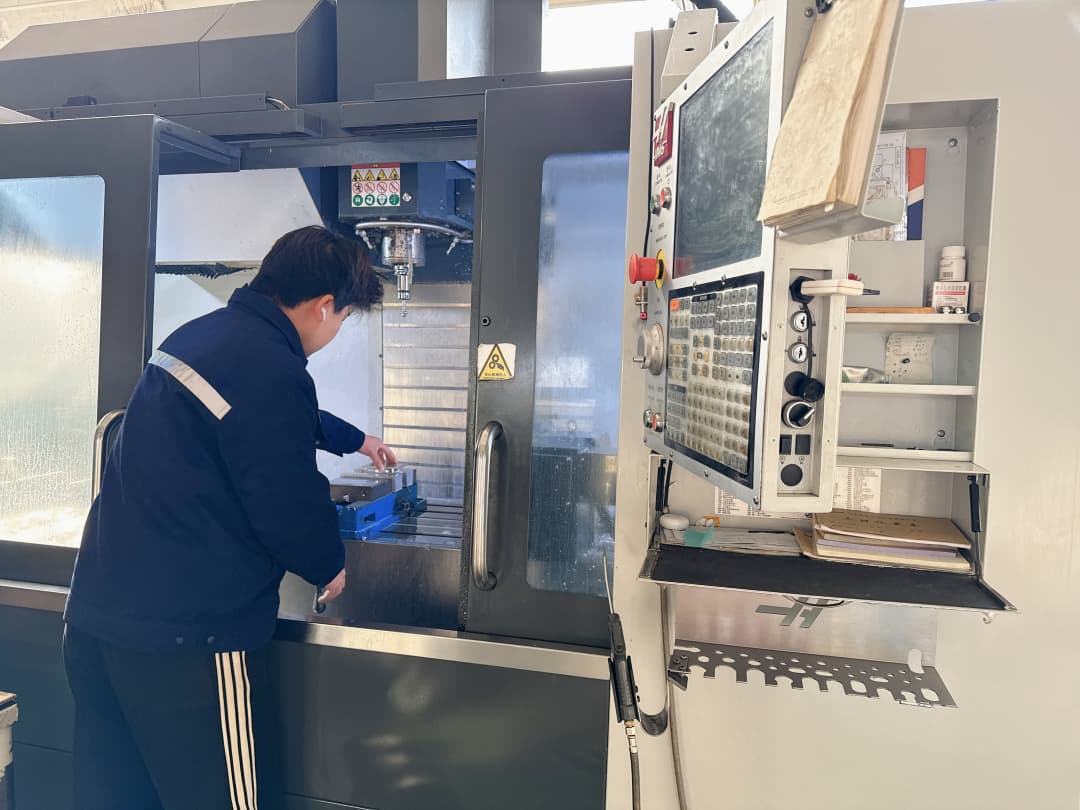
Industry Applications & Sizing Case Studies
Servo motors are the muscle behind modern industrial automation solutions. Choosing the right power profile changes everything when designing a motion control setup. Here is how these motors perform across different US manufacturing and robotics applications.
Robotics & Multi-Axis Articulation
Articulated robotic arms demand precise path tracking and instant response. Because these systems move in multiple axes simultaneously, they rely on a closed-loop control system to manage complex trajectories.
- Weight Minimization: High torque density allows smaller motors to handle larger payloads.
- Dynamic Response: Rapid acceleration and deceleration keep assembly lines moving at peak efficiency.
- Continuous Feedback: Rotary encoder feedback constantly reports the exact position of every joint to prevent collisions.
CNC Machining & Sub-Degree Milling
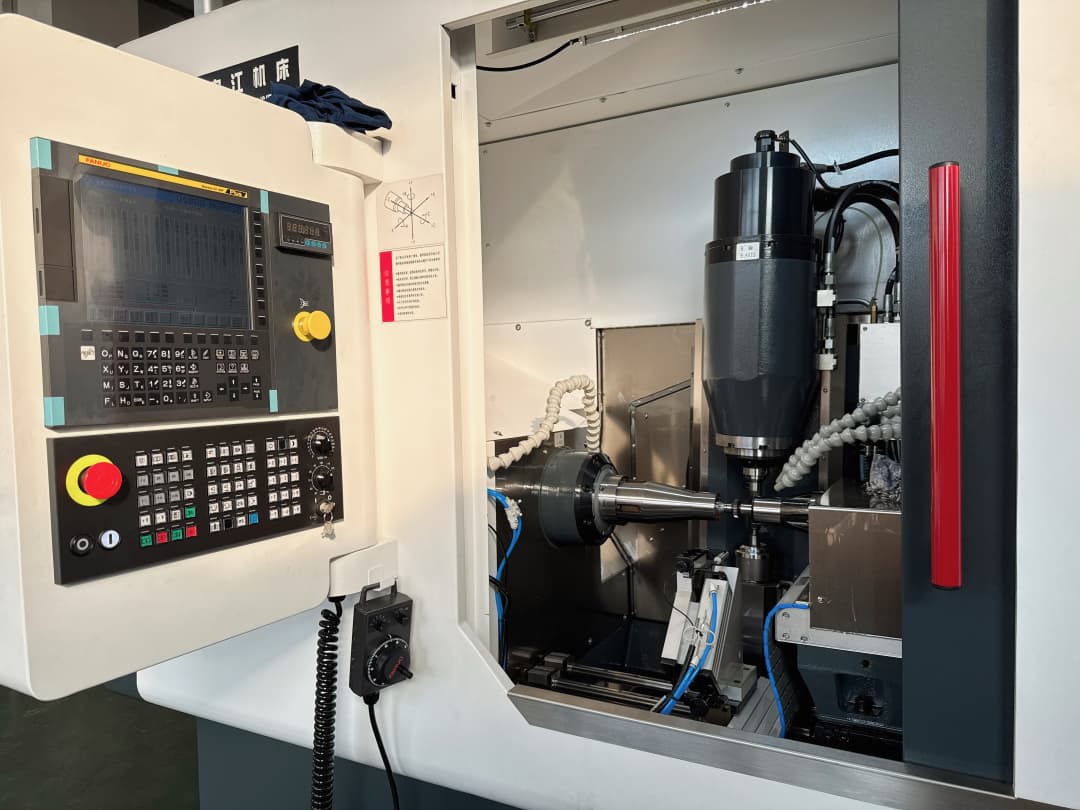
In CNC machining applications, standard motors cannot deliver the precision required for aerospace or medical component manufacturing. Sub-degree milling requires absolute positional accuracy under changing cutting loads.
- Error Elimination: Real-time error correction compensates for tool resistance instantly.
- Surface Finish: Smooth torque delivery eliminates machining artifacts and chattering marks on the workpiece.
- Stiffness: High holding torque maintains the toolpath even when cutting through hardened steel.
Mid-Range Automation Peak Performance: The 750W Servo Motor
For material handling, packaging lines, and light automated assembly, the 750W servo motor is the industry sweet spot. It provides the ideal balance of compact size and high speed for localized machinery.
| Feature | 750W Servo Motor Capability |
|---|---|
| Typical Applications | X-Y gantry tables, labeling machines, conveyor sorting, pick-and-place robots. |
| Key Advantage | High RPM capability combined with low rotor inertia for fast indexing. |
| Control Pairing | Pairs efficiently with standard motion control electronics and low-voltage drives. |
As a leading servo motor manufacturer, we build our 750W systems to handle high-duty cycles without overheating, making them a staple in US distribution centers.
Heavy Industrial Dynamic Control: The 3kW Servo Motor
When applications scale up to heavy material forming, automotive manufacturing, or large-scale printing presses, a 3kW servo motor is required. This power class delivers the high torque output necessary to move massive inertial loads without losing positional accuracy.
- Power Factor: Typically engineered as a permanent magnet synchronous motor for maximum electrical efficiency at high loads.
- Robust Drive Integration: Requires a heavy-duty servo drive amplifier capable of managing high current spikes during rapid reversals.
- Durability: Built with rugged enclosures to withstand harsh factory floor environments.
Selection Criteria: How to Partner with the Right Servo Motor Manufacturer
Choosing the right servo motor manufacturer is about finding a partner that understands the technical demands of your application. When we work with US automation engineers, we focus on three critical engineering benchmarks to ensure long-term system reliability.
Inertia Matching
Inertia matching dictates how effectively a servo motor controls a load during rapid acceleration and deceleration. If the load inertia is too high compared to the motor's rotor inertia, the system will experience resonance, overshoot, and tuning instability.
- Low-Inertia Motors: Ideal for high-cycle, light-load applications like packaging and electronics assembly.
- Medium-to-High Inertia Motors: Required for heavy-duty industrial automation solutions like material handling and large-scale machining where stability trumps raw speed.
A quality manufacturer provides comprehensive sizing software and engineering support to calculate the precise inertia ratio for your specific mechanics.
Environmental Ratings
Operating conditions in US manufacturing facilities vary wildly. Selecting the wrong housing enclosure leads to premature motor failure and costly downtime.
| IP Rating | Protection Level | Common Applications |
|---|---|---|
| IP65 | Dust-tight; protects against water jets. | General factory automation, clean environments. |
| IP67 | Dust-tight; withstands temporary immersion. | Food & beverage processing, washdown areas. |
| IP69K | High-pressure, high-temp washdown protection. | Pharmaceutical production, extreme chemical cleaning. |
We build our motors with robust shaft seals, corrosion-resistant coatings, and heavy-duty connectors to match the exact environmental footprint of your shop floor.
Thermal Design
Continuous high-torque operation generates heat, which can degrade internal insulation and demagnetize the permanent magnets inside the motor. Effective thermal design ensures the motor dissipates heat efficiently without sacrificing performance.
Look for manufacturers utilizing advanced housing geometries, high-grade thermal greases, and integrated thermal sensors (like PTC thermistors). Proper thermal management allows a 750W servo motor or a larger 3kW servo motor to run at peak capacity without triggering over-temperature faults on your servo drive amplifier.
Frequently Asked Questions (FAQs) About Servo Motors
What is the main difference between an AC and DC servo motor?
The choice between an AC servo motor vs DC servo motor comes down to power handling, brush maintenance, and your specific industrial automation solution requirements.
- AC Servo Motors: These typically use a permanent magnet synchronous motor design. They are brushless, virtually maintenance-free, and built to handle high-velocity, high-torque industrial applications.
- DC Servo Motors: These can be brushed or brushless. Brushed variants are simpler and cheaper upfront but require regular maintenance to replace worn brushes. They are generally better suited for smaller, cost-sensitive projects rather than heavy industrial environments.
Why would I choose a servo motor over a stepper motor?
When analyzing a stepper motor comparison, a servo motor wins on precision, speed, and reliability due to its closed-loop control system.
| Feature | Servo Motor | Stepper Motor |
|---|---|---|
| Feedback | Rotary encoder feedback for constant monitoring. | Open-loop; no position verification. |
| High-Speed Torque | Maintains high torque output at high speeds. | Torque drops off significantly as speed increases. |
| Accuracy | Real-time error correction prevents missed steps. | Can lose steps under heavy or sudden loads. |
What applications require a 750W servo motor vs a 3kW servo motor?
Sizing depends entirely on the payload, speed, and inertia of your machine. As a trusted servo motor manufacturer, we typically categorize these power bands based on the scale of operation:
- 750W Servo Motor: Ideal for mid-range automation. You will commonly find a 750w servo motor powering packaging lines, pick-and-place robotic arms, semiconductor handling equipment, and light-duty CNC machining applications.
- 3kW Servo Motor: Built for heavy industrial dynamic control. A 3kw servo motor is the go-to choice for heavy-duty CNC milling centers, large-scale material handling conveyors, metal stamping, and multi-axis heavy robotics that demand massive torque without sacrificing precision.
How do I prevent positional error in my motion control setup?
Eliminating positioning errors requires a tight integration of your motion control electronics and mechanical components.
- Use High-Resolution Feedback: Ensure your servo drive amplifier is paired with a high-resolution optical or magnetic encoder to catch micro-movements.
- Tune the Servo Drive: Optimize your proportional, integral, and derivative (PID) gains to eliminate hunting and overshoot.
- Implement Pulse Width Modulation (PWM): Utilize advanced Pulse Width Modulation (PWM) control within the drive to ensure smooth current delivery.
- Check Mechanical Rigidity: Eliminate backlash by using zero-backlash couplings and precision ball screws, allowing the system to achieve flawless real-time error correction.