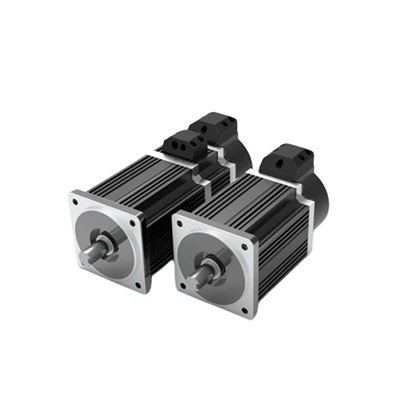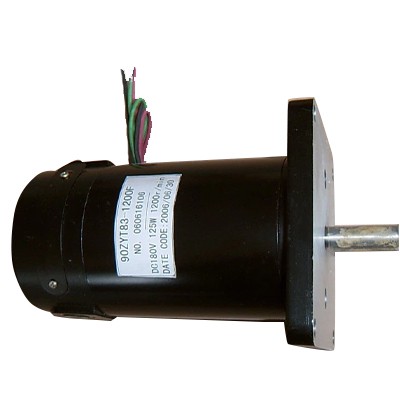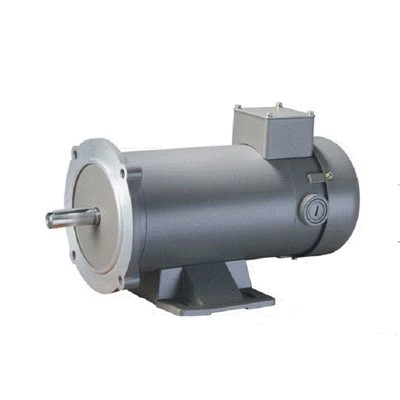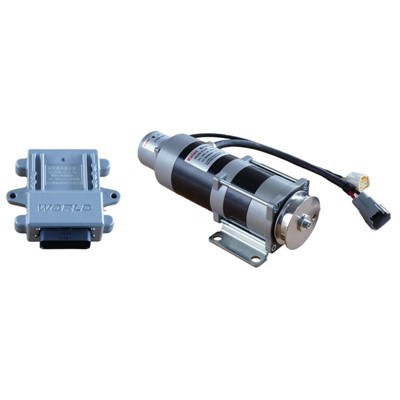
Servo motor performance must comply with international standards (IEC 60034-1) and industry specifications (such as SEMI S2 safety requirements for semiconductor equipment). The following parameters should be considered during selection:
Power Range: Select according to load requirements. Low power (0.1kW) is suitable for light-load scenarios, while high power (100kW and above) is used for heavy-load equipment.
Protection Rating: IP54 and above are dustproof and waterproof, suitable for harsh environments; IP65 or IP67 are suitable for humid or corrosive environments.
Communication Protocol: Servo motors supporting industrial bus protocols such as EtherCAT and PROFINET can achieve rapid data interaction with PLCs or other devices, improving system integration.
With the advancement of Industry 4.0, servo motors are developing towards intelligence and integration. For example, "integrated servo motors" that integrate encoders and drivers can reduce wiring complexity; servo systems supporting AI algorithms can further improve energy efficiency and accuracy by self-learning and optimizing control parameters. In addition, direct-drive servo motors (DD motors) are gradually replacing the traditional servo motor + reducer combination in high-end equipment because they have no mechanical transmission links.