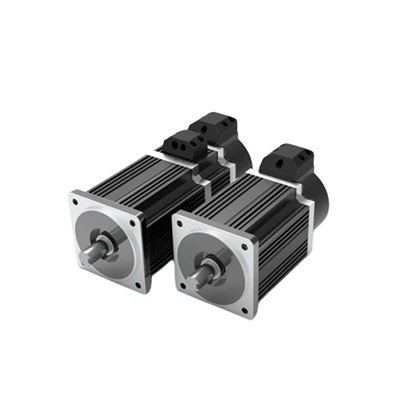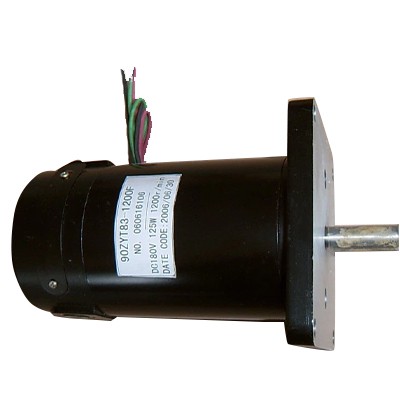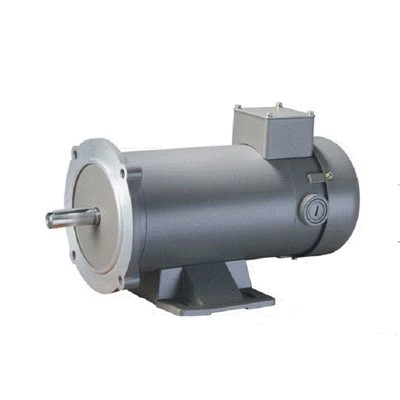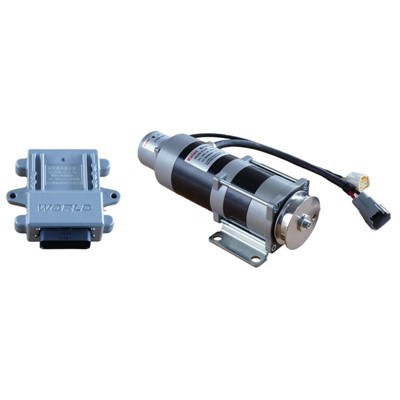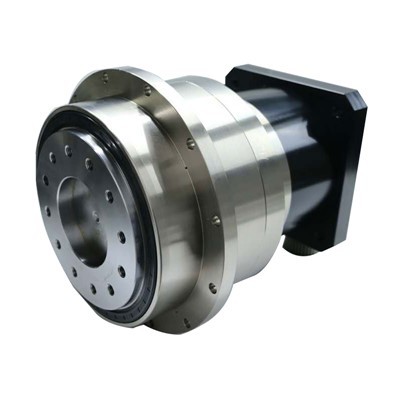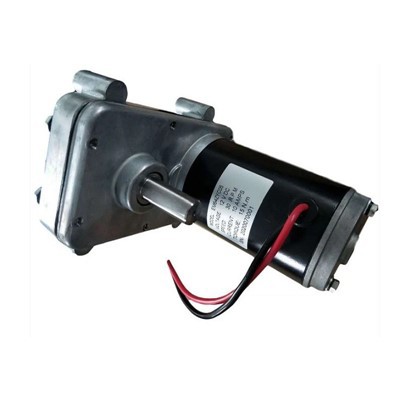
Gear motors are mechanical devices that use an electric motor as a power source and achieve low-speed, high-torque transmission through a gear reduction device. They have a rated frequency of 50/60Hz and a voltage of 220V, and are widely used in smart homes, robot transmission, and industrial automation equipment. The gearbox consists of multi-stage gear pairs, using copper or iron oil-impregnated bearings, with a total reduction ratio ranging from 1:10 to 1:500, and special designs can reach over 1:1000.
These devices are characterized by their small size (minimum diameter 3.4mm), high transmission efficiency (single-stage greater than 96.5%), and low noise. Core components include planetary gear reducers and worm gear reducers. Selection requires calculation of the reduction ratio and load torque. During installation, voltage stability must be verified and lubrication standards followed. For single-phase models, residual charge on the capacitors must be handled after power failure. Main products include customized types such as energy storage geared motors and RV geared motors. Some manufacturers hold up to 82 patents, with protection levels reaching IP55. Driven by policies such as GB18613-2020, the gear industry is developing towards high efficiency and energy saving.