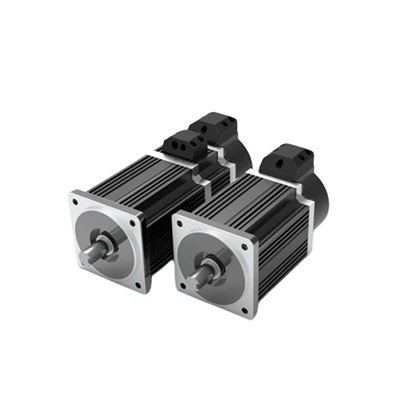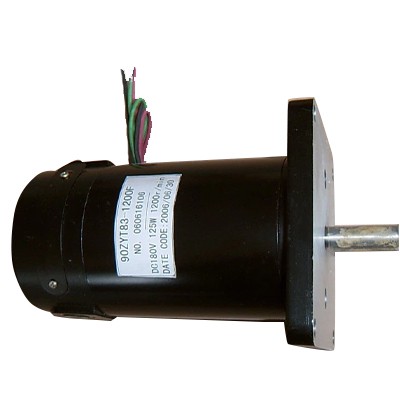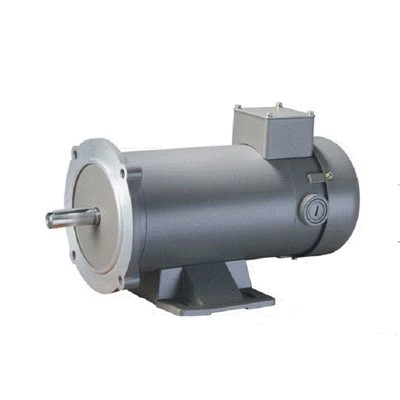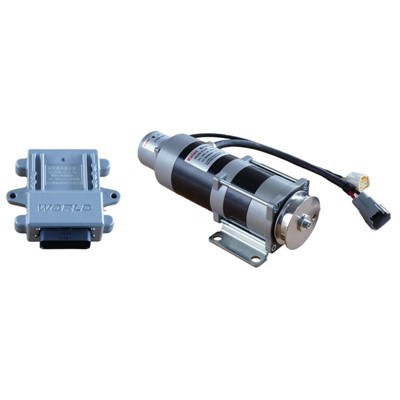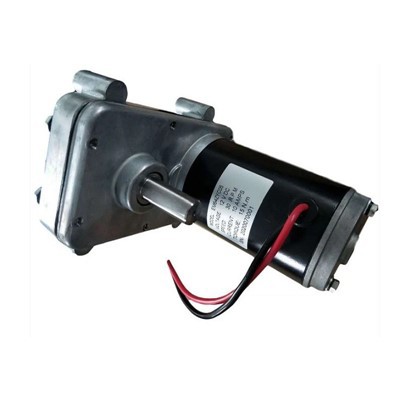
Visual Inspection: Inspect the DC motor casing for deformation, cracks, or rust; check the junction box for damage; and ensure the nameplate information is clear.
Insulation Resistance Test: Use a megohmmeter to measure the insulation resistance between the motor windings and the casing, ensuring it meets the standard (usually not less than 1MΩ).
DC Resistance Test: Measure the DC resistance of the armature winding and the field winding, checking for short circuits, open circuits, or poor contact.
No-Load Test: Run the motor at rated voltage, observing whether its no-load current and speed are normal, and checking for abnormal vibration or noise.
Load Test: Run the motor under rated load, testing whether its output power, efficiency, and temperature rise meet design requirements.
Commutation Performance Check: Observe the sparking between the brushes and the commutator; the spark level should be within the allowable range (usually not exceeding level 1.5).
Withstand Voltage Test: Apply high voltage (usually twice the rated voltage + 1000V) to the windings for 1 minute, checking for insulation breakdown.
Dynamic performance testing: This tests the motor's starting, speed regulation, and braking performance to ensure that its response speed and stability meet the requirements.