Painting Process
This step is not only closely related to the product's appearance, but also plays a crucial role in improving its durability. Inside the paint booth, advanced automated equipment performs meticulous cleaning and preheating of the casing. The cleaning process thoroughly removes impurities and dirt from the casing surface, creating ideal adhesion conditions for subsequent painting. Preheating further enhances the adhesion and uniformity of the paint, ensuring a more durable finish. After cleaning and preheating, the casing is sent to the painting equipment for electrostatic spraying and baking. Electrostatic spraying technology ensures that the paint adheres evenly to the casing surface, while the baking process accelerates the curing process, making the paint smoother and more wear-resistant.
Winding Stage
As one of the core components of a geared motor, the quality of the windings directly affects the motor's performance and lifespan. After winding, each coil undergoes rigorous testing for phase-to-phase single-current and resistance. This is crucial because it ensures that each coil precisely meets predetermined quality standards, guaranteeing the stable and reliable performance of the entire motor.
Assembly Stage
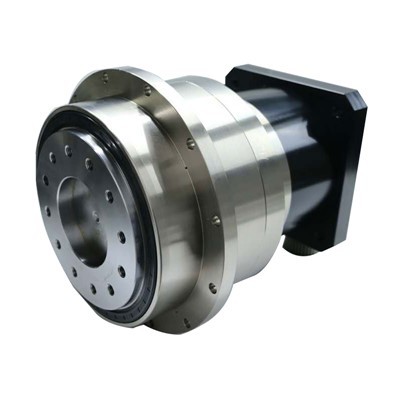
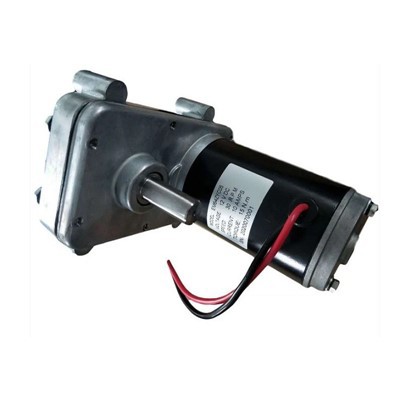
In this stage, the motor housing, coils, and other key components are assembled to form a complete geared motor. The precision motor housing is assembled first. An advanced thermal bonding process is used here, where heating expands the housing, allowing for precise and accurate assembly of all components. This process not only reduces the risk of damage during assembly but also improves the accuracy of fit and overall work efficiency. Next comes the installation of the junction box and the assembly of the coil housing. These two steps also require extremely high precision and meticulousness to ensure that the motor's electrical connections and mechanical structure are in optimal condition. After assembling these key components, the remaining parts of the motor are assembled, including the rotor, bearings, end covers, and gearbox. Every component is carefully selected and installed to ensure that the overall performance and reliability of the motor reach the highest level.
Inspection Phase
After assembly, the gear motor is sent to the inspection workshop for a series of comprehensive and meticulous tests, including performance tests and noise tests, to ensure that the product quality fully meets the pre-set high standards.
Packaging Phase
The gear motor will then undergo final, careful packaging and marking. Scientific and reasonable packaging methods effectively ensure that the product is not damaged during transportation; while clear and accurate marking facilitates product identification and traceability. During the packaging process, workers will meticulously inspect and package each product to ensure it is delivered to the customer in optimal condition. At the same time, they will print clear and concise identification information on the product, such as model number, production date, batch number, etc., so that customers can identify and trace it during subsequent use.