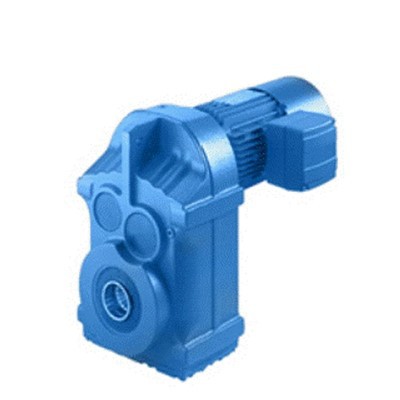

What is the temperature rise of a right angle DC gear motor during operation?
As a supplier of Right Angle Dc Gear Motor, I often receive inquiries from customers about the temperature rise of these motors during operation. Understanding the temperature rise is crucial for ensuring the motor's performance, reliability, and longevity. In this blog post, I will delve into the factors that influence the temperature rise of a right angle DC gear motor and provide some insights on how to manage it effectively.
Factors Affecting Temperature Rise
1. Electrical Losses
One of the primary sources of heat generation in a DC gear motor is electrical losses. These losses occur due to the resistance of the motor's windings. When current flows through the windings, it encounters resistance, which converts electrical energy into heat. The amount of heat generated is proportional to the square of the current and the resistance of the windings. Therefore, higher current levels or higher winding resistance will result in increased heat generation and a higher temperature rise.
2. Mechanical Losses
Mechanical losses in a DC gear motor also contribute to temperature rise. These losses are mainly caused by friction in the bearings, gears, and other moving parts. As the motor operates, the friction between these components generates heat. The efficiency of the gearbox also plays a significant role in mechanical losses. A less efficient gearbox will convert more of the input power into heat, leading to a higher temperature rise.
3. Load Conditions
The load conditions under which the motor operates have a direct impact on its temperature rise. When the motor is under a heavy load, it has to work harder to overcome the resistance, which results in increased power consumption and heat generation. On the other hand, a light load will cause the motor to consume less power and generate less heat. Therefore, it is important to match the motor's power rating to the load requirements to avoid overheating.
4. Ambient Temperature
The ambient temperature in which the motor operates is another important factor that affects its temperature rise. If the ambient temperature is high, the motor will have a harder time dissipating heat, which can lead to a higher temperature rise. Conversely, a lower ambient temperature will allow the motor to dissipate heat more effectively, resulting in a lower temperature rise.
Measuring Temperature Rise
To determine the temperature rise of a right angle DC gear motor, it is necessary to measure the motor's temperature before and during operation. This can be done using a temperature sensor, such as a thermocouple or a resistance temperature detector (RTD). The temperature sensor should be placed in a location that is representative of the motor's overall temperature, such as on the motor housing or near the windings.
The temperature rise is calculated by subtracting the ambient temperature from the motor's operating temperature. For example, if the ambient temperature is 25°C and the motor's operating temperature is 65°C, the temperature rise is 40°C.
Managing Temperature Rise
1. Proper Sizing
One of the most effective ways to manage the temperature rise of a right angle DC gear motor is to ensure that it is properly sized for the application. This means selecting a motor with a power rating that is appropriate for the load requirements. An oversized motor will consume more power than necessary, leading to increased heat generation, while an undersized motor will be overloaded and may overheat.


2. Adequate Ventilation
Proper ventilation is essential for dissipating heat from the motor. The motor should be installed in a well-ventilated area to allow air to circulate around it. This can help to reduce the temperature rise and prevent overheating. In some cases, additional cooling methods, such as fans or heat sinks, may be required to ensure adequate heat dissipation.
3. Regular Maintenance
Regular maintenance is also important for managing the temperature rise of a right angle DC gear motor. This includes checking the motor's bearings, gears, and other components for wear and tear, and lubricating them as needed. A well-maintained motor will operate more efficiently and generate less heat.
4. Monitoring and Control
Monitoring the motor's temperature during operation is crucial for detecting any potential problems early on. This can be done using a temperature sensor and a monitoring system. If the temperature rise exceeds the recommended limit, the motor should be shut down immediately to prevent damage. In some cases, it may be necessary to adjust the motor's operating parameters, such as the speed or load, to reduce the temperature rise.
Conclusion
In conclusion, the temperature rise of a right angle DC gear motor during operation is influenced by a variety of factors, including electrical losses, mechanical losses, load conditions, and ambient temperature. By understanding these factors and taking appropriate measures to manage them, it is possible to ensure the motor's performance, reliability, and longevity.
If you are in the market for a 12v Dc Gear Motor High Torque or a High Precision Planetary Gearbox, we are here to help. Our team of experts can provide you with the information and support you need to select the right motor for your application. Contact us today to discuss your requirements and start the procurement process.
References
- Motor Handbook, 3rd Edition, by Eric Packer
- Electric Motors and Drives: Fundamentals, Types and Applications, by Austin Hughes and Bill Drury