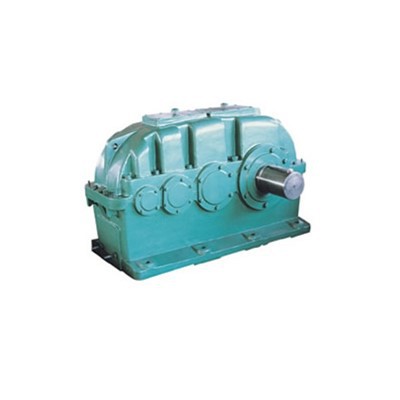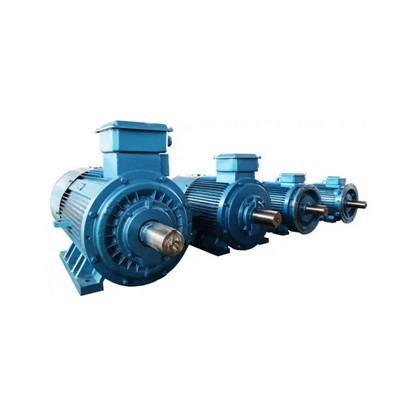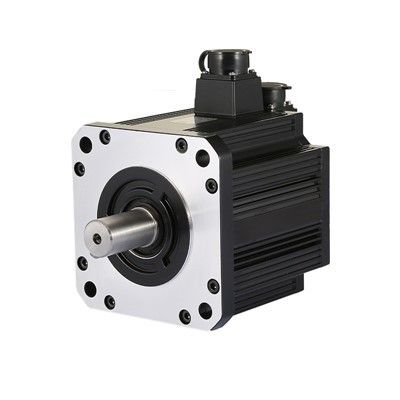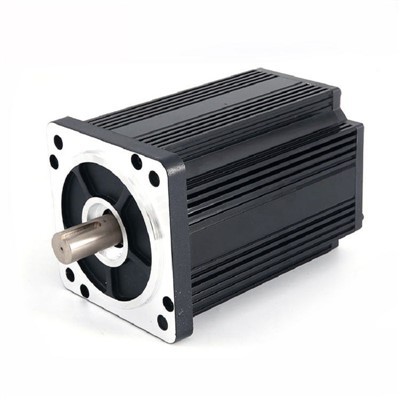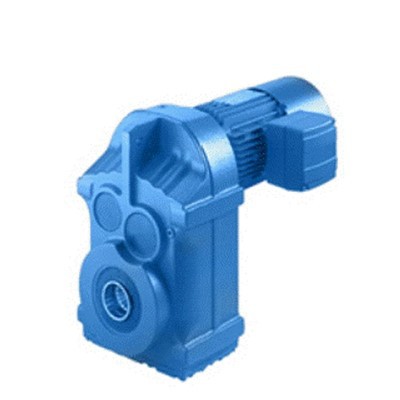

Hey there! As a supplier of Srm Drives, I've been keeping a close eye on the research hotspots in this field. SRM drives, short for Switched Reluctance Motor drives, have been gaining a lot of traction in various industries. Let's dive into what's currently hot in SRM drive research.
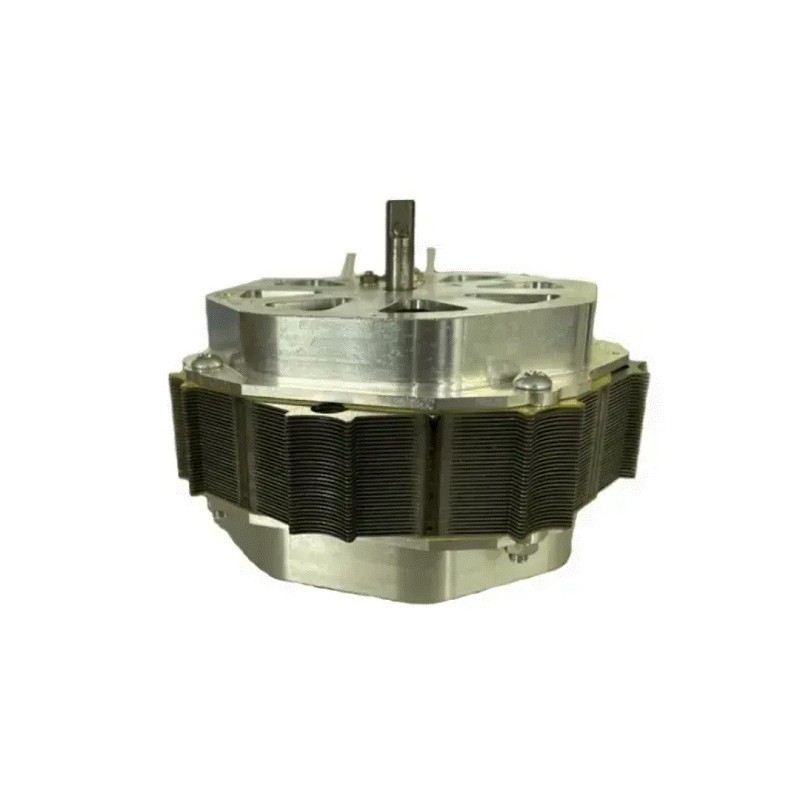

High - Efficiency Design
One of the major research hotspots is high - efficiency design. In today's world, energy conservation is a top priority. SRM drives have the potential to be highly efficient, but achieving that requires some serious R & D. Researchers are looking at optimizing the motor's magnetic circuit. By carefully designing the shape and material of the stator and rotor poles, we can reduce magnetic losses. For example, using high - performance magnetic materials can improve the magnetic flux density, which in turn increases the motor's efficiency.
Another aspect of high - efficiency design is the control strategy. Advanced control algorithms, such as direct torque control (DTC) and model predictive control (MPC), are being explored. These algorithms can adjust the motor's operation in real - time based on the load and other factors. For instance, DTC can directly control the torque and flux of the SRM, reducing the torque ripple and improving the overall efficiency.
Torque Ripple Reduction
Torque ripple is a common problem in SRM drives. It can cause vibrations and noise, which are not desirable in many applications. So, reducing torque ripple is a big research area. One approach is to use advanced control methods. For example, by adjusting the switching angles of the power switches in the drive circuit, we can smooth out the torque output.
Another way is to modify the motor's structure. Some researchers are looking at using segmented rotors or special stator winding configurations. These changes can help to distribute the magnetic forces more evenly, reducing the torque ripple. For instance, a segmented rotor can break up the magnetic field in a way that reduces the sudden changes in torque.
Integration with Renewable Energy Systems
With the increasing popularity of renewable energy sources like solar and wind, integrating SRM drives with these systems is a hot topic. SRM drives can be used in wind turbines and solar power systems. In wind turbines, SRM drives can control the generator's speed and power output. They can adjust to the changing wind conditions, ensuring maximum power extraction.
In solar power systems, SRM drives can be used in pumps and other equipment. They can operate efficiently under different solar irradiance levels. The research here focuses on developing control strategies that can synchronize the SRM drive with the renewable energy source. For example, using maximum power point tracking (MPPT) algorithms to optimize the power output of the solar panels and the operation of the SRM drive.
Axial Flux Reluctance Motor
The Axial Flux Reluctance Motor is also an area of active research. Compared to traditional radial flux SRMs, axial flux SRMs have some unique advantages. They have a more compact design, which is beneficial for applications where space is limited. They also have a higher power density, which means they can deliver more power in a smaller package.
Researchers are working on improving the performance of axial flux SRMs. This includes optimizing the magnetic circuit, reducing the losses, and developing better control strategies. For example, by using advanced finite element analysis (FEA) software, they can simulate the magnetic field distribution in the motor and make design improvements.
Fault Diagnosis and Tolerance
Fault diagnosis and tolerance are crucial for the reliable operation of SRM drives. In industrial applications, a motor failure can lead to significant downtime and losses. So, researchers are developing methods to detect faults in SRM drives early. This can be done by monitoring the motor's electrical and mechanical parameters, such as current, voltage, and vibration.
Once a fault is detected, the system should be able to tolerate it and continue operating. This is called fault - tolerant control. For example, if one phase of the SRM drive fails, the control system can reconfigure the operation to use the remaining phases. This ensures that the motor can still provide some level of performance until the fault is repaired.
Application - Specific Research
SRM drives are used in a wide range of applications, from electric vehicles to industrial machinery. So, there is a lot of research focused on specific applications. In electric vehicles, for example, researchers are looking at improving the SRM drive's performance in terms of acceleration, range, and efficiency. They are also working on reducing the size and weight of the drive to make it more suitable for vehicle use.
In industrial machinery, SRM drives need to be able to handle different loads and operating conditions. Research in this area focuses on developing control strategies that can adapt to these changes. For example, in a conveyor belt system, the SRM drive needs to be able to start and stop smoothly and adjust the speed according to the load.
Conclusion
As you can see, there are many exciting research hotspots in the field of SRM drives. From high - efficiency design to fault diagnosis, each area has the potential to improve the performance and reliability of SRM drives. At our company, we are constantly keeping up with these research trends to provide the best Srm Drives to our customers.
If you're interested in learning more about SRM drives or are looking to purchase them for your application, we'd love to have a chat. We can discuss how our products can meet your specific needs and help you get the most out of your investment. Don't hesitate to reach out for a procurement discussion.
References
- Johnson, R. (2018). Switched Reluctance Motor Drives: Modeling, Simulation, and Control. CRC Press.
- Miller, T. J. E. (2001). Switched Reluctance Motors and Their Control. Magna Physics Publishing.
- Rahman, M. A. (2010). Electric Machines and Drives: A First Course. Cengage Learning.