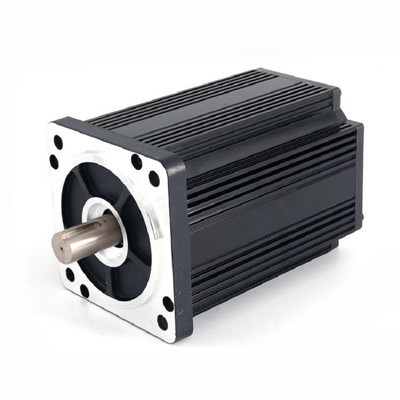

As a supplier of permanent magnet DC motors, I understand the importance of protecting these motors from over - current. Over - current can cause significant damage to the motor, leading to reduced performance, shortened lifespan, and even complete failure. In this blog post, I will share some effective ways to protect a permanent magnet DC motor from over - current.
Understanding Over - Current in Permanent Magnet DC Motors
Before we discuss the protection methods, it's essential to understand what causes over - current in permanent magnet DC motors. Over - current can occur due to several reasons, such as short - circuits in the motor windings, mechanical overloads, or improper power supply. When the current flowing through the motor exceeds its rated value, it generates excessive heat, which can damage the insulation of the windings and other components.
Using Fuses
One of the simplest and most common ways to protect a permanent magnet DC motor from over - current is by using fuses. A fuse is a safety device that breaks the circuit when the current exceeds a certain value. When selecting a fuse for a permanent magnet DC motor, it's crucial to choose one with the appropriate current rating. The fuse rating should be slightly higher than the normal operating current of the motor but low enough to protect the motor from over - current.
For example, if the rated current of a Permanent Magnet Dc Motor 90v is 5 amps, a fuse with a rating of 6 - 7 amps might be suitable. Fuses are relatively inexpensive and easy to install, making them a popular choice for over - current protection.
Circuit Breakers
Circuit breakers are another effective way to protect a permanent magnet DC motor from over - current. Unlike fuses, which need to be replaced after they blow, circuit breakers can be reset. A circuit breaker automatically trips when the current exceeds a pre - set value, interrupting the flow of electricity to the motor.
There are different types of circuit breakers, including thermal circuit breakers and magnetic circuit breakers. Thermal circuit breakers work based on the principle of thermal expansion. When the current exceeds the rated value, the heat generated causes a bimetallic strip to bend, which trips the breaker. Magnetic circuit breakers, on the other hand, use a magnetic field to detect over - current. When the current is too high, the magnetic field causes a plunger to move, tripping the breaker.
Current Limiting Resistors
Current limiting resistors can also be used to protect a permanent magnet DC motor from over - current. A current limiting resistor is connected in series with the motor. The resistor reduces the current flowing through the motor by increasing the total resistance in the circuit.


The value of the current limiting resistor depends on the motor's specifications and the desired current limit. When using a current limiting resistor, it's important to consider the power dissipation of the resistor. The resistor should be able to handle the power generated by the current flowing through it without overheating.
Over - Current Protection Relays
Over - current protection relays are more advanced devices that can provide accurate and reliable over - current protection for permanent magnet DC motors. These relays monitor the current flowing through the motor and trip the circuit when the current exceeds a set threshold.
Over - current protection relays can be adjusted to different current levels, allowing for customized protection. They can also provide additional features such as time - delay settings, which can be useful in situations where the motor experiences temporary current surges during startup.
Monitoring and Control Systems
Implementing a monitoring and control system can also help protect a permanent magnet DC motor from over - current. These systems use sensors to measure the current flowing through the motor and other parameters such as temperature and voltage.
If the current exceeds a certain value, the monitoring system can send a signal to a control device, which can then take appropriate action, such as reducing the power supply to the motor or shutting it down. Monitoring and control systems can provide real - time information about the motor's operation, allowing for early detection of over - current conditions.
Proper Motor Sizing and Selection
Proper motor sizing and selection are crucial for preventing over - current in permanent magnet DC motors. When choosing a motor for a specific application, it's important to consider the load requirements, operating conditions, and duty cycle.
Using a motor that is too small for the load can lead to over - current, as the motor will have to work harder to meet the demand. On the other hand, using a motor that is too large can be inefficient and costly. For example, if you need a motor for a light - duty application, a 12 Volt Dc Permanent Magnet Motor might be sufficient. However, for a more heavy - duty application, a 1 Hp Permanent Magnet Dc Motor could be a better choice.
Maintenance and Inspection
Regular maintenance and inspection of the permanent magnet DC motor can also help prevent over - current. Check the motor's windings, connections, and other components for signs of damage or wear. Loose connections can cause increased resistance, which can lead to over - current.
Clean the motor regularly to remove dust and debris, which can affect the motor's performance. Lubricate the bearings as recommended by the manufacturer to ensure smooth operation. By keeping the motor in good condition, you can reduce the risk of over - current and extend its lifespan.
Conclusion
Protecting a permanent magnet DC motor from over - current is essential for ensuring its reliable operation and longevity. By using fuses, circuit breakers, current limiting resistors, over - current protection relays, monitoring and control systems, and proper motor sizing and selection, you can effectively prevent over - current and protect your motor.
If you are in the market for high - quality permanent magnet DC motors or need more information on over - current protection, please feel free to contact us for procurement and further discussions. We are committed to providing you with the best products and solutions for your motor needs.
References
- Electric Machinery Fundamentals, Stephen J. Chapman
- Power Electronics: Converters, Applications, and Design, Mohan, Undeland, and Robbins