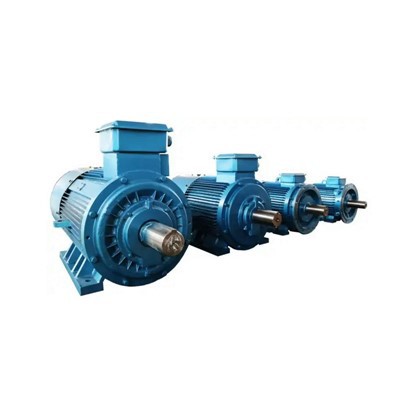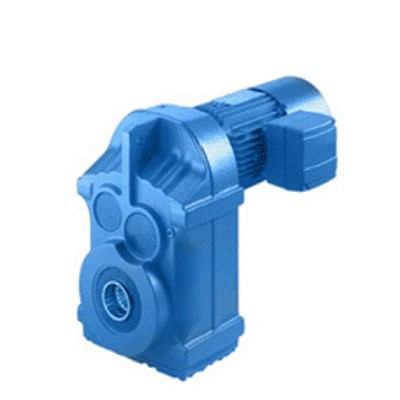

Reluctance electric motors have emerged as a significant player in the field of industrial automation due to their unique characteristics and advantages. As a supplier of reluctance electric motors, I am well - versed in the requirements for using these motors in industrial automation. In this blog, I will delve into the key requirements that need to be considered when integrating reluctance electric motors into industrial automation systems.
1. Power and Torque Requirements
One of the primary requirements for using a reluctance electric motor in industrial automation is to match the power and torque needs of the application. Industrial processes vary widely, from light - duty tasks such as conveyor belt movement to heavy - duty operations like metal forming.
For light - duty applications, a motor with lower power and torque ratings may suffice. For example, in a small - scale packaging line, a reluctance electric motor with a power output of a few kilowatts and a relatively low torque can efficiently drive the conveyor belts. On the other hand, heavy - duty applications demand motors with high power and torque capabilities. In an automotive manufacturing plant, where large presses are used for stamping metal parts, a reluctance electric motor with a high - power rating (e.g., hundreds of kilowatts) and substantial torque is required to perform the task effectively.
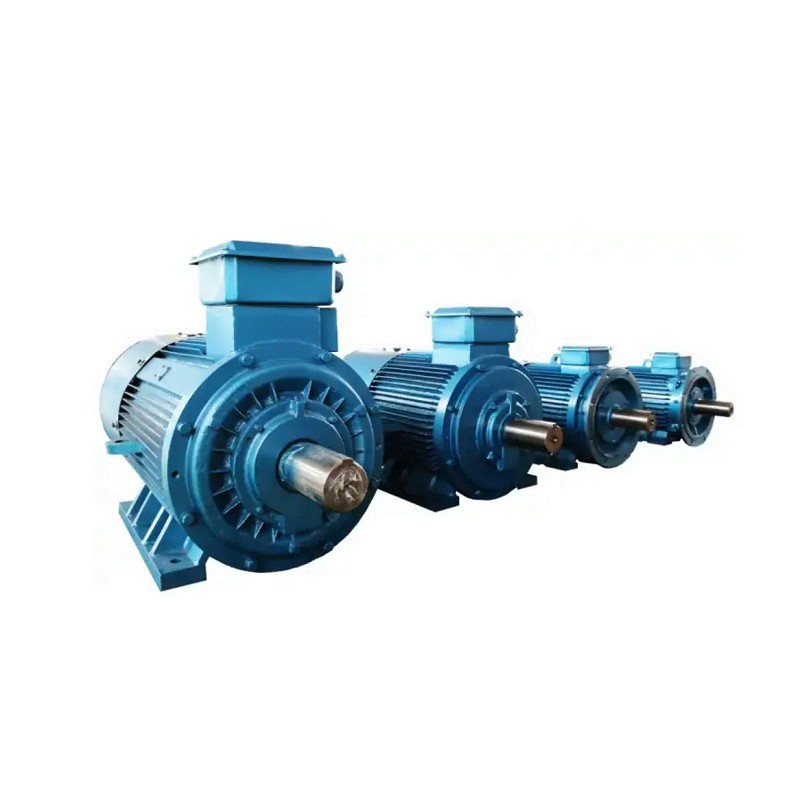
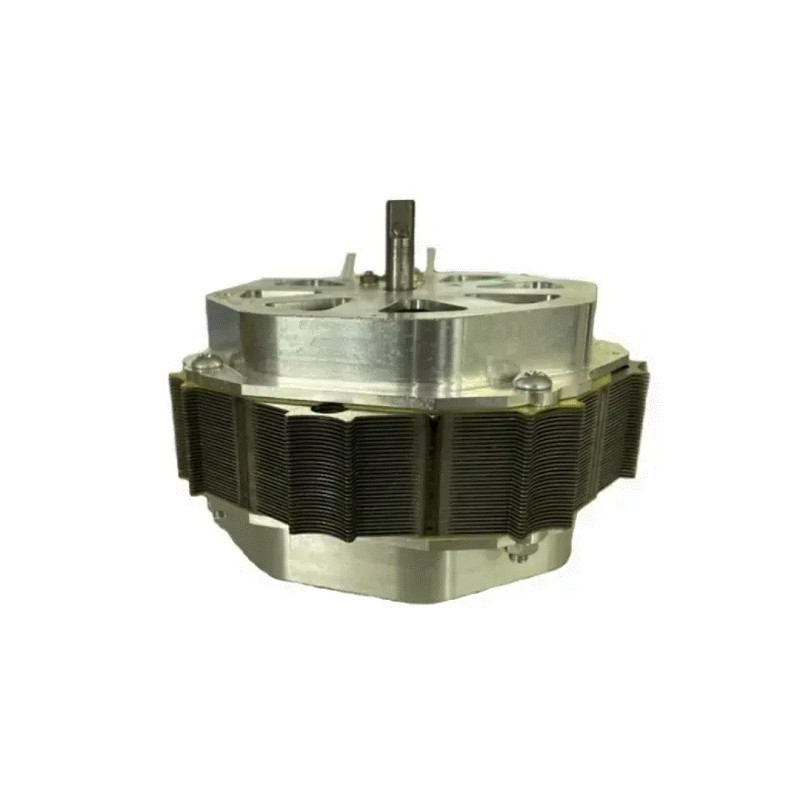
The power and torque requirements also influence the motor's size and design. Higher power and torque usually mean a larger motor, which may require more space in the industrial setup. Therefore, it is crucial to carefully assess the power and torque needs based on the specific industrial process to ensure optimal motor selection.
2. Speed and Control Requirements
Speed control is another critical aspect in industrial automation. Different industrial processes require different motor speeds, and the ability to precisely control the speed is essential for efficient operation.
Reluctance electric motors offer good speed control capabilities. In applications such as textile manufacturing, where the speed of the spinning machines needs to be adjusted according to the type of fabric being produced, a reluctance electric motor can be programmed to operate at various speeds. This is achieved through advanced control systems that can adjust the motor's input voltage and frequency.
In addition to speed control, the motor should also be able to start and stop smoothly. Abrupt starts and stops can cause damage to the machinery and disrupt the production process. A reluctance electric motor can be equipped with soft - start and soft - stop features, which gradually increase or decrease the motor's speed, reducing stress on the mechanical components.
3. Environmental Requirements
Industrial environments can be harsh, with factors such as temperature, humidity, dust, and vibration posing challenges to the operation of electric motors. When using a reluctance electric motor in industrial automation, it is necessary to consider these environmental factors.
For high - temperature environments, such as in steel mills or foundries, the motor should be designed to withstand elevated temperatures. Special insulation materials and cooling systems may be required to prevent overheating. In humid or wet environments, like food processing plants or water treatment facilities, the motor should be protected against moisture to avoid corrosion and electrical short - circuits.
Dust and debris can also accumulate on the motor, affecting its performance. Motors used in industries such as mining or cement production need to have proper dust - proof enclosures to prevent dust from entering the motor and causing damage. Vibration is another factor that can impact the motor's reliability. In applications where there is significant vibration, such as in construction equipment, the motor should be mounted on vibration - damping mounts to reduce the stress on the motor components.
4. Compatibility with Automation Systems
Reluctance electric motors need to be compatible with the existing industrial automation systems. This includes compatibility with control systems, sensors, and communication protocols.
Most industrial automation systems use programmable logic controllers (PLCs) to control the operation of motors. The reluctance electric motor should be able to communicate with the PLC effectively. This requires the motor to support the appropriate communication protocols, such as Modbus, Profibus, or Ethernet/IP. By supporting these protocols, the motor can receive commands from the PLC and provide feedback on its status, allowing for seamless integration into the automation system.
Sensors are also an important part of industrial automation. The motor should be able to work in conjunction with sensors such as speed sensors, position sensors, and temperature sensors. These sensors can provide real - time data about the motor's operation, which can be used to optimize its performance and prevent failures.
5. Maintenance and Reliability Requirements
In industrial automation, downtime can be extremely costly. Therefore, the reliability of the reluctance electric motor is of utmost importance. The motor should be designed for long - term operation with minimal maintenance.
Regular maintenance tasks for reluctance electric motors include checking the insulation resistance, lubricating the bearings, and inspecting the electrical connections. The motor should be designed in such a way that these maintenance tasks can be easily performed. For example, access panels should be provided for easy inspection and maintenance of internal components.
Reliability can also be enhanced through the use of high - quality materials and advanced manufacturing processes. A well - built reluctance electric motor can withstand the rigors of industrial operation and provide reliable performance over an extended period.
6. Cost - effectiveness
Cost is always a consideration in industrial automation. When selecting a reluctance electric motor, it is important to balance the initial cost of the motor with its long - term operating costs.
The initial cost of a reluctance electric motor may be higher than some other types of motors. However, its energy - efficient operation can result in significant cost savings over time. Reluctance electric motors have high efficiency, which means they consume less energy compared to traditional motors. This can lead to lower electricity bills and a reduced carbon footprint.
In addition, the lower maintenance requirements of reluctance electric motors can also contribute to cost - effectiveness. With less frequent maintenance and fewer breakdowns, the overall cost of ownership of the motor is reduced.
7. Safety Requirements
Safety is a top priority in industrial automation. Reluctance electric motors should comply with relevant safety standards and regulations.
The motor should be equipped with safety features such as over - current protection, over - temperature protection, and short - circuit protection. These features can prevent damage to the motor and ensure the safety of the operators. In addition, the motor should be properly grounded to prevent electrical shocks.
When installing the motor in an industrial environment, it is important to follow safety guidelines. For example, the motor should be installed in a well - ventilated area to prevent overheating, and it should be protected by appropriate guards to prevent accidental contact with moving parts.
As a supplier of Reluctance Electric Motor, we understand the importance of meeting these requirements. Our motors are designed and manufactured to meet the diverse needs of industrial automation applications. Whether you are looking for a motor for a small - scale operation or a large - scale industrial process, we can provide you with the right solution.
If you are interested in learning more about our Reluctance Electric Motor or have specific requirements for your industrial automation project, please feel free to contact us for a detailed discussion. We are committed to providing high - quality products and excellent customer service.
References
- "Electric Motors and Drives: Fundamentals, Types and Applications" by Austin Hughes and Bill Drury
- "Industrial Automation Handbook" by David A. Wlodkowski
- Technical documentation from various manufacturers of reluctance electric motors