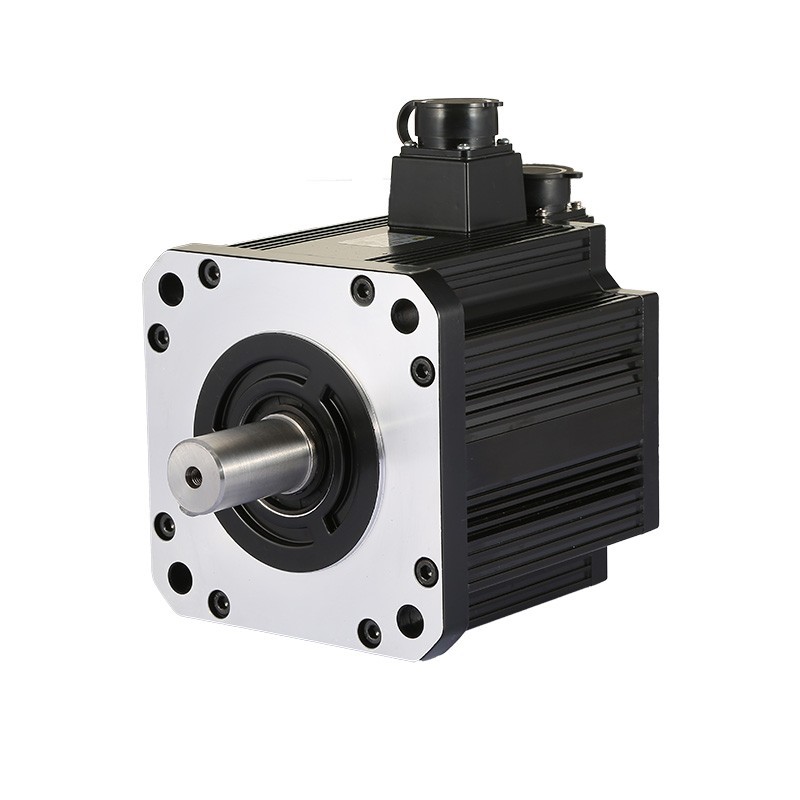
Advantages of PMSM
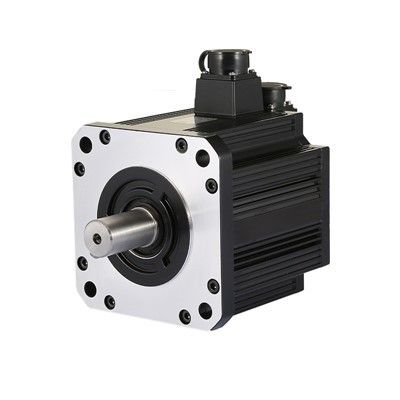
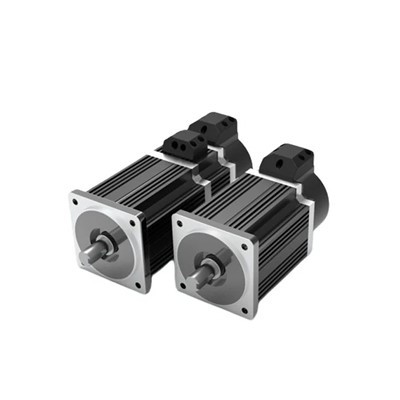
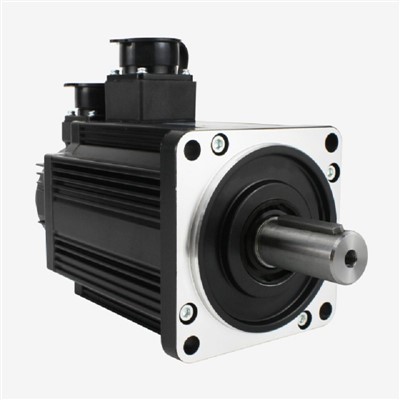
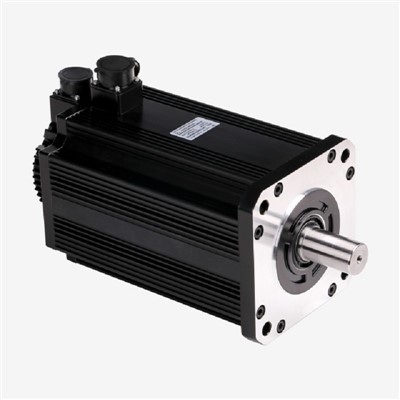
In the field of modern industrial automation, Permanent Magnet Synchronous Motors (PMSMs) are regarded as the benchmark for high-performance brushless servo motors. By adopting high-energy permanent magnets on the rotor, the motors eliminate rotor copper loss and thus achieve outstanding energy efficiency.
High Torque Density: Deliver maximum torque output with a compact, space-saving footprint.
Rapid Dynamic Response: Feature ultra-high acceleration and deceleration response speed to satisfy stringent motion control system requirements.
Synchronous Operation: The rotor speed matches the rotational speed of the magnetic field generated by the stator completely, ensuring excellent synchronization performance.
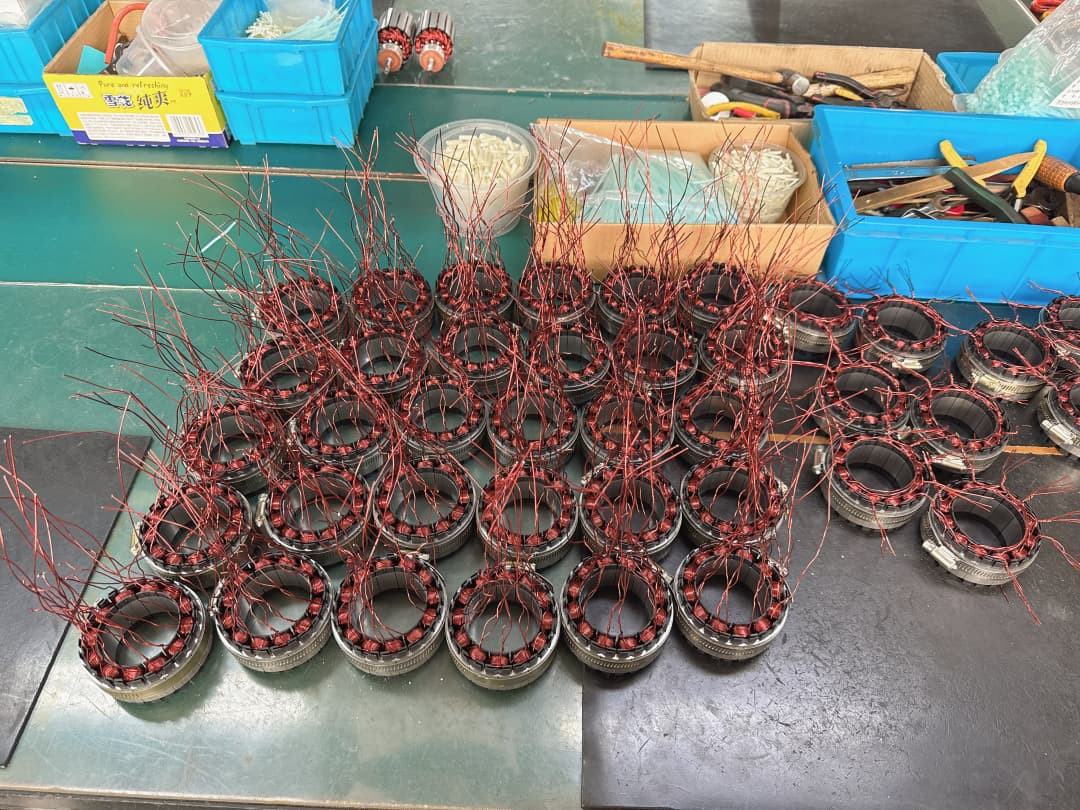
Core Components and Integrated Feedback Loops
As a leading electric servo motor manufacturer, we engineer our motion control systems with three interconnected, precision-machined elements:
| Component | Function & Material Technology |
|---|---|
| Stator | The stationary outer housing containing high-density copper windings. When energized by AC or DC current, it generates the rotating magnetic field. |
| Rotor | The inner rotating shaft lined with powerful rare-earth permanent magnets that react directly to the stator's magnetic field. |
| Feedback Loop | An integrated high-resolution encoder or resolver that continuously tracks position, feeding precise data back to the servo drive to correct deviations instantly. |
Key Technical Specifications & Performance Benchmarks
Auric's electric servo motor series covers a full range of configurations, from compact low-power actuators to the industry-standard 750W servo motors that serve as the core of most automated machinery. We can match the appropriate voltage architecture to your system layout.
Low-voltage DC Servo (24V/48V): Designed for AGVs, mobile robots and battery-powered medical devices with limited installation space and safety voltage requirements.
Industrial AC Mains (220V/380V): Suitable for heavy-duty industrial motion control systems, CNC machining equipment and high-output packaging production lines.
| Configuration | Rated Voltage | Rated Torque | Peak Precision Applications |
|---|---|---|---|
| Low-Voltage DC | 24V / 48V DC | 0.32 Nm - 1.27 Nm | AGVs, Pick-and-Place, Cobots |
| Standard AC Industrial | 220V AC (Single/3-Phase) | 2.4 Nm (750W Standard) | CNC Machine Servo Motor Systems |
| High-Capacity AC | 380V / 480V AC | Up to 45 Nm | Heavy Automotive Assembly lines |
Precision & Torque Density
The reliability of closed-loop servo systems hinges on the performance of the feedback loop. We integrate high-resolution absolute encoders directly into the motor, delivering real-time dynamic positioning accuracy and eliminating the need for homing operations after every power-up.
High Torque Density: Optimized magnetic flux distribution inside the permanent magnet synchronous motor enables maximum output torque within an ultra-compact footprint.
Optimized Torque-to-Inertia Ratio: The rotor is engineered for rapid acceleration and deceleration cycles, allowing your equipment to instantly reverse motion without mechanical overshoot or resonance.
Custom Mechanical Adjustments
We eliminate the friction of replacing old parts or building non-standard machinery. Our factory handles custom machining to your exact blueprints.
| Customization Category | Available Modifications & Engineering Options |
|---|---|
| Flange & Mounting | Custom flange dimensions, custom bolt circle diameters (BCD), and specialized mounting faces for legacy equipment. |
| Output Shafts | Smooth shafts, custom shaft diameters, specific keyways, splines, and hollow-shaft configurations. |
| Electrical Interface | Tailored electrical wire harnesses, specialized heavy-duty connectors, and custom cable lengths. |
Every customized mechanical component undergoes strict physical alignment checks to prevent shaft runout and ensure smooth power transmission.
Industrial Applications & Field Deployment
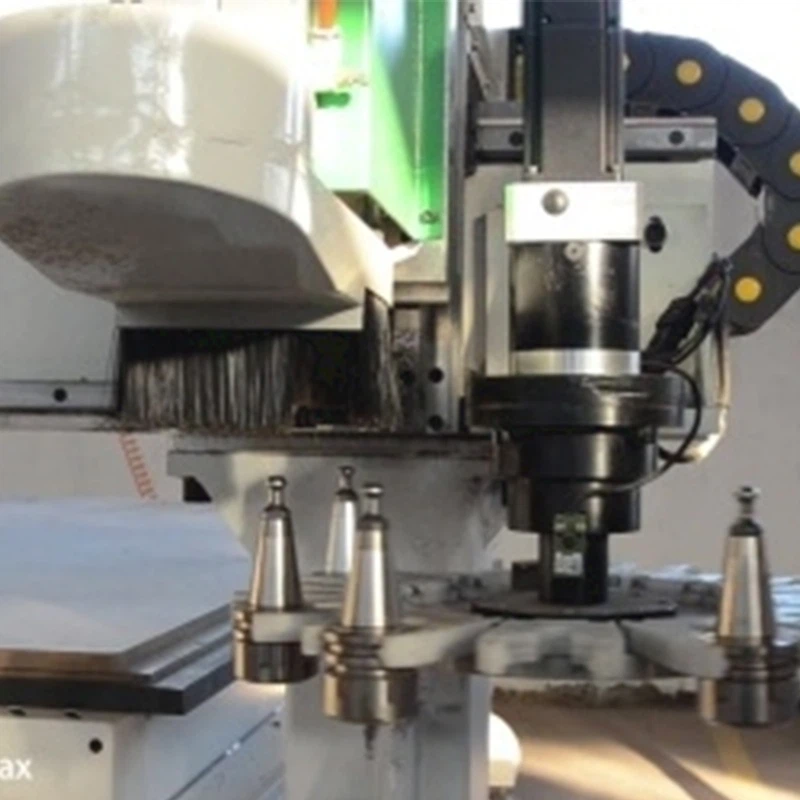
ervo Motor Operation and Dynamic Positioning for CNC Machine Tools
High Dynamic Positioning
Auric's electric servo motor series features instant acceleration and precise stopping capabilities. It is capable of handling complex multi-axis milling and cutting operations with zero motion deviation.
Robust Speed Regulation
The high-resolution closed-loop feedback system maintains constant speed amid fluctuating tool loads, ensuring superior workpiece surface finish and extending tool service life.
Robots, AGVs and Automated Pick-and-Place Applications
High-Speed Pick-and-Place
Our electric servo motors power high-speed Delta and SCARA robots, supporting thousands of fine-tuned cycles per hour without overheating during continuous operation.
AGVs
Space-saving low-voltage DC servo drives (24V/48V) deliver optimal battery efficiency, accurate differential steering and smooth path tracking for AGVs operating within compact warehouse layouts.

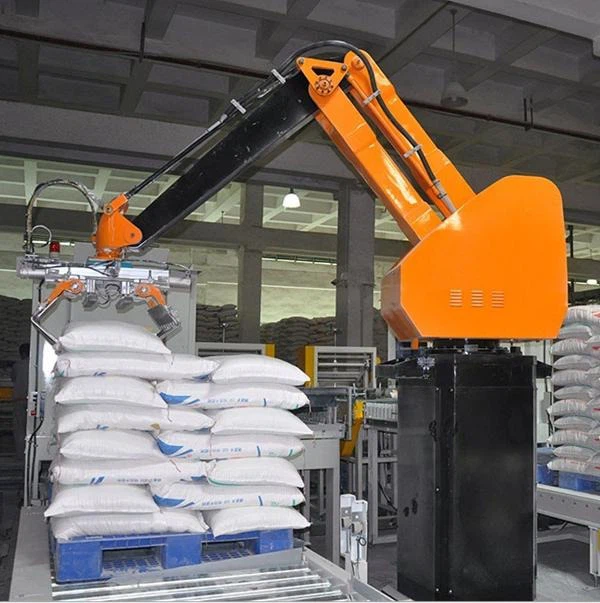
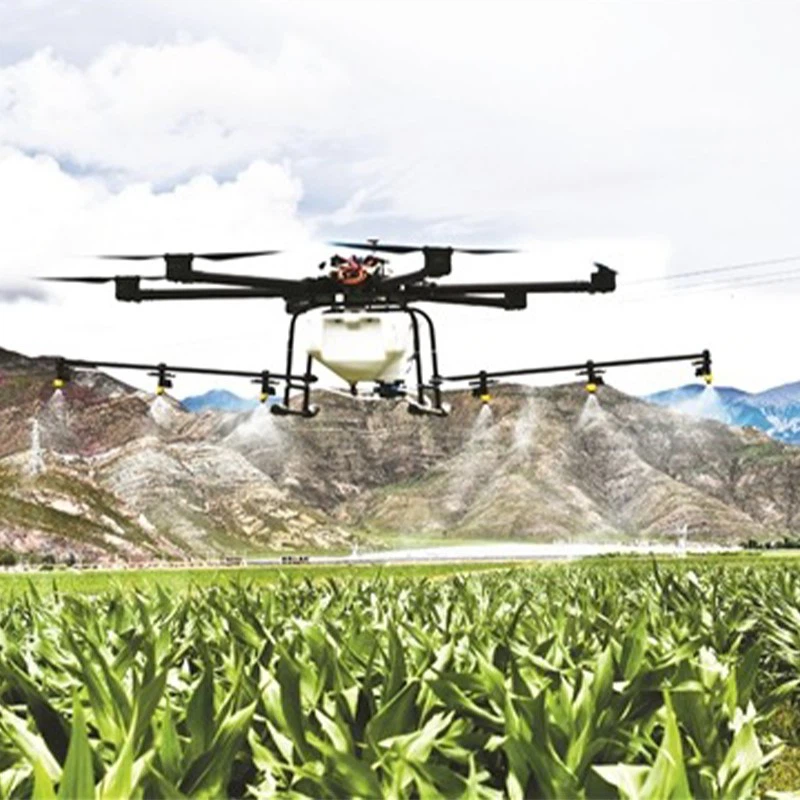
Packaging, Textile, and Automotive Manufacturing
| Industry | Primary Requirement | How Our Servo Solution Delivers |
|---|---|---|
| Packaging Machinery | High cycle rates & synchronization | Maintains tight tension control and synchronized sealing actions at high speeds. |
| Textile Manufacturing | Continuous operation & dust resistance | Delivers constant torque regulation with sealed housing to prevent lint and dust ingress. |
| Automotive Assembly | Peak reliability & high torque output | Pairs high torque density motors with a low backlash planetary gearbox for robotic welding and heavy stamping operations. |
Quality Assurance & Factory Testing Protocols
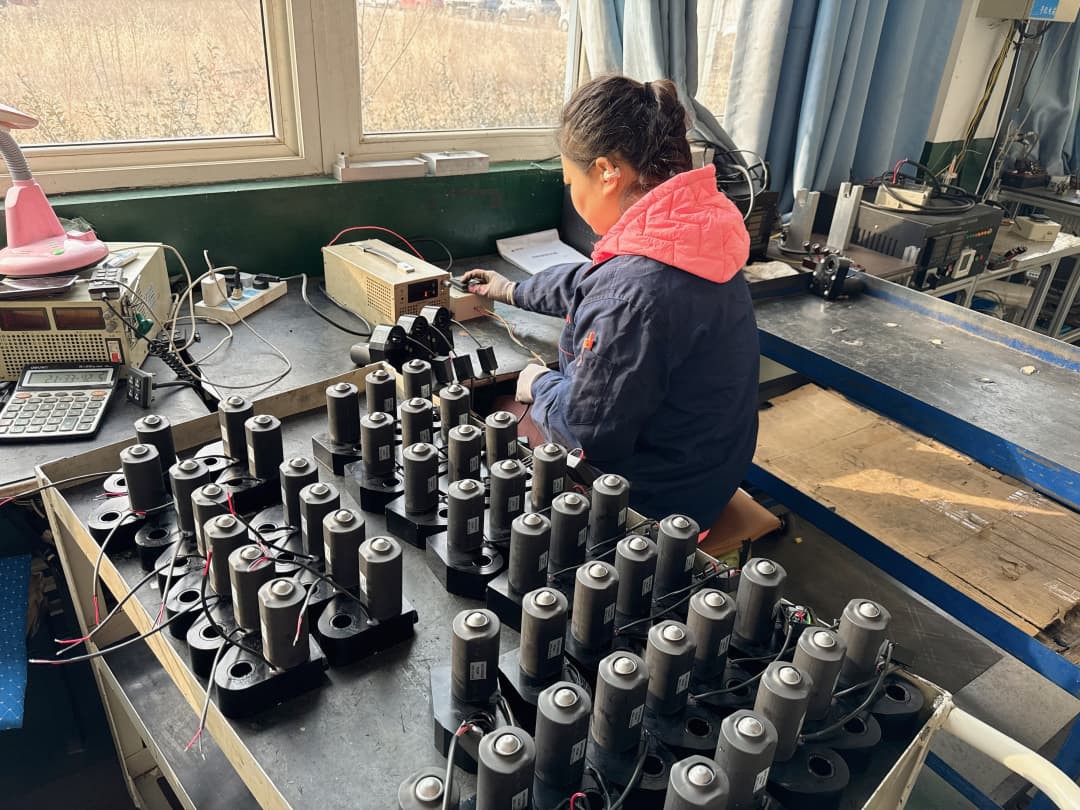
Adopting an in-house vertical manufacturing model, Auric oversees every production stage of electric servo motors. All processes including machining, winding and assembly are completed within our factory, enabling us to rigorously control mechanical tolerances down to the micron level. This guarantees every finished brushless servo motor perfectly matches your precision machinery.
Acoustic Noise & Vibration Analysis
We isolate and eliminate micro-deviations to guarantee smooth, silent operation in high-speed industrial motion control systems.
Continuous Temperature Rise Monitoring
Thermal sensors track heat dissipation profiles to verify that the permanent magnet synchronous motor (PMSM) core maintains high efficiency without degrading under continuous duty cycles.
Full-Spectrum Load Testing
We simulate harsh field conditions, pushing each servo motor and high-capacity model to its industrial peak stress levels to guarantee torque stability and absolute closed-loop reliability.
| Test Parameter | Standard Protocol | Target Benchmark |
|---|---|---|
| Mechanical Tolerance | In-house CMM Inspection | Micro-level alignment |
| Vibration Isolation | Dynamic Balancing Spectrum | Zero resonance peak |
| Thermal Endurance | Full-load continuous cycling | Within rated Class B/F limits |
| Peak Stress Load | Simulated stall and rapid reversal | 100% torque retention |
How to Submit an Engineered RFQ for Volume Orders
To secure the most accurate servo motor price and accelerate lead times, your Request for Quote (RFQ) should include specific operational parameters. Providing complete data ensures our engineering team matches your exact footprint.
Electrical Requirements
Define your voltage architecture, whether you require a low voltage DC servo (24V/48V) or standard industrial AC power grid compatibility.
01
Mechanical Blueprints
Supply the required mounting face dimensions, shaft configurations, and whether a secondary rotary actuator or planetary gearbox needs to be pre-integrated.
02
Application Environment
Note the exact operating conditions, duty cycles, and target dynamic positioning motor requirements to ensure long-term field reliability.
03
Target Volume
State your initial batch sizes and projected annual usage so we can apply appropriate tiered B2B wholesale pricing.
04

Frequently Asked Questions
What is the difference between a brushless servo motor and a standard stepper motor?
The main differences come down to feedback, speed, and torque delivery. A brushless servo motor operates as a closed-loop servo system, utilizing integrated encoders to constantly update the controller on its exact position. This prevents lost steps and allows for high-speed operation with high torque density. Standard stepper motors typically run open-loop; they are excellent for holding positions at low speeds but lose torque rapidly as RPMs rise and can miscount steps under sudden load changes.
| Feature | Brushless Servo Motor | Standard Stepper Motor |
|---|---|---|
| Control Loop | Closed-loop (Continuous feedback) | Open-loop (No feedback default) |
| High-Speed Torque | Maintains high torque at high RPM | Drops off significantly at high RPM |
| Accuracy | Extremely high; corrects errors instantly | Good at low speed; prone to lost steps under heavy load |
| Cost & Complexity | Higher initial investment | Lower cost; simpler setup |
Can I use a 24V or 48V low voltage DC servo for heavy industrial machining?
Generally, no. Heavy industrial machining-such as large-scale CNC machine servo motor operations-requires high continuous power grids (typically 200V to 480V AC) to cut through tough materials like steel or titanium without stalling. A low voltage DC servo (24V/48V) is optimized for high dynamic positioning motor demands in compact spaces. We deploy these low voltage units primarily in AGVs, mobile robotics assembly lines, and medical devices where battery power or compact safety voltages are mandatory.
How do I choose the right gear ratio and low backlash planetary gearbox for my application?
Choosing the right pairing requires matching your motor's inertia to the load inertia while meeting your target output speed and torque.
Calculate the Speed Ratio: Divide the rated RPM of your electric servo motor by your required output mechanical speed.
Match Inertia: Ensure the reflected load inertia matches your motor's rotor inertia limits (ideally a ratio under 10:1 for high dynamic positioning).
Select Backlash Limits: For precision applications like a CNC machine servo motor or robotic rotary actuator, choose a low backlash planetary gearbox with less than 3–5 arc-minutes of play to maintain system accuracy.
Hot Tags: electric servo motor, China electric servo motor manufacturers, suppliers, factory, 220V servo motor, continuous servo motor, dc servomotor, high precision servo motor, programmable servo motor, sew servomotor